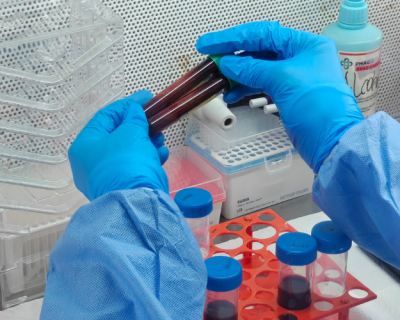
The Unit of Clinical Immunology has developed expertise in a portfolio of patient immunosurveillance methodologies, with single-cell and spatially-resolved resolutions, that are the focus of its educational and capacity-sharing programmes in many partner countries. Its research covers several impact pathways:
- Understanding the underlying drivers of chronic visceral leishmaniasis disease in patients co-infected with HIV, and developing predictive biomarkers and immunotherapeutic approaches to break the cycle of recurrent disease relapses
- Defining a protective immune response across the spectrum of human leishmaniasis, and improving understanding of antigen presentation and recognition, to guide antigen discovery and vaccine development
- Developing immunodiagnostic tools to support elimination efforts of visceral leishmaniasis
- Prioritising skin-resident immunity as a key vaccine outcome in the development of vaccines against arthropod-borne infections, and finding ways to improve and assess the level of skin imprinting by vaccination
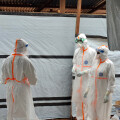
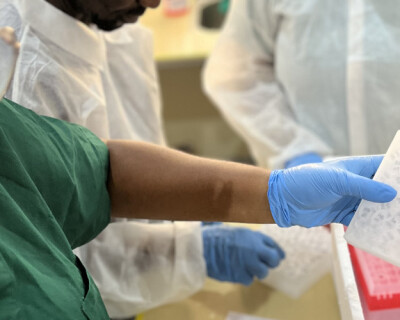
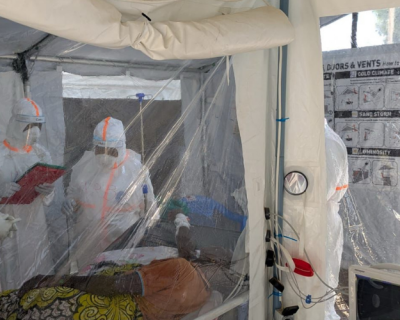
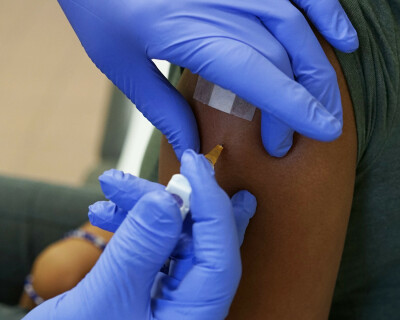
- Performing comparative trials of booster vaccinations for Ebola virus disease, and of the duration of protection, to contribute to urgently needed re-vaccination recommendations
- Studying the difference between natural and vaccine-induced immune responses to guide patient management and vaccination policies
Profielen