Disease situations of TB and HIV
Abstract
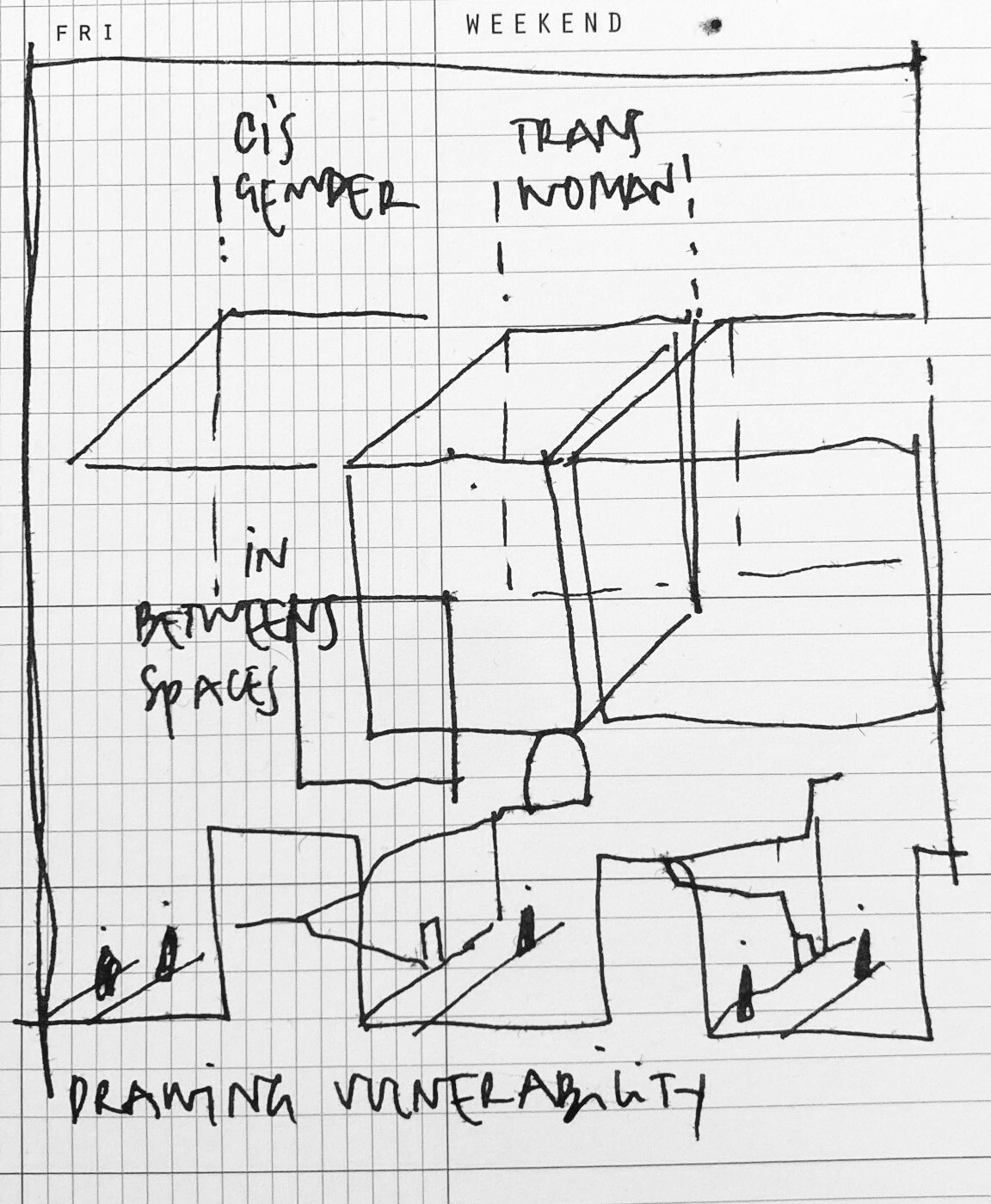
Trans and cis women sex workers in Lima face heightened vulnerabilities to developing HIV and tuberculosis (TB) due to intersecting realities that limit their access to healthcare and increase their exposure to both infections. This project aims to explore spatial and social vulnerabilities linked to this exposure through the lens of gender.
Using the "disease situation" approach—an analytical framework that explores health outcomes as the result of dynamic interactions between social and material realities in specific contexts—we will examine how power relations mediated by gender interact with social stratifiers such as ethnicity, age, immigration status, and occupation, as well as spatial arrangements including urban fabric, housing, and social space, to influence health outcomes and access to services. We hypothesize that the urban fabric of Lima's neighborhoods, combined with these social stratifiers, shapes exposure to health risks, as well as specific vulnerabilities and responses in these populations.
Critical gaps persist in understanding how these diseases intersect with gender, social stratifiers, and spatial conditions in Lima's high-risk settings. This interdisciplinary study will pursue three primary objectives:
To explore participants' exposure to health risks and access to services
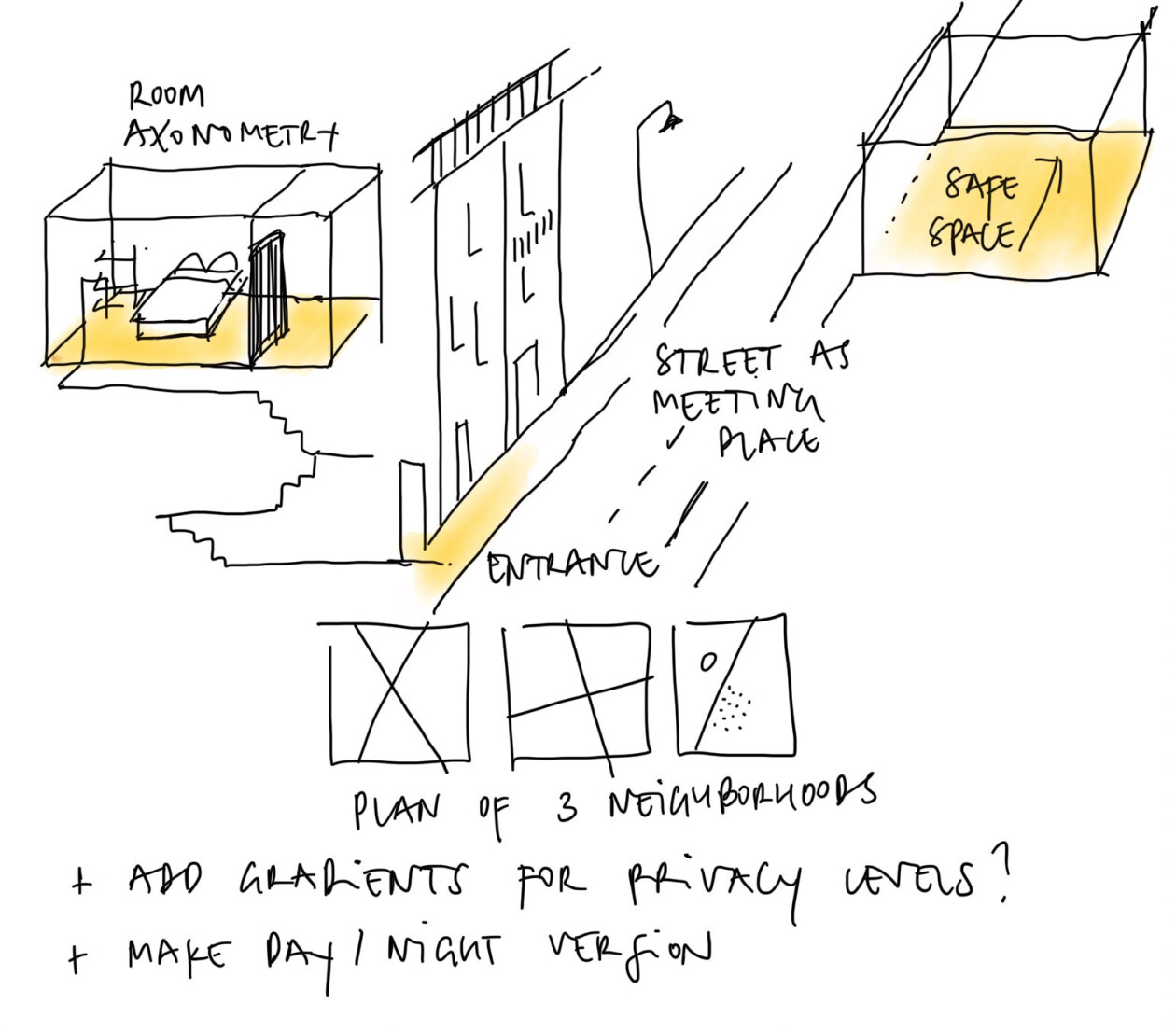
To map urban configurations in neighborhoods where sex workers are based
To establish a consultation workshop with people with lived experience, policymakers, and stakeholders to promote context-sensitive interventions for TB/HIV prevention in this key population
The study will be interdisciplinary, integrating social sciences and urbanism through ethnographic research methods, including in-depth interviews and participant observation, as well as spatial analysis techniques, including mapping, drawings, and environmental assessments.
Data collection will involve purposive and theoretical sampling and will focus on trans and cis women aged 18 years and older engaged in sex work in Lima Centro, as well as key informants. Sampling decisions will also involve selecting areas within Lima Centro to be characterized, focusing on locations where sex work is arranged and on participants' living environments.
The study aims to contribute to a deeper understanding of the intersection of gender and urban conditions in shaping the health vulnerabilities of sex workers and to inform context-sensitive interventions.
Products
No products yet.
Team
Karla Solari
Alfonso Silva-Santisteban
Amaya Perez-Brumer
Center for Interdisciplinary Research Center on Sexuality, AIDS, and Society, Universidad Peruana Cayetano Heredia (Peru)
Department of Public Health, Institute of Tropical Medicine (Belgium)
Dalla Lana School of Public Health, University of Toronto (Canada)