Datahub
Initiatives
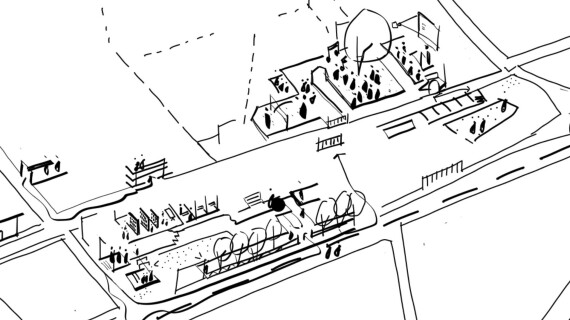
Mapping spatial data
Explore how public health researchers conceptualize and operationalize space

Disease situations of TB and HIV
Study disease situations of tuberculosis (TB) and HIV among trans and cis women sex workers in downtown Lima, Peru
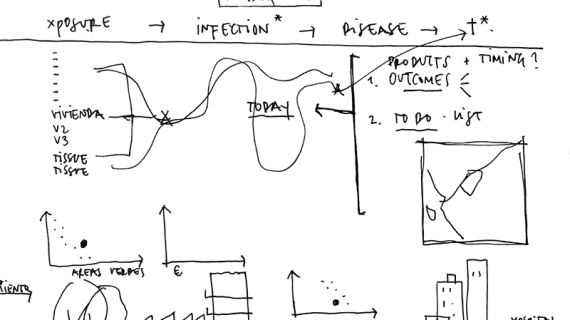
Interdisciplinarity
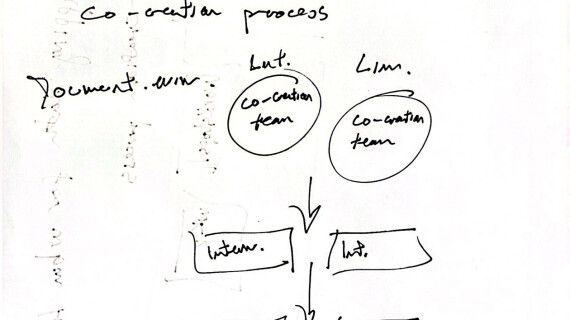
Develop and share methods that facilitate interdisciplinary research
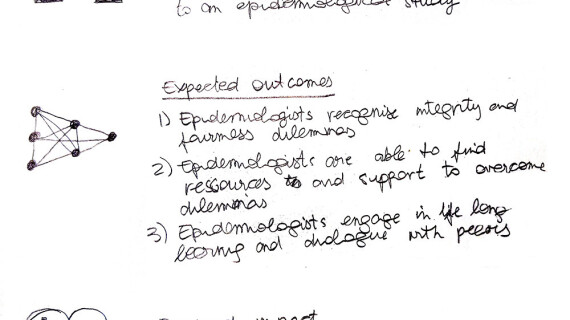
BRIDGE mentorship initiative
Promote research integrity and fairness in global health epidemiological studies

Data on racialised groups
Conduct a literature review (systematic search and critical analysis) about health research and data on racialised groups
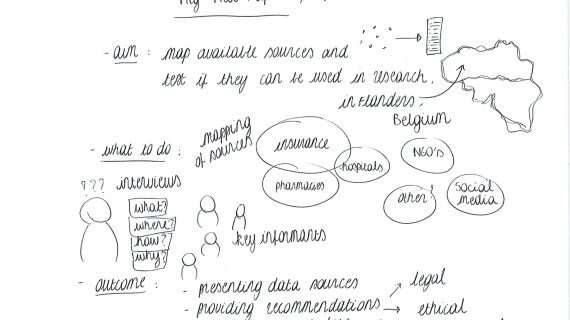
Mapping data on migrants and medicine
Map the available sources of datasets about access to and use of medicines among migrant populations
Mapping data for urban health
Explore how data can be obtained, combined, interpreted and presented to inform decision-making about wicked urban health problems

Scales
The choice of spatial scale in epidemiological research studies about tuberculosis in cities - A scoping review

Statistics experiences
Write vignettes to share statistics experiences that do not make it into classical research papers
Data management for programs
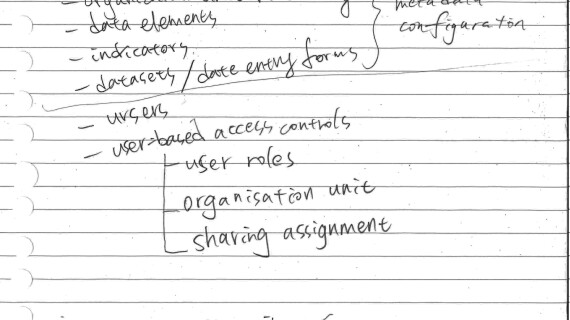
Establish a robust and efficient DHIS2 platform specifically tailored to optimize the quality of leprosy case management

Social network analysis
Collect primary data for quantitative social network analysis using digital tools

Quantitative data
Make quantitative research data available for secondary use

Software code
Make R code available for estimations of disease frequency using Bayesian hierarchical spatial approaches

AI in qualitative research
Explore (mis)use of AI in qualitative research