BAZOOKA
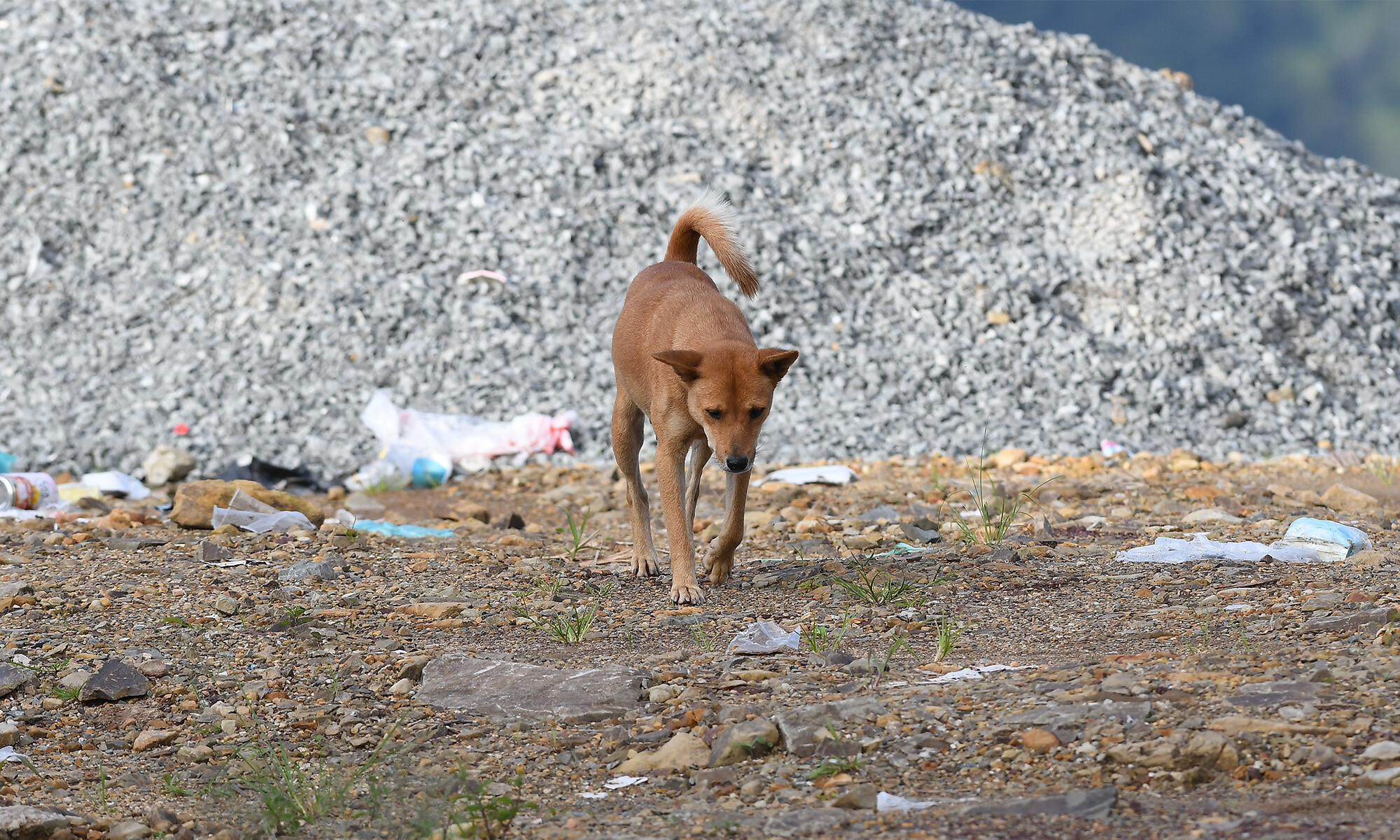
The Institute of Tropical Medicine (ITM) in Antwerp is conducting a new clinical trial to evaluate how well different rabies vaccination schedules protect over time. The BAZOOKA trial investigates whether a booster vaccine can still elicit a quick and effective immune response five years after the initial vaccination.
For whom: Healthy volunteers between 18 and 60 years old who received a rabies vaccine at least 5 years ago
Start: Summer 2026
Duration: 2 weeks
Study visits: 3 visits to the study center
Intervention: Marketed rabies vaccin
Compensation: Fixed compensation per study visit
Purpose of research
Rabies is a deadly viral disease, but preventive rabies vaccination can be lifesaving. Vaccinated travellers who are bitten after primary vaccination only need quick booster shots and can avoid costly rabies antibody treatment.
In recent years, shorter and more cost-effective primary vaccination schedules have been introduced. This study will assess whether these schedules still offer strong protection when boosted with a single dose after five or more years.
Who can participate?
We are looking for healthy adults aged 18–60 who received one of the following rabies vaccination schedules at least five years ago:
Two intramuscular (into the muscle) doses administered 7 to 56 days apart
Two intradermal (under the skin) doses of two injections each, administered 7 to 56 days apart
One intradermal (under the skin) dose consisting of two injections administered on the same day
Conduct of the study
Participants will attend three short visits over a period of two weeks. During the first visit (Day 0), a blood sample will be collected and one booster dose of rabies vaccine will be administered intramuscularly (into the upper arm). During the second and third visits (Day 7 and Day 14), only a blood sample will be collected to measure the antibody level.
Potential risks and inconveniences
Being involved in this study implies that you will have a small amount of blood drawn at three timepoints. The total volume of blood collected poses no risk to your health. The blood draw itself may cause some temporary discomfort and possibly bruising.
The vaccine may contain ingredients that trigger an allergic reaction. If you reacted poorly after vaccination before, participation is not recommended. The study doctor will discuss this with you during the first study visit. Apart from the usual temporary side effects of vaccines, no additional risks or disadvantages are expected in this study.
Reimbursement
To compensate you for your time, any expenses you incur to participate in the study, and any other inconveniences you may experience, you will receive a fixed fee per study visit.
If you decide to participate, we strongly encourage you to complete the entire study. However, you are free to withdraw from the study at any time.
Where is the study conducted?
Antwerp: Clinical Trial Site, ITM
Brussels:
Queen Astrid Military Hospital (QAMH)
Travel Clinic, UZ Brussel
Travel Clinic, CU Saint-Luc
Ghent: CEVAC, UZ Gent
Liège: Travel Clinic, CHU de Liège
This clinical trial has been approved by the Belgian Federal Agency for Medicines and Health Products (FAMHP) and the involved Ethics Committees.
Questions?
Contact the ITM team at studies@itg.be.
Interested?
Use the link below to review the main participation criteria. If you think you are eligible, you can register immediately. Please note that registration does not automatically mean you will be selected to participate in the study, as selection also depends on other factors. We will contact you in any case.
Share this trial on