GeKoSkimm Unvaccinated
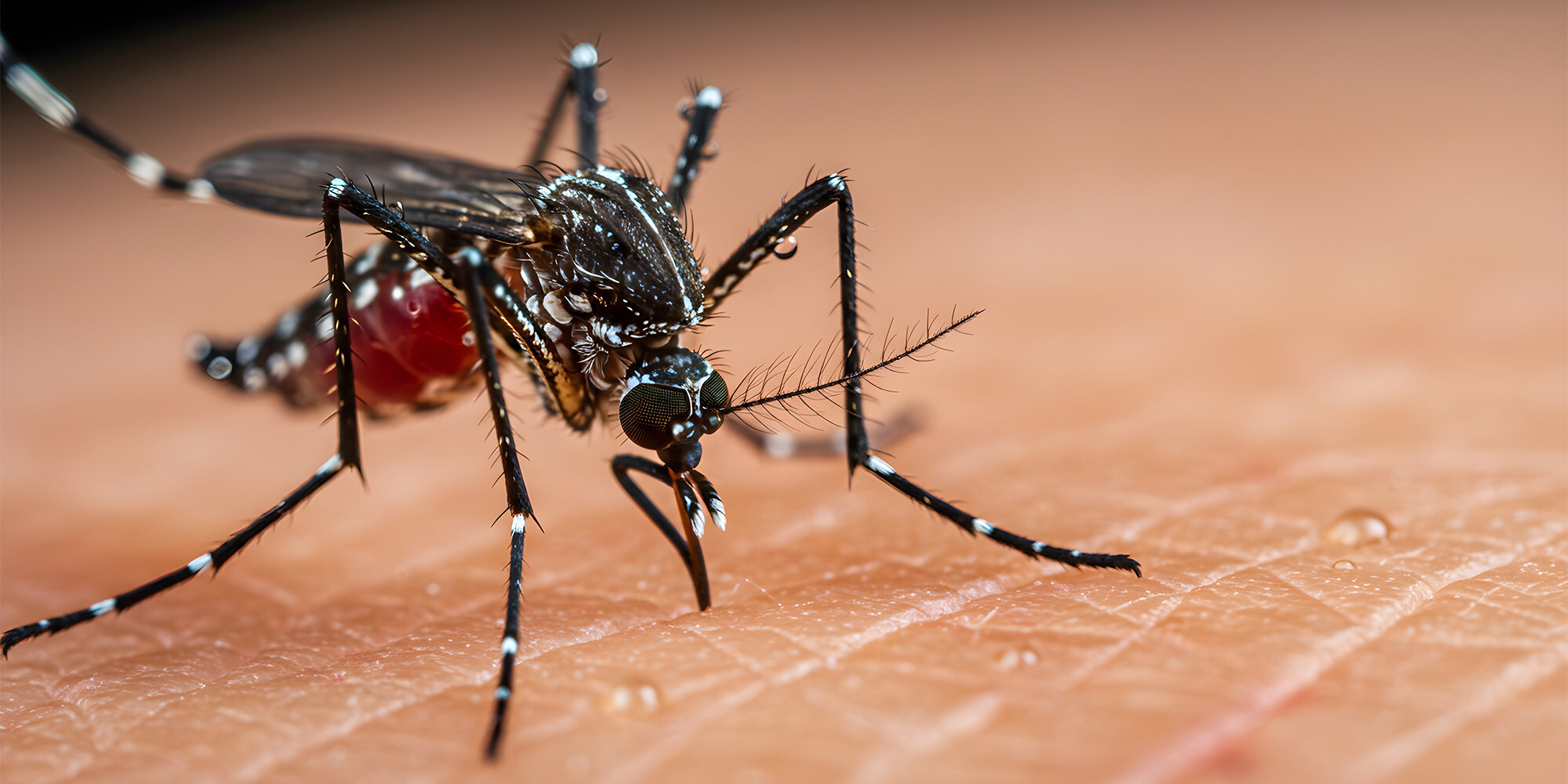
The Clinical Trial Site of the Institute of Tropical Medicine is looking for volunteers for the GeKoSkimm Unvaccinated study. We are looking for participants for a control group, which means you will not receive a yellow fever vaccination, but your participation would help us compare immune responses between vaccinated and non-vaccinated persons.
This study is part of the GekoSkimm main study, which looks at how the immune system in the skin responds to different ways of vaccinating against yellow fever.
For whom: Healthy volunteers between 18 and 50 years old who never received a yellow fever vaccination before
Start: Summer 2026
Duration: 1 month
Study visits: 2 visits to the study centre
Intervention: This is a study with two skin punch biopsies. No vaccine will be administered.
Compensation: A total of €150 for both study visits
Purpose of the study
The yellow fever virus is mainly transferred through the bite of an infected mosquito. Symptoms manifest with a spectrum of severity, ranging from mild flu-like symptoms to severe hepatitis and hemorrhagic fever, often leading to death.
The skin, our largest organ, is the primary barrier after a bite accident. However, little to no research is done on the skin-specific immune response after vaccination, as conventionally we look at antibodies in the blood. However, this is very important information for vaccine development against bite infections transmitted via mosquitoes, but also flies, ticks, or even mammals.
Therefore, in this study, we will assess how 'normal' skin responds and compare immune responses between vaccinated and non-vaccinated persons with the yellow fever vaccine in blood and skin.
Who can participate?
We are looking for 40 healthy participants between 18 and 50 years old who never received a vaccine against yellow fever before.
Conduct of the study
At the first visit, the study will be fully explained to you and the site personnel will determine if you meet all the criteria for participation. Afterwards, a blood sample will be collected.
A second visit will be planned 7 to 14 days after. To measure the immunity in the skin, two small samples of your skin (4 mm in diameter) will be taken from the upper arm at this visit. This is a painless and routinely performed procedure that the study doctor will explain to you during your first study visit. All the materials to expedite the small wound healing and, as much as possible, avoid scar formation, will be given to you.
To investigate less invasive tools in future studies, we will also study a microsampling device during the second study visit. During this procedure, a 0.5 mm microbiopsy will be taken (simply mimicking the bite of a mosquito).
Potential risks and inconveniences
Being involved in this study implies that you will have a small amount of blood drawn at one timepoint. The total volume of blood drawn represents no risk to your health. Only the blood draw itself may cause some discomfort and possibly a bruise.
The skin biopsies may cause some minor discomfort but are generally well tolerated and any discomfort usually subsides quickly. The risks associated with these biopsies are minimal and can include minor bleeding, bruising, scarring or infection.
Reimbursement
To compensate for your time, any expenses you must incur to participate in the study and possible other inconveniences, you will receive 50 euros on the first visit and an additional 100 euros for the mandatory skin sample on the second visit. Reimbursement will be done by means of bank transfer.
If you commit to participate in the study, we strongly urge you to complete the whole study. However, know that you are free to end your participation at any time.
Team
Principal Investigator: Prof Dr Patrick Soentjens (MD, PhD)
Coordinating Investigator: Prof Dr Wim Adriaensen (PhD)
Questions?
Contact us via studies@itg.be.
Registration closed
We are no longer accepting participants for this trial, but there may be other ongoing trials for which you can register.
Share this trial on