Malaria
Background
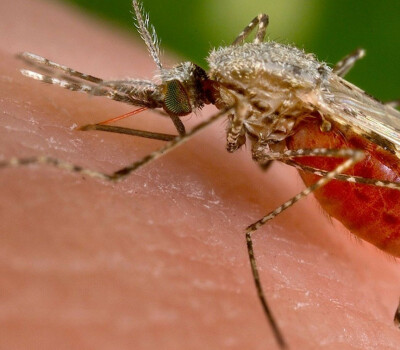
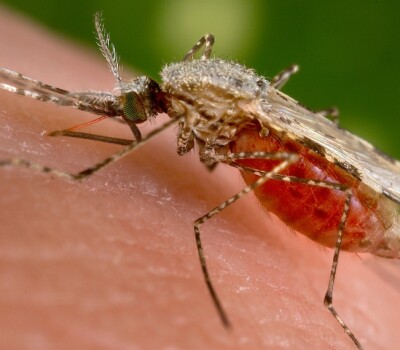
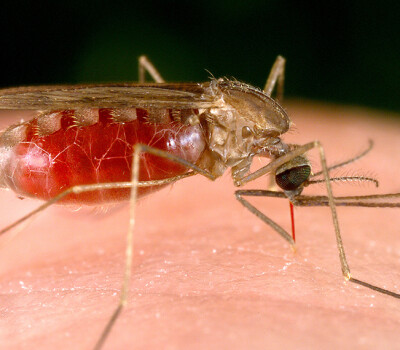
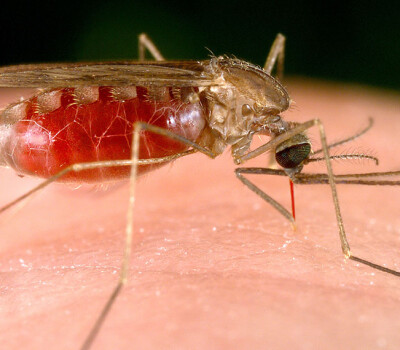
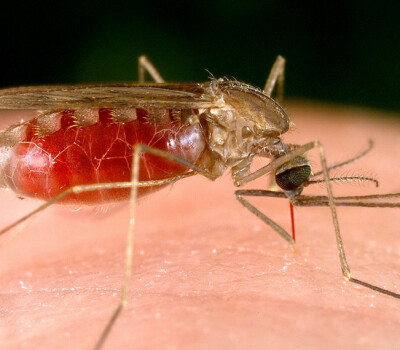
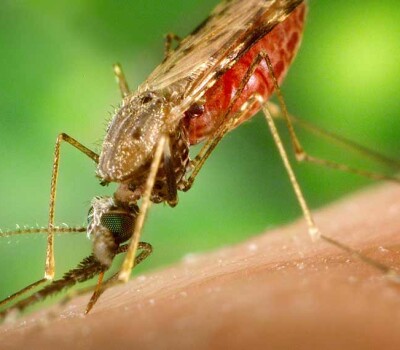
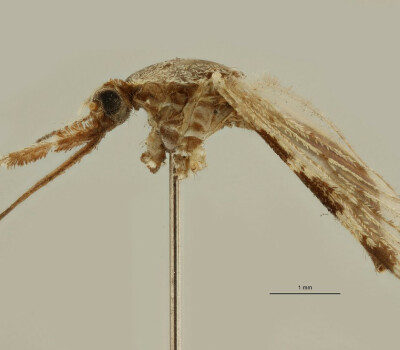
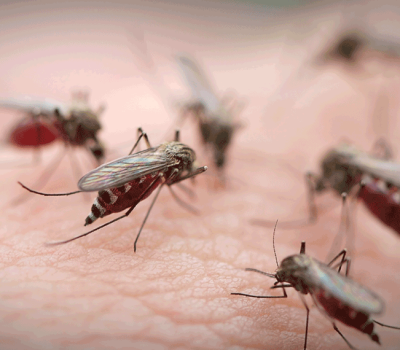
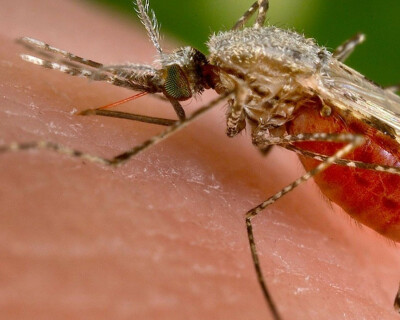
Malaria is a life-threatening infectious disease caused by parasites transmitted to humans through the bite of infected Anopheles mosquitoes. Infection typically leads to chills, fever, muscle aches and headaches. If left untreated, however, malaria can become fatal. Each year, the disease causes more than 400,000 deaths worldwide. Effective preventive and therapeutic measures are essential to reduce this high number.
Our research
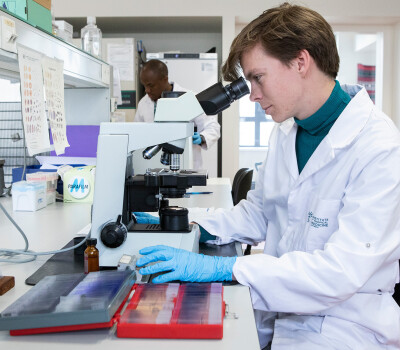
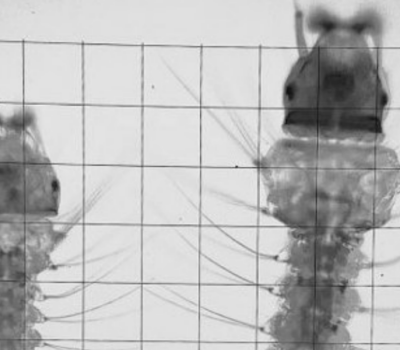
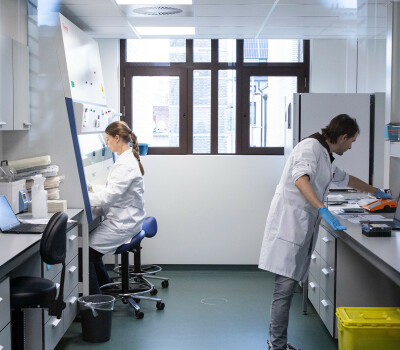
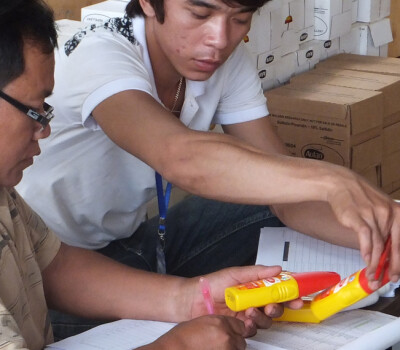
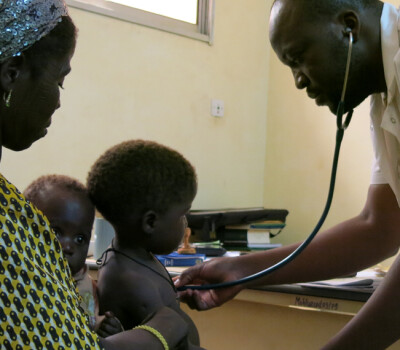
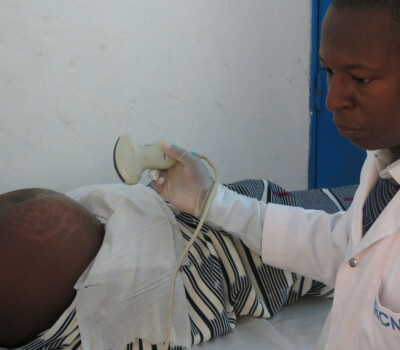
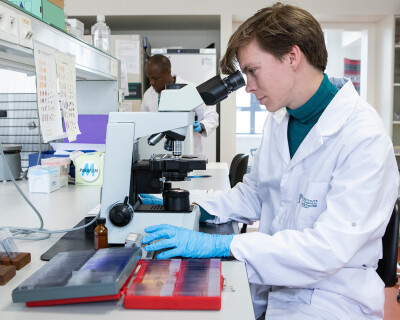
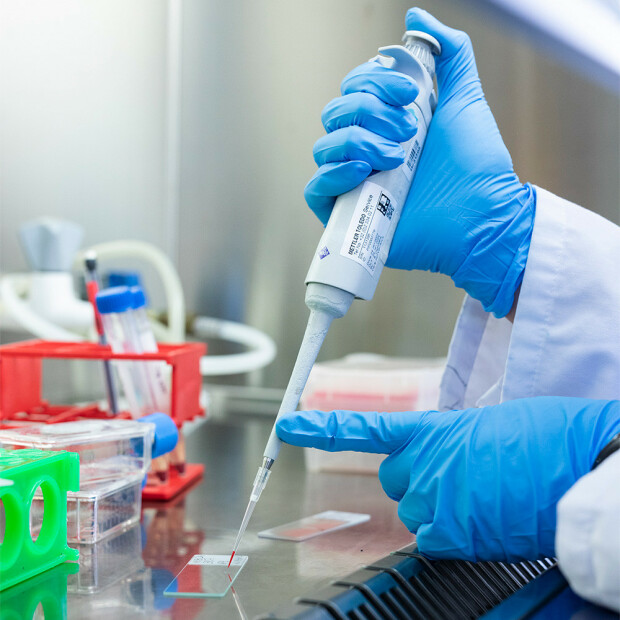
Our researchers focus on multidisciplinary and innovative research to combat malaria. They study both malaria parasites and mosquitoes in the laboratory and in their natural environment. In addition, they work to improve the effectiveness of disease control by developing new rapid diagnostic tests and evaluating treatment regimens. They also test novel mosquito repellents.
Our experimental immunology laboratory is the only one of its kind in Belgium. It focuses on the innate immunity of malaria vectors and the development of novel mosquito-based genetic technologies for malaria control.
More information
Last updated: 18 December 2025
Join the BE-NE-LUX Malaria Centre!
Are you studying malaria parasites or vectors, the impact of malaria on patients or populations, or studying malaria in another way? Join the BE-NE-LUX Malaria Centre!
We organise annual meetings where you and your partners can present your research and exchange ideas on collaborations and future (joint) activities.
News
All news-
 ITM draws on its experience with rare, locally acquired malaria cases.
 -
Rising resistance complicates treatment.
-
Malaria remains number one, but dengue rises sharply
-
Press releases
Climate change could reprogram malaria mosquitoes
 First-of-its-kind, realistic climate simulations reveal how warming and humidity changes rewire Anopheles stephensi biology and immunity.
 -
Accelerating the development of new medical interventions for poverty-related infectious diseases
-
Our newly opened clinical and experimental immunology laboratories will help us enhance research and education in both human and vector immunology.
-
Press releases
ITM researchers prove anti-malarial drug to be also effective against another parasitic disease
Study published in Nature Medicine highlights promising treatment alternative for schistosomiasis -
A portrait of Maria Luísa Simões, ITM’s new Professor of Experimental Immunology
-
Articles
A new era in malaria prevention?
Interview with ITM PhD alumnus and CRUN-researcher Dr H Magloire Natama -
A long read by our journalist-in-residence, Beth Karuana Mwai
-
Sunday 25 April is World Malaria Day. The malaria mosquito Anopheles stephensi, originally found in South Asian cities, is making its way to cities in the Horn of Africa.
-
This is based on the findings of 100,000 sick travellers evaluated in 25 European specialist clinics between 1998 and 2018.
-
Articles
Kampenhout malaria research
ITM uses different scientific disciplines to carry out the investigation. -
This supports their hypothesis that the couple was infected by a malaria-carrying mosquito that arrived in Belgium via an airport.
-
Articles
Malaria cases on the rise in Belgium
In 2018, ITM recorded no less than 351 Belgians who contracted malaria while journeying abroad. The number of cases in Belgium has been creeping up for several years. -
New study is first to detect changes in the immune responses of newborns exposed to malaria in the womb
-
ITM warns not to neglect preventive measures against malaria.
-
Recently retired Prof. Marc Coosemans writes about malaria prevention on World Malaria Day (25 April)
-
Efficient prevention of malaria in pregnancy may provide additional protection against malaria during the first year of life
-
Study among ethnic minorities offers reference points for targeted interventions to eliminate malaria
-
Scientists have recently warned about a very resistant type of malaria that is spreading quickly in Southeast Asia. ITM travel advice remains unchanged.
-
25 April is World Malaria Day.
-
25 April is World Malaria Day.
-
Articles
Calculating the human factor
25 April is World Malaria Day. -
Impact stories
Multidisciplinary contribution to the fight against malaria
Malaria is the most infamous tropical disease, which still claims more than half a million victims every year. The mosquito that transmits the parasitic disease is therefore the deadliest animal on Earth. -
The malaria mosquito is getting used to insecticides and therefore increasingly bites during the day and outside the home
-
A four-year study shows four available antimalarial treatments are safe to use in pregnancy, providing sound scientific evidence on their use
-
Articles
Skin-friendly vacation tips