The heat is here to stay and we need to make room for it

Belgium is reeling under a heatwave. Rooftops are creaking, car hoods are crackling and here and there the asphalt peels up from the road. Sales of air conditioning units are soaring, and weather forecasters, authorities and employers are issuing guidelines on how best to cope with heat stress. Why is it that, time and again, we react as if heat were a temporary state of emergency?
When we talk about heat, it is linked to words such as stress, wave, alarm and extreme. That language betrays the fact that heat takes us by surprise, as something that is still uncharted territory for us. That is hardly surprising. Other weather phenomena – rain and wind – have shaped our traditions, proverbs and sayings over the centuries. And our urban and architectural culture.
In some tropical countries, on hot days like these, they say that ‘the sun has invited her family over’. This poetic expression points to a different meteorological culture and a different perspective on living with heat. Therein also lies the challenge for Belgium. Due to climate change, heatwaves will occur more frequently. This calls for a rethinking of our language, traditions and architectural culture.
"Even in a small country like Belgium, the heat divides us geographically and socio-economically."
Stefanie Dens
Architectural engineer and urban designer
The fact that heat is not yet part of this is evident from the instructions: close the curtains, buy a fan, wear cool clothing and work from home. These recommendations focus heavily on individual responsibility. But not everyone has a spacious and well-insulated home in which to work from home. Not everyone has air conditioning or a fan. Heat affects us all, but not equally.
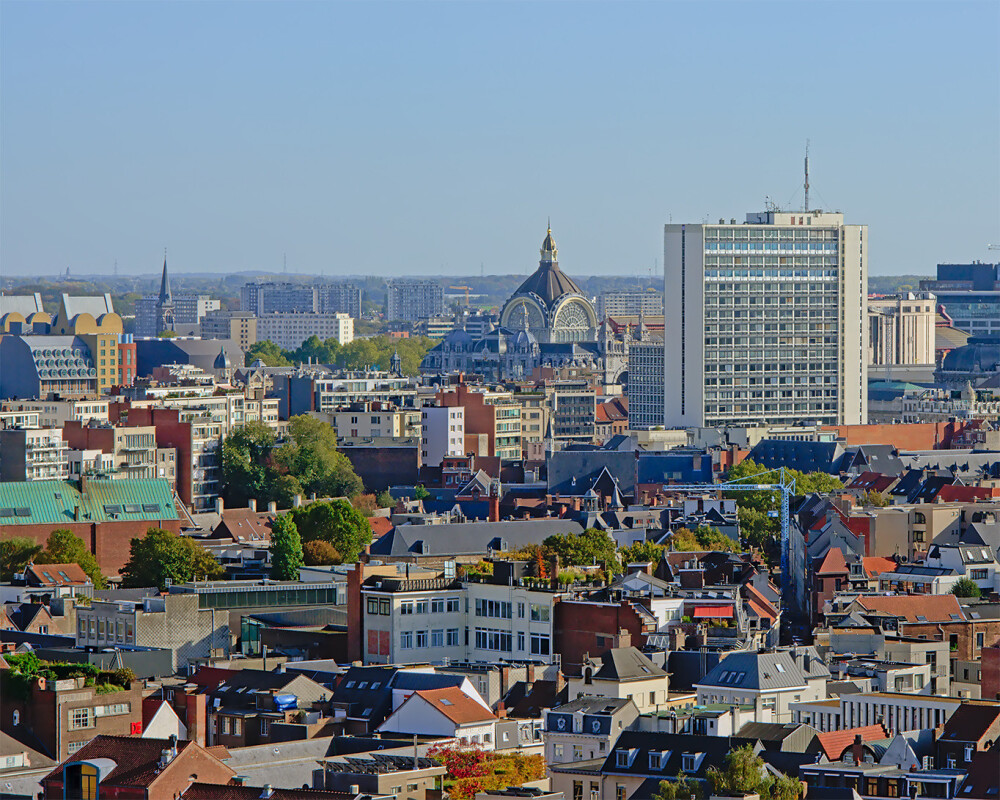
In the sandy soils of the Campine (in Dutch: Kempen) region, it will soon be a few degrees warmer than in the rest of the country. Those who live by the sea know the benefit of the sea breeze. In the cities, the heat island effect comes into play, and the population has to endure a few extra degrees.
Even in a small country like Belgium, the heat divides us geographically and socio-economically. That is why we should focus not so much on how each individual can protect themselves from the heat, but on how we can do so together. We need to seek a collective heat adaptation strategy.
"Our architecture, designed with rain in mind, is increasingly at odds with a climate of heat."
Stefanie Dens
Architectural engineer and urban designer
Our urban culture of living and working is built on the familiar weather patterns of our region. We invest primarily in two spaces: an indoor space to work and an indoor space to live. But heat demands something different.
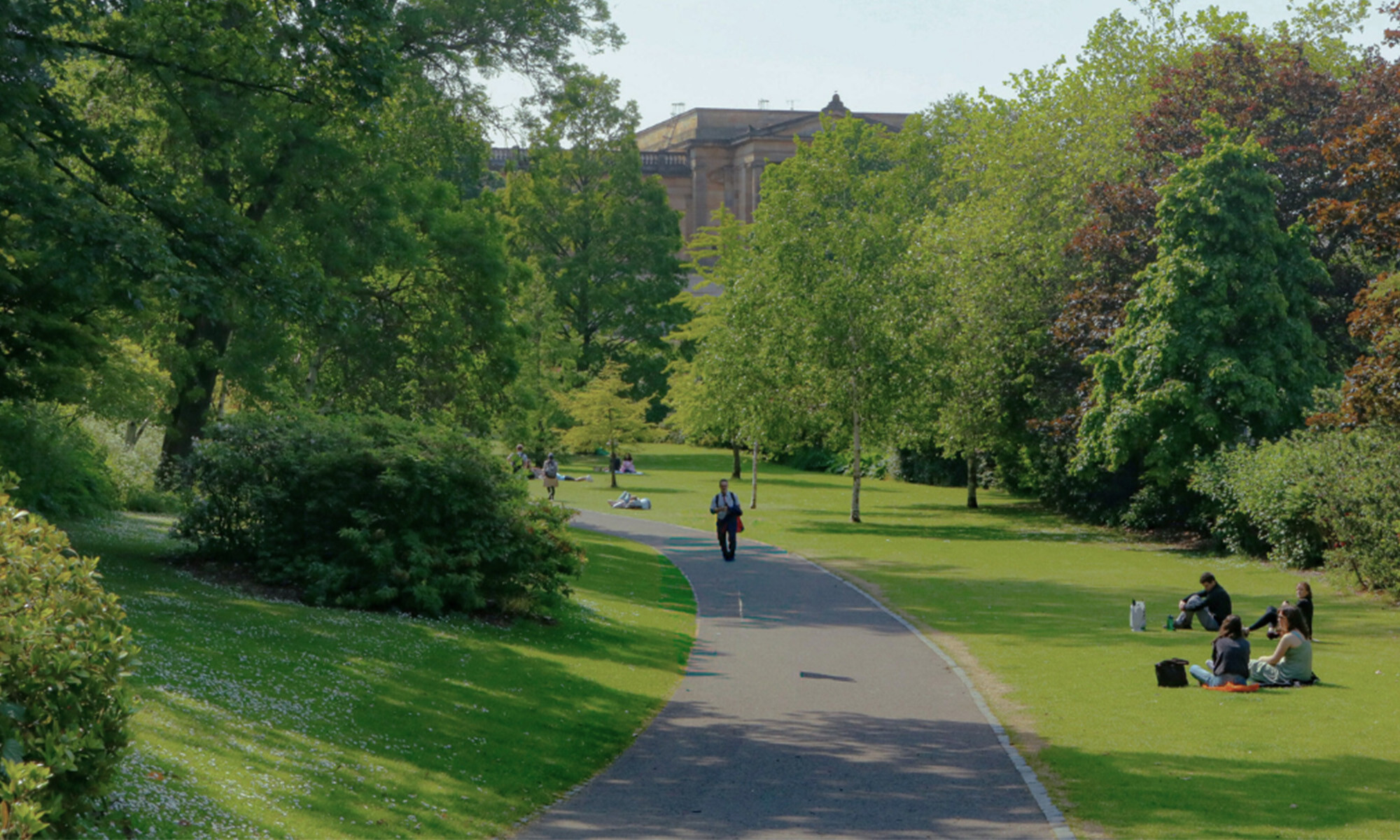
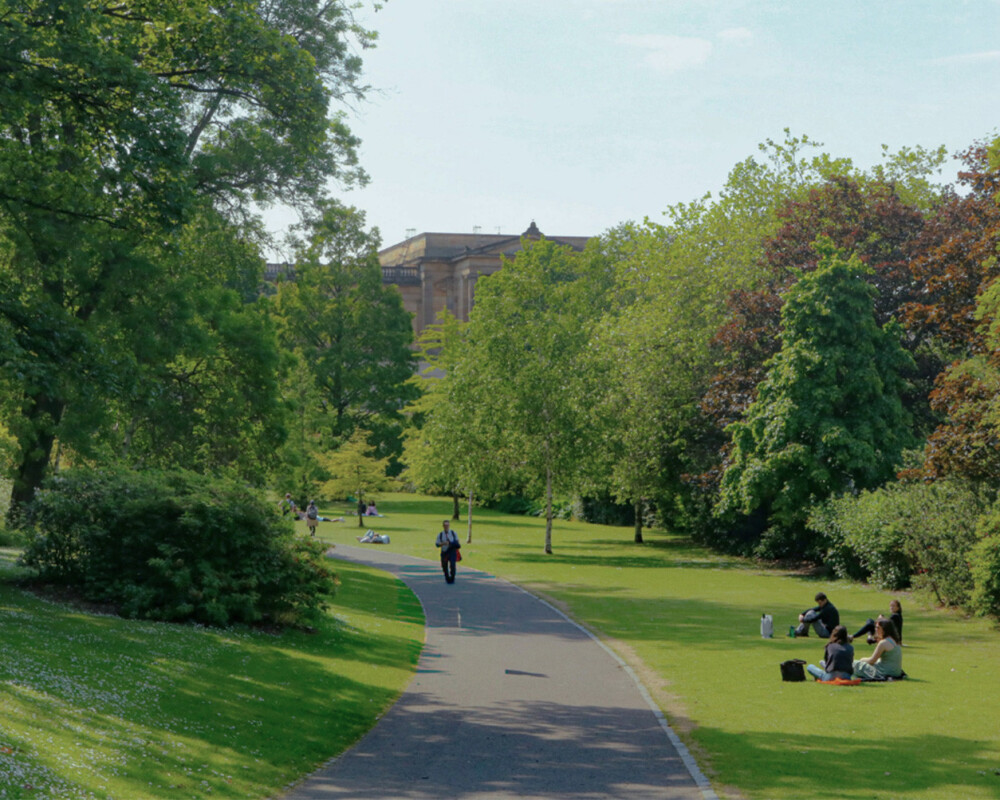
Alongside a life indoors, heat also calls for a life outdoors. And that is where the problem lies. The limited public spaces and squares we have created to drain rainwater quickly radiate heat on hot days, well into the night. The small Belgian trees planted there often provide little shade. Our urban architecture, designed with rain in mind, is increasingly at odds with a climate of heat.
If we look at the culture of living and working in Southern Europe or in countries such as Ethiopia or Peru, we see a great deal of ‘third space’. In these public spaces, large squares are bordered by shaded arcades, mature trees provide cool respite along wide avenues, and churches stand open day and night, like cathedrals of coolness. We lack those places where coolness is the norm and where you can linger on hot days without having to consume anything. Public space is shrinking, and solutions to heat stress are becoming increasingly individualised.
Heat deserves a cultural approach similar to that given to wind and rain, which we have incorporated into our language, customs and cities over the centuries. But the longer we continue to treat heat as a temporary emergency, the longer we will keep seeking individual solutions to a phenomenon that deserves a collective response. The heat is here to stay, and we must make room for it.
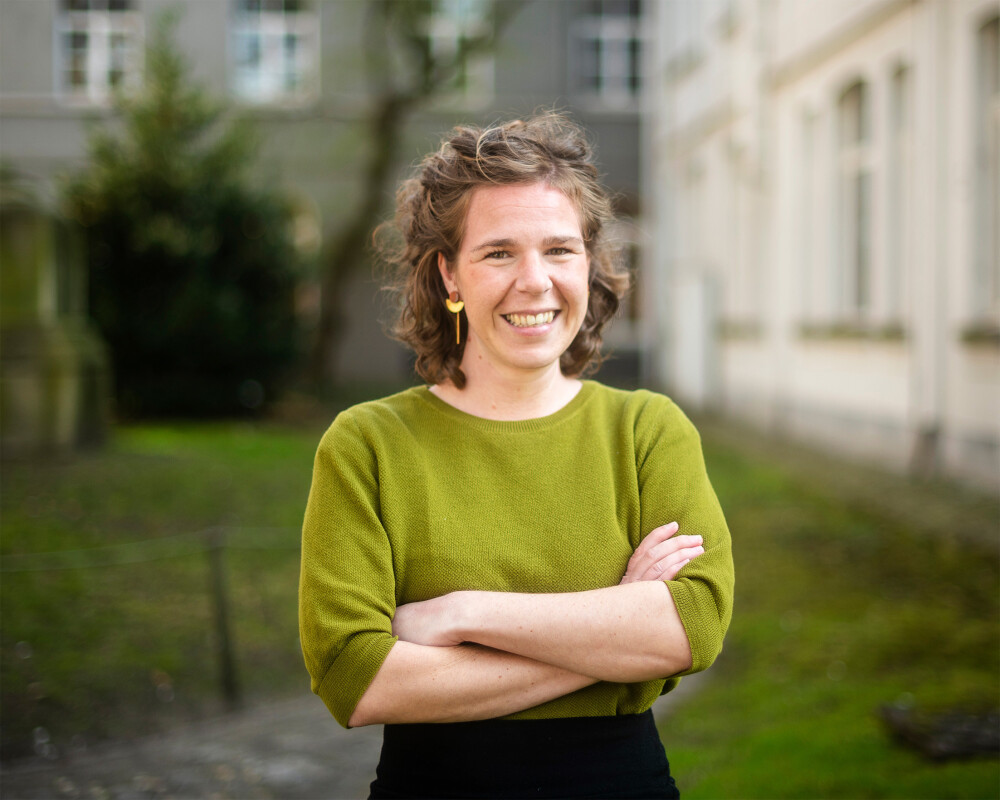
Stefanie Dens is an architectural engineer and urban designer, and she conducts research at the Datahub at the Institute of Tropical Medicine. This opinion piece was published in De Tijd (in Dutch) on 19 June 2026.
Spread the word! Share this story on
More stories
-
 - Opinion pieces
The global health predicament after the US funding cuts
Is global health security worth 0.01% of our GDP?Read more -
- Opinion pieces
Back on the right(s) track? Time to take HIV prevention seriously again
Opinion piece following World AIDS Day on 1 December 2024Read more -
- Opinion pieces
The hidden crisis of children without access to pain therapy
Opinion piece by Raffaella Ravinetto, Aaron Nshindi Tshilengi and Anselme Mubeneshayi Kananga in MO* MagazineRead more -
- Opinion pieces
Racial disparities in the medical field
Open letter by Lidvine Ngonseu Harpi, medical student, AfroMedica board member and former member of the Race and Ethnic Conscious Research and Data (RECoRD) research team of ITMRead more -
- Opinion pieces
In countries like Niger, there is a painkiller shortage, not an addiction
Opinion piece in De MorgenRead more -
- Opinion pieces
Military intervention in Niger only leads to more violence
Opinion piece in De StandaardRead more -
- Opinion pieces
ITM researcher warns: antibiotic resistance is a creeping pandemic
De Morgen spoke with Liselotte HardyRead more -
- Opinion pieces
The Extrema Outdoor festival as a stepping stone to a new view on drug use
Opinion piece in De MorgenRead more -
- Opinion pieces
Van het woud naar de stad naar de rest van de wereld
Opiniestuk uit De StandaardRead more -
- Opinion pieces
The unfair distribution of vaccines, an embarrassing déjà vu
ITM Director Marc-Alain Widdowson's opinion piece appeared in the Belgian news paper De Standaard.Read more