Tuberculosis Antimicrobial Stewardship Program (TASP): tackling Bedaquiline-resistant tuberculosis
Background
In the 2024 updated WHO Bacterial Priority Pathogen list, Mycobacterium tuberculosis (TB) is defined as a critical priority pathogen, emphasising the urgent need for action. Rifampicin-resistant tuberculosis (Rr-TB) is estimated to cause 13% of antimicrobial resistance-attributable deaths globally and is driven by both ongoing resistance acquisition and person-to-person transmission.
Bedaquiline (BDQ), a new drug, is strongly recommended for Rr-TB treatment since 2018. In this very short time, BDQ resistance has proliferated significantly. For Rr-TB at risk of/with BDQ resistance (BDQr/Rr-TB) there is no evidence-based regimen. The current practice, involving continued use of failing regimens, imperils the potency of the remaining Rr-TB drug arsenal.
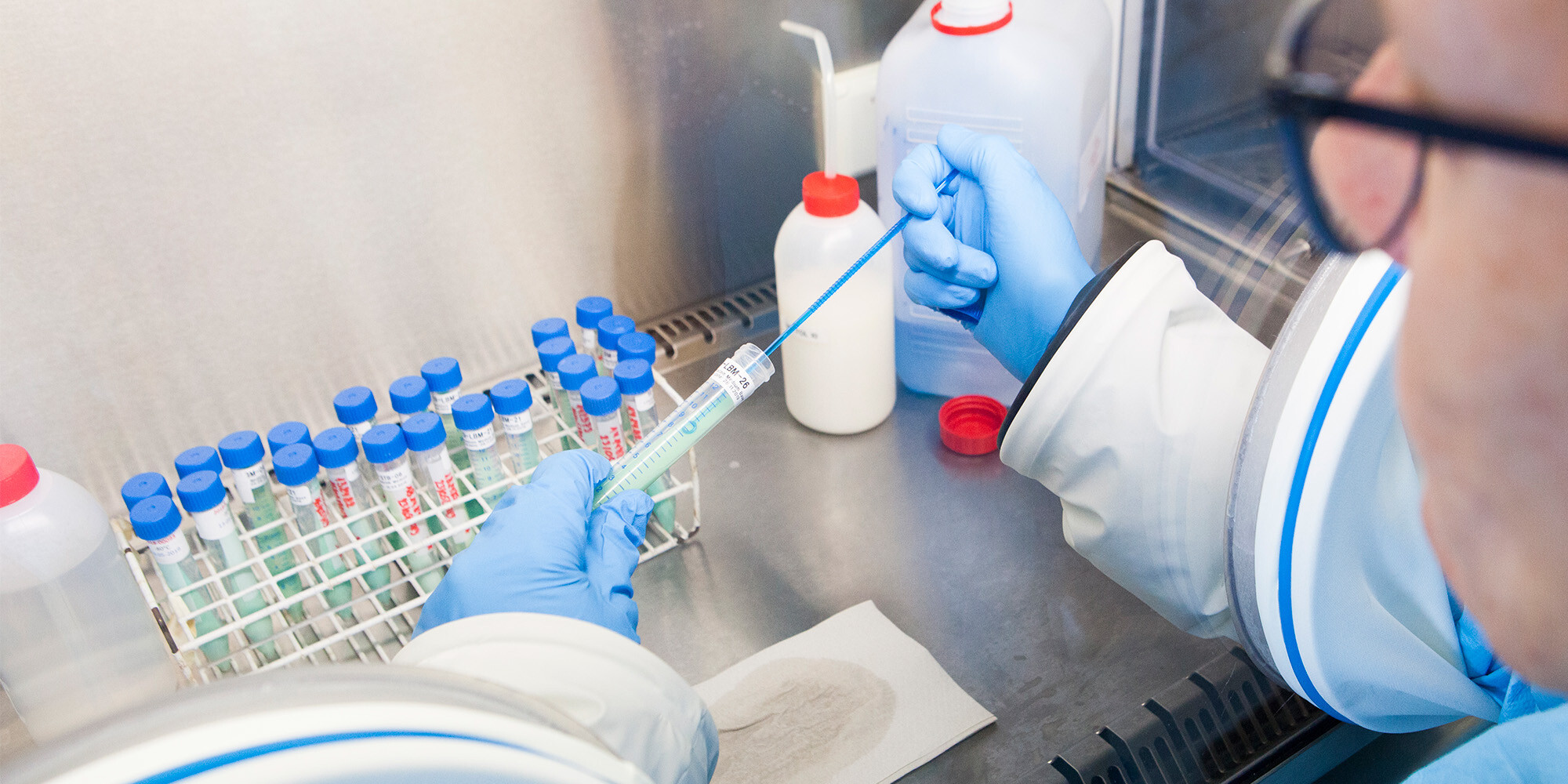
The Tuberculosis Antimicrobial Stewardship Program (TASP) aims to rapidly reduce bacillary load in patients at risk/with BDQr/Rr-TB by using an empirical, highly bactericidal intensive phase (for those at risk) followed by a regimen informed by drug-susceptibility testing (DST) results, interpreted by an artificial intelligence (AI)-aided Treatment Recommender. 125 participants at risk/with BDQr/Rr-TB will be enrolled in Nigeria, Mozambique and South Africa. Baseline and acquired resistance will be monitored, and a novel, fast and quantitative phenotypic method (thin-layer agar), with minimal infrastructural requirements, will be evaluated in TASP's high-burden, resource-limited settings through decentralised implementation.
Additionally, TASP will improve environmental control through co-designed, portable air cleaners, built using low-cost materials sourced from the local market. Filter waste products will be used for resistance surveillance and compared with conventional bioaerosol samplers.
The anticipated impact of TASP is a cost-effective TB antimicrobial stewardship programme that reduces further resistance development and preserves the current all-oral BDQ regimens for the future.
Project
Tuberculosis Antimicrobial Stewardship Program (TASP): tackling Bedaquiline-resistant tuberculosis
Period
June 2025– May 2030
Contact
Tom Decroo
ITM Principal Investigator
✉ tdecroo@itg.be
News
Consortium











Funding

Share project on