Strong collaboration strengthens the response: how jointly developed sequencing expertise helps to unravel the Bundibugyo Ebola outbreak
When the Bundibugyo Ebola outbreak was officially announced in May, you were Kinshasa, ready to start working on mpox. What happened?
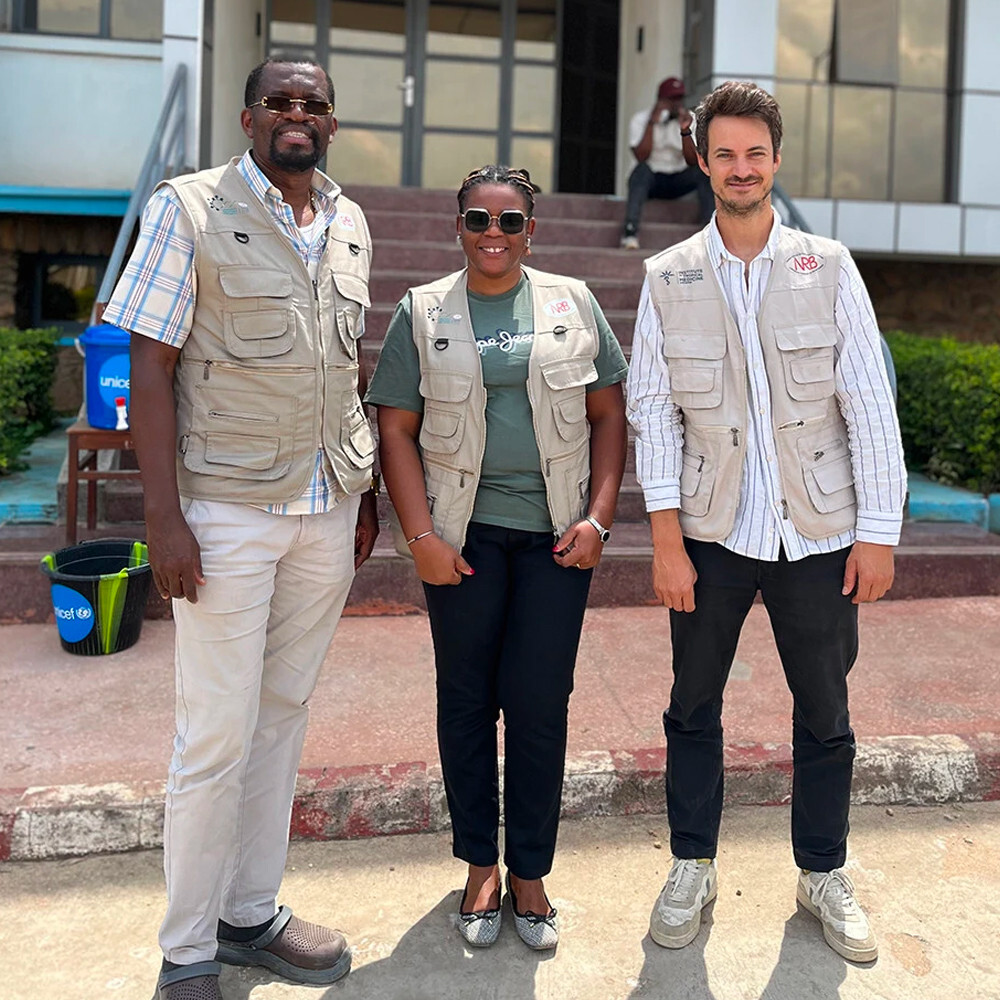
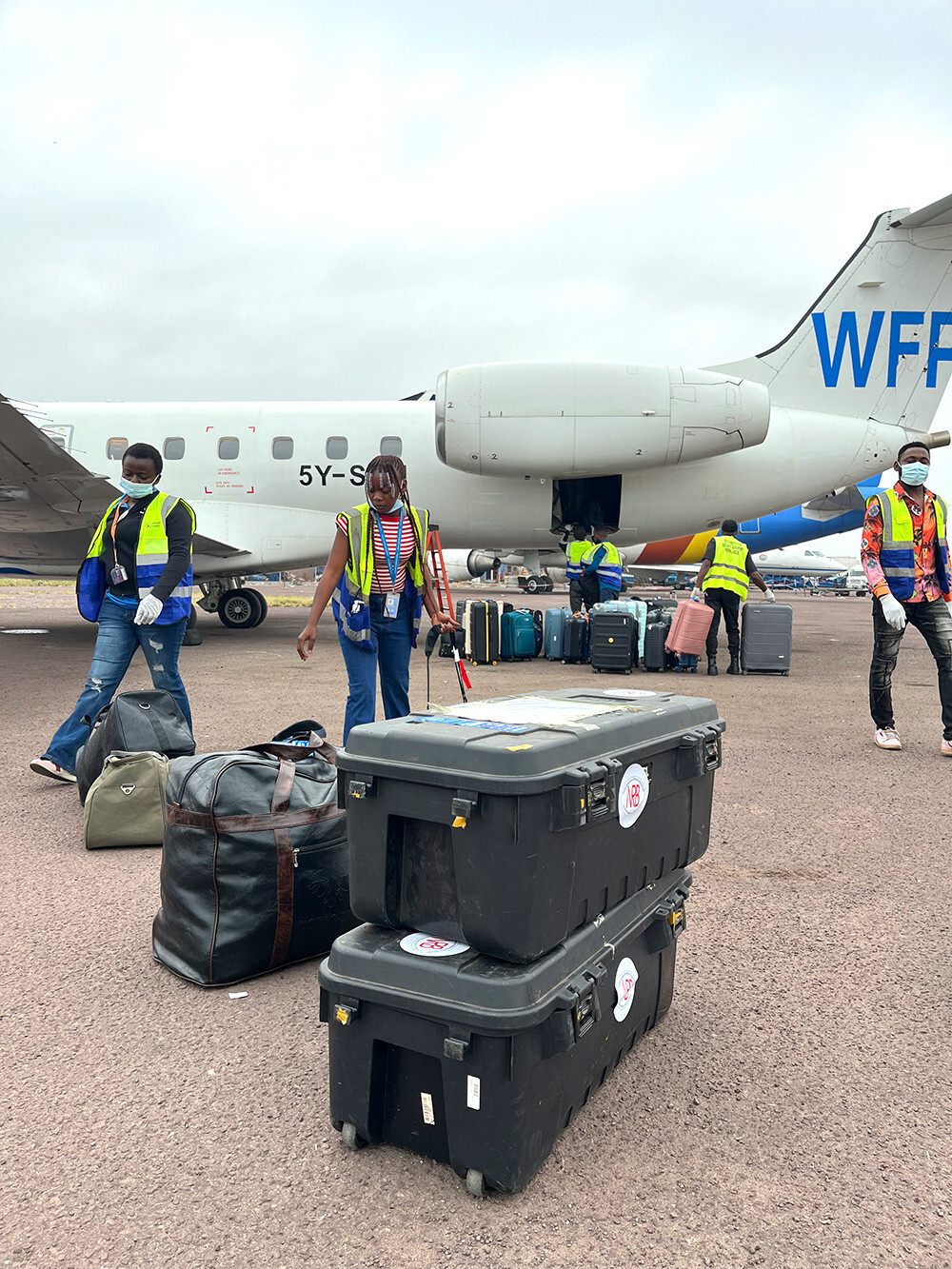
KOEN: We were in Kinshasa to look at where the mpox virus genetically evolves inside infected patients. That’s when the first samples from suspected Ebola cases in Ituri province arrived. Our colleagues from INRB, our local partner, suddenly found themselves containing the new Ebola outbreak and evidently had little room to work on anything else.
We literally put the mpox reagents and objectives in the freezer and redirected our activities towards Bundibugyo response. Because the sequencing infrastructure and collaborations were already in place, we could immediately start supporting the outbreak investigation led by INRB.
Why was sequencing so important in this outbreak?
KOEN: The first diagnostic tests were performed in the Public Health Provincial Laboratory of Bunia in Ituri province. These tests were not designed to detect this virus specifically, hence they provided negative test results. So the samples were sent to the national reference laboratory at INRB in Kinshasa. When the first samples arrived at INRB, diagnostic investigations showed that the outbreak was not caused by the Zaire ebolavirus (which we are very familiar with), but by another member of the same filovirus family. We just didn’t know which one exactly.
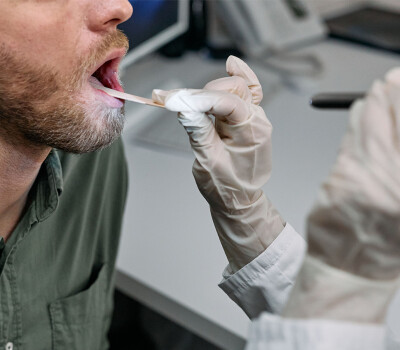
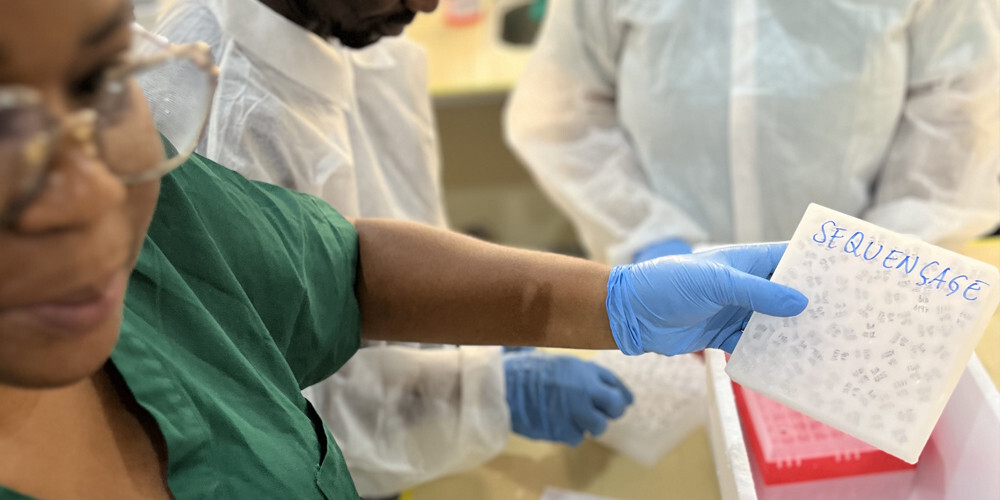
At that point sequencing technology can give us more answers. Instead of looking for one specific virus, we sequence all the genetic material in a patient's blood sample. Most of what we recover is human DNA and RNA, but if a pathogen is present, we can detect its genetic material as well. We then use a method called 'viral probe-based enrichment sequencing' in the lab and combine it with bioinformatics information to remove the human sequences from the results. We then compare what's left with databases of known pathogens.
This approach is called ‘agnostic’ diagnostics. It doesn’t start with the doctor asking you to look for a specific pathogen, instead, it allows you to identify pathogens without having to know beforehand what you're looking for.
INRB successfully identified the virus as Bundibugyo Ebola virus using this sequencing diagnostic concept. That was a crucial step in confirming the outbreak.
But the sequencing technology wasn't just used to identify the virus.
KOEN: Exactly, identifying the virus is only the beginning. This tool allows you to reconstruct the pathogen’s genome, so all if its genetic information. Once you have the complete genome, it becomes an incredibly valuable resource.
Initially, sequencing confirms the outbreak and identifies the exact virus species.
After that, diagnostic test developers can immediately evaluate whether existing PCR tests match the new virus or whether they need to adapt their ingredients (so called primers and probes). Even a small mismatch can reduce the performance of a diagnostic test. Sequencing allows us to make the genome available online very quickly. This means diagnostic test developers elsewhere can react quickly.
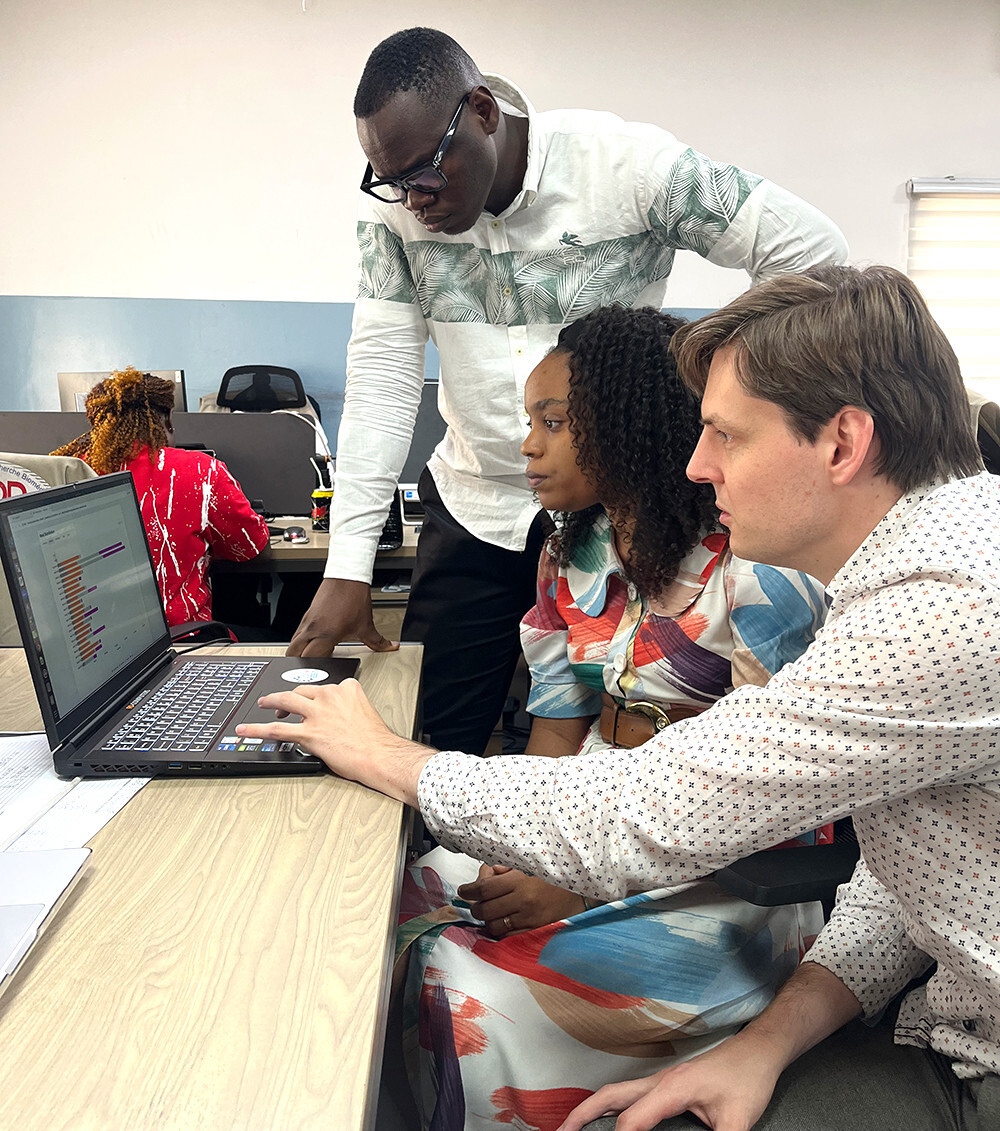
And finally, genome sequencing provides epidemiological information. By comparing viral genomes from different patients, we can reconstruct transmission chains and understand how the outbreak started and how it is spreading.
What is sequencing?
Imagine the genome of an organism as a book. Then sequencing is like reading the letters of that book. The genome consists of DNA or RNA which is made from just a few letters: A, T, C and G (or U instead of T in RNA). Sequencing tells scientists which letter come first, second, third, and so on. By reading these letters, scientists can reconstruct the organism’s genome to figure out what kind of organism it is, and how it is related to other organisms, a bit like comparing the spelling of two books to see how similar they are.
One of the findings was that this outbreak happened because of a new spillover event. How did you determine that?
KOEN: We compared the genomes from the current outbreak with genomes from the previous Bundibugyo outbreaks in 2007 (Bundibugyo, Uganda) and 2012 (Isiro, DRC).
The current viruses are sufficiently different from those earlier outbreaks to conclude that this is most likely a new zoonotic spillover from an animal reservoir, rather than a virus that re-emerged from a survivor of one of the earlier outbreaks in the area.
INRB teamed up with Ugandan researchers to demonstrate that current outbreak genomes from Democratic Republic of Congo were related to genomes produced by Ugandan colleagues (at the Central Public Health Laboratory in Kampala). This confirmed that the virus was carried across the border. This was in line with what epidemiologists already suspected based on patient travel histories.
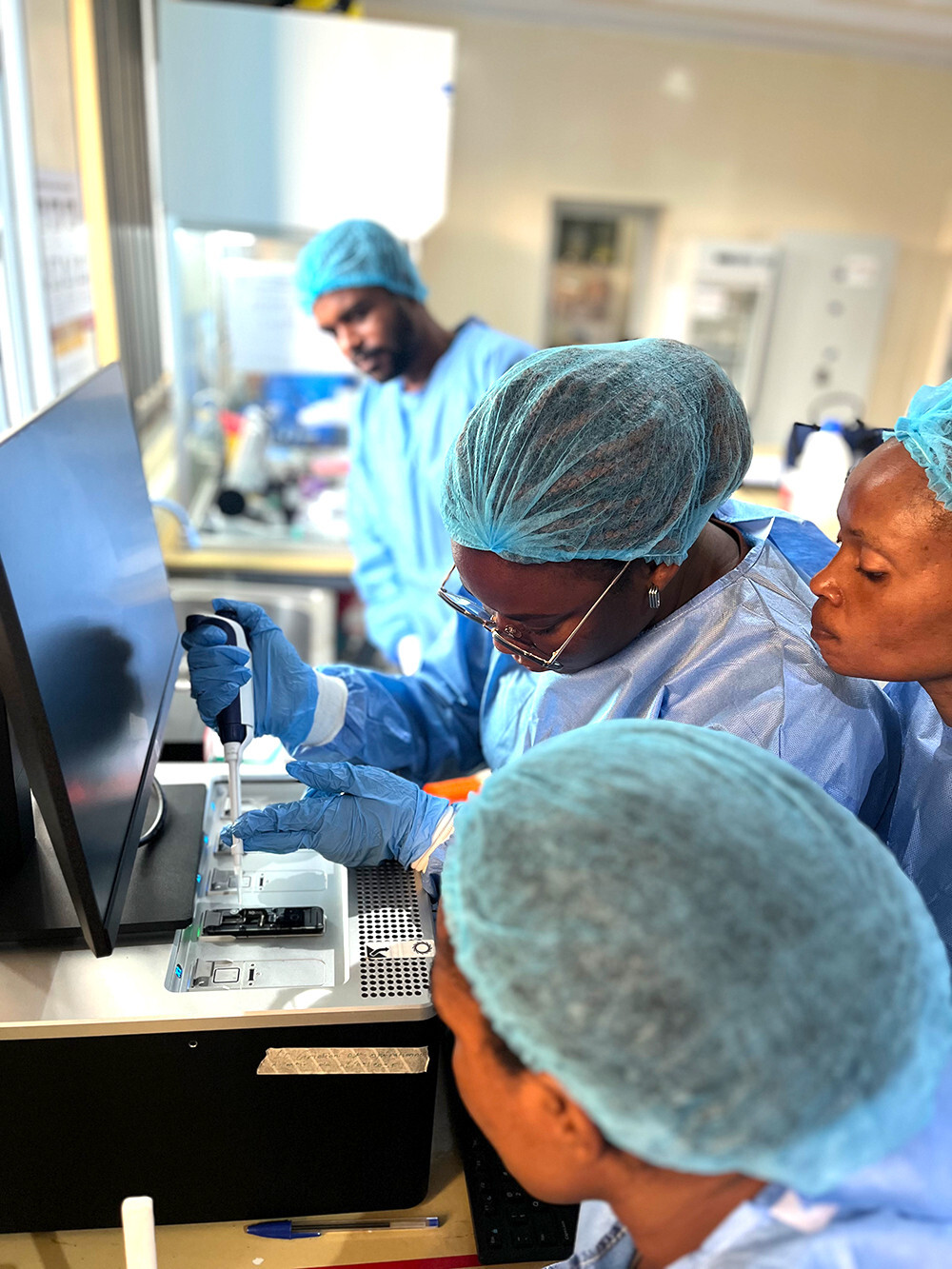
These findings were generated on patient samples analysed in country laboratories within the very first week of the recognised outbreak. If we want to be prepared for the less expected, this shows how relevant it is to have versatile laboratory protocols ready which can detect and characterise a broad range of pathogens. This is exactly the niche diagnostic area we had been collaborating on the last years.
What happened next?
KOEN: Our INRB colleagues performed this work from Kinshasa in record time. However, these laboratory protocols are demanding: they require skilled staff, time and resources. The technology therefore remains a niche diagnostic test, particularly useful for identifying unexpected outbreak pathogens that escape routine testing.
To scale up testing, our colleagues assessed routine diagnostic platforms that could be deployed in decentralised laboratories closer to the outbreak hotspot in Bunia. We also helped evaluate less resource-intensive sequencing protocols developed by international colleagues. These require several weeks to optimise for the specific virus strain, using the first genomes generated during the outbreak.
Our colleague Aziza Adrienne Amuri, a PhD student supported by a DGD scholarship, subsequently applied these protocols with her colleagues at the Public Health Provincial Laboratory of Bunia, generating hundreds of additional viral genomes. This growing dataset allows us to track how quickly the virus accumulates mutations – its ‘molecular clock’ – and work backwards to estimate when the outbreak actually began. This gives a better picture of how long the virus may have circulated before detection.
How did you start working on sequencing?
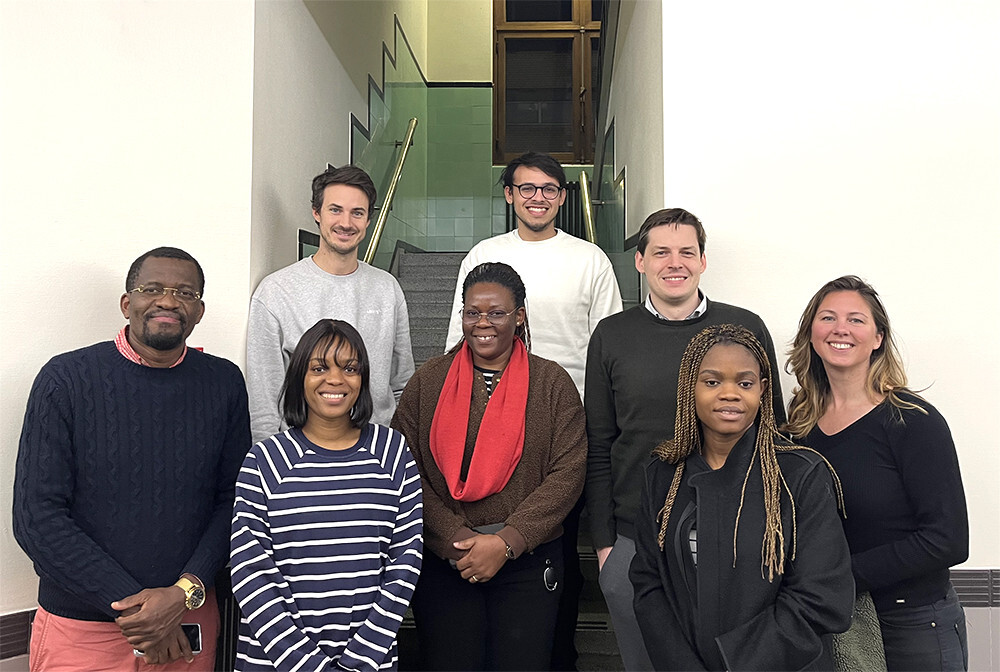
KOEN: In 2019, when I joined ITM’s clinical reference laboratory as clinical virology professor, I felt there was an opportunity for ITM to invest in sequencing techniques as a diagnostic tool.
That investment started in 2020 during the Metatropics project funded by WEWIS. Together with ITM's Unit of Virology, we built the necessary infrastructure and developed ethical frameworks to start sequencing. A next milestone was to adopt a new technology to improve disease detection, the ‘hybridisation capture enrichment technology’. In 2022, we started collaborating with Prof Placide Mbala, head of the Department of Epidemiology and Global Health at INRB. After discussing local interest and possible synergies with him, we received an initial budget of €80,000 through the DGD-FA5 project to initiate a collaboration. Additional support from DGD came later, especially through student scholarships and its outbreak emergency funding mechanism. This allowed us to deepen that collaboration.
Beyond the current outbreak response, has the technology been useful before?
In DRC we collaborated on this technology on many occasions. It allowed us to co-discover a new mpox lineage capable of transmitting from human to human in Kinshasa, 2024. It helped excluding the involvement of novel pathogens during an unexplained outbreak in Panzi in 2024, and allowed generating initial genomes of the most recent Ebola virus outbreak in Kasaï province in 2025.
The sequencing technologies we've developed together are also available here at ITM in Antwerp. If tomorrow a traveller arrives in Belgium with an unusual viral infection and conventional diagnostics fail to identify it, we can apply the exact same sequencing technology here. The expertise we have gained together in DRC is highly relevant in case of a new outbreak, also in Belgium, and strengthens ITM’s role in pandemic preparedness. It’s a great example of how expertise, infrastructure and experience work in both directions. In fact, we applied it to support diagnostic and epidemiological investigations of the first Belgian mpox patients (view publications on Virological and Nature Medicine).
Ultimately, it's all about preparedness. The next outbreak may not be Ebola or mpox. It may be something entirely different. Our goal is to have platforms that are ready, regardless of which pathogen appears next.
Read publication
Amuri-Aziza, A., Luakanda-Ndelemo, G., Ayitewala, A., Jansen, D., Adroba-Tandele, P., Tebba, A., Kinganda-Lusamaki, E., Kanyerezi, S., Kaleebu, P., Ngandu, C., Muruta, A., Jjingo, D., Nabadda, S., Lumembe-Numbi, R., Ntumba-Tshitenge, O., Wayengera, M., Mugerwa, I., Otshudiema, J. O., Kyokushaba, J., Kyabayinze, D. J., … Mbala-Kingebeni, P. (2026). Emergence of a Bundibugyo virus variant in the 2026 outbreak in the Democratic Republic of the Congo and Uganda. Nature medicine, 10.1038/s41591-026-04628-8. Advance online publication. https://doi.org/10.1038/s41591-026-04628-8
What is FA5?
FA5 is the fifth Framework Agreement between the Belgian Directorate-General for Development Cooperation and Humanitarian Aid (DGD) and ITM. It is ITM's international capacity-strengthening programme for the period 2022–2026.
Central to the Framework Agreements is that lasting improvements in global health come from strengthening local institutions, rather than conducting isolated research projects. Equality and equity are central to its philosophy.
FA6 to start in 2027
FA5 and its successor FA6 therefore invest simultaneously in research, education, laboratory capacity, policy support and institutional development at partner organisations.
For the upcoming FA6 programme we are building on decades of collaboration while introducing an ever more integrated, partner-driven theme-focused approach. The programme aims to strengthen health systems, improve pandemic preparedness and ensure that scientific knowledge translates into better health outcomes for all.
Spread the word! Share this story on
More stories
-
 - Articles
Final preparations underway for pivotal Phase 2/3 Bundibugyo vaccine trial
Tumaini, a pivotal Phase 2/3 clinical trial, will evaluate vaccine candidates including Ervebo as part of the DRC's outbreak response. There is currently no approved vaccine against Bundibugyo virus. Tumaini aims to close that gap.Read more -
- Articles
Who is at risk, and who is reached? Eight new insights into infection, care and prevention
With the Fresh Off The Journal series, we bring you our monthly research highlights.Read more -
- Articles
First 100 medical crisis intervention volunteers are undergoing training at ITM
One hundred volunteer doctors and nurses will form a Medical Reserve Unit (MRE) in Flanders that can be deployed rapidly in the event of acute, local health crises. They are gathering today for the first time for a training day on infectious diseases and outbreaks at the Institute of Tropical Medicine in Antwerp. They were welcomed by Caroline Gennez, the Flemish Minister for Welfare and Public Health, who will be providing 250,000 euros per year to the MRE over the next three years.Read more -
- Articles
How a nurse from Sierra Leone broadened her perspective at ITM
Introducing graduate Fatmata Bintu KargboRead more -
- Articles
Connecting research, policy and partnerships for better access to cancer medicines
Tinashe Zigomo, a PhD candidate at the University of the Western Cape School of Public Health, reflects on a four-week visiting scholar period at ITM Antwerp, focused on access to essential breast cancer medicines in low-resource settings.Read more -
- Articles
An infectious disease anywhere is an infectious disease everywhere
From the frontlines of the current Ebola outbreak in Central Africa to the resurgence of drug-resistant TB in Europe, weakening global health systems make all of us less safe.Read more -
- Articles
Infectious disease specialist Isabel Brosius wins Eos Pipet 2026 for her leadership in mpox research
The jury praises her strong scientific work and pronounced societal engagement.Read more -
- Articles
"This research will have a far greater impact on the people of Tanzania than the PhD degree I have earned."
An interview with Dr Amani Kikula, a researcher in obstetrics and gynaecology from Tanzania.Read more -
- Articles
"Infectious diseases cannot be studied from one discipline alone"
Ahead of the 66th ITM Colloquium, scientific leads Prof Dr Johan van Griensven from the Institute of Tropical Medicine (ITM) in Antwerp and Dr Endalamaw Gadisa from the Armauer Hansen Research Institute (AHRI) in Addis Ababa discuss why mobility is central to understanding infectious diseases and why researchers need to look beyond their own discipline.Read more -
- Articles
Staying ahead of resistance: from bacteria to better care
With the Fresh Off The Journal series, we bring you our monthly research highlights.Read more