How a nurse from Sierra Leone broadened her perspective at ITM
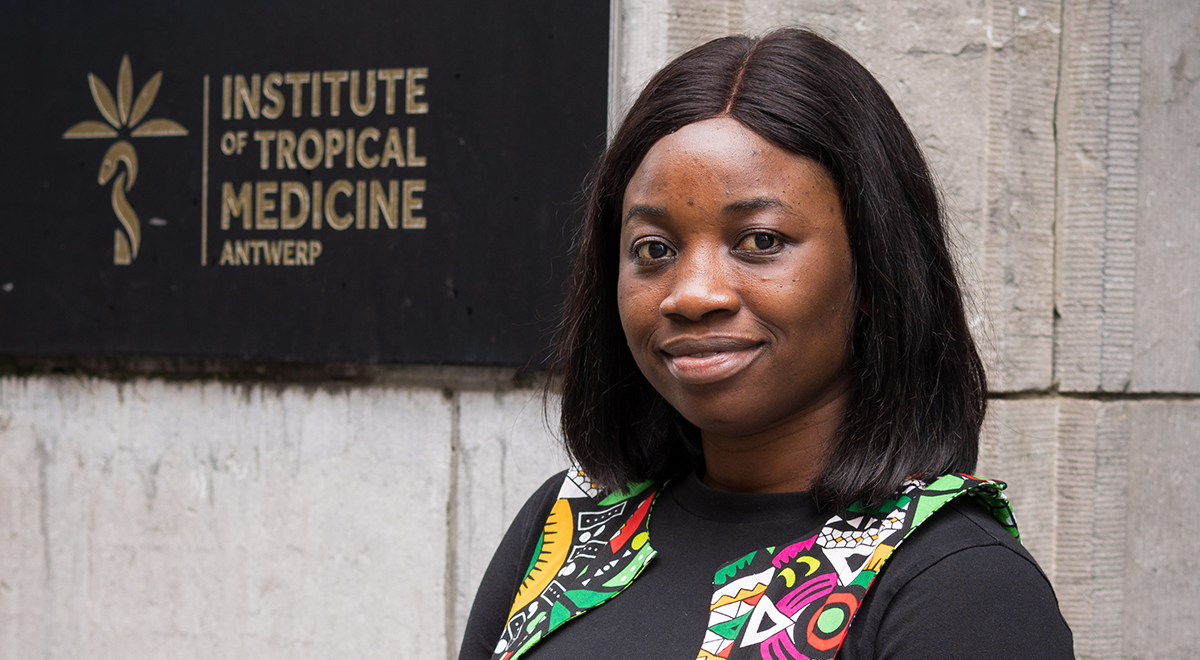
When Fatmata Bintu Kargbo talks about the Romain De Cock Scholarship, she pauses for a moment. Then she smiles. “Without this scholarship, I would never have been able to pursue this master’s programme,” she says. “It has been a life-changing opportunity.”
Fatmata comes from Sierra Leone, where she works as a nurse specialising in infection prevention and control. In her daily role, she trains staff within the Ministry of Health and is involved in monitoring disease outbreaks and healthcare-associated infections. Today, she is in Antwerp, where she is in the final stages of her Master of Science in Public Health at the Institute of Tropical Medicine (ITM).
Her decision to take this step stems from the challenges she sees in her country’s healthcare system. “I want to contribute to strengthening the health system in Sierra Leone,” she explains. “As a nurse, I cared for individual patients, but I wanted to learn how to create impact on a larger scale: within communities, health systems, and even at the national level.”
“I was impressed by ITM's practical approach. The lecturers place great emphasis on understanding the context, not just the theory. That is what makes studying here so valuable.”
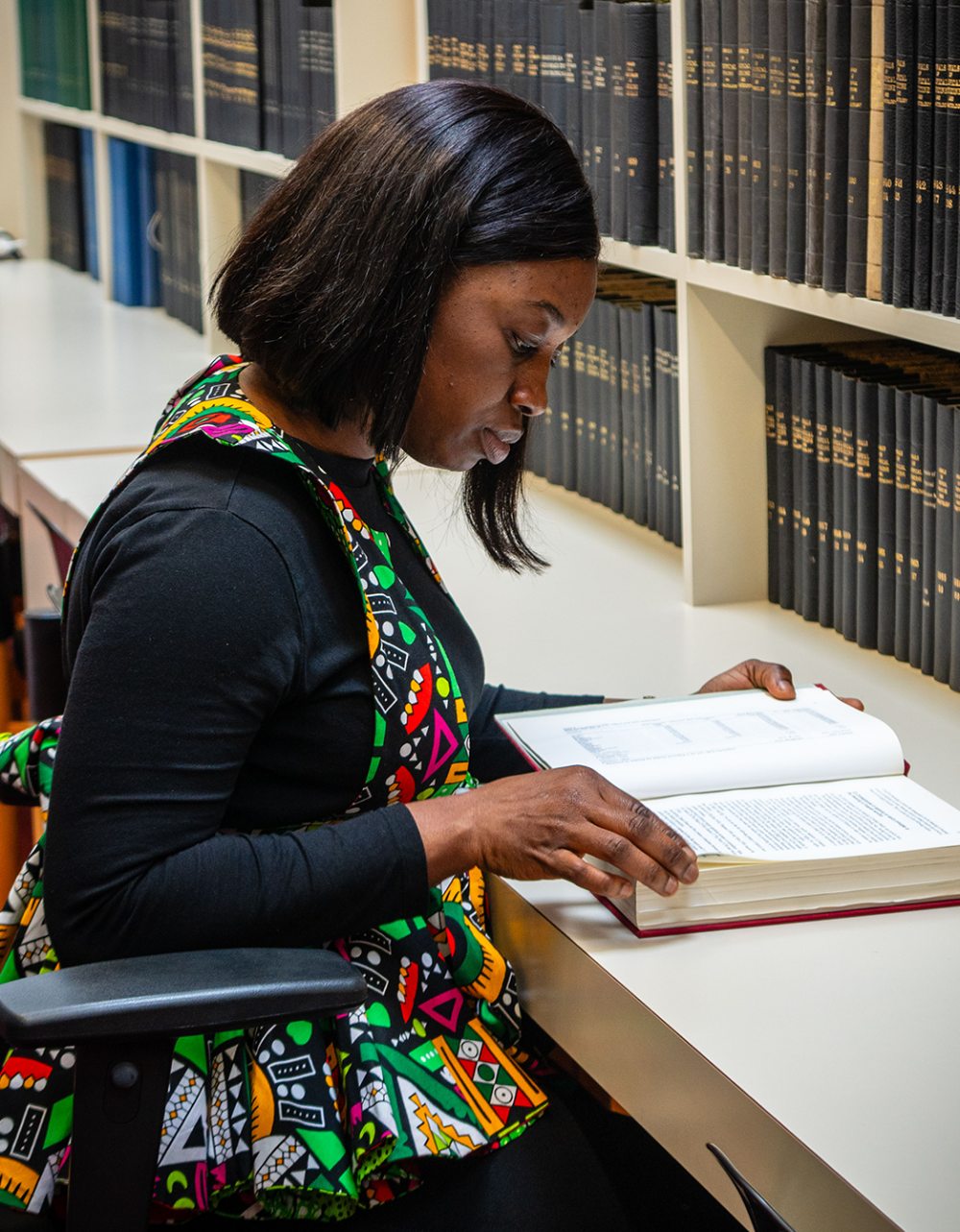
She found that broader perspective through the Public Health programme at ITM. Building on her expertise in nursing and infection prevention, she gained new insights into policy development, programme management, and evaluating health system performance. “After seven months in the programme, I can proudly say that I have acquired a great deal of knowledge and skills. They will give me more opportunities to drive change when I return home.”
Returning home is central to her future plans. Fatmata hopes to apply her newly acquired knowledge to her work in infection prevention and antimicrobial resistance, a growing challenge for health systems worldwide. She also wants to contribute to improving healthcare in the capital Freetown and across Sierra Leone.
This is not her first experience at ITM. Previously, she attended a short course on hospital-based interventions to contain antibiotic resistance in low-resource settings. That experience convinced her to return. “I was impressed by the practical approach. The lecturers place great emphasis on understanding the context, not just the theory. That is what makes studying here so valuable.”
Outside the classroom, she has also found her place in Antwerp. When the pressure of working on her thesis becomes overwhelming, she likes to unwind along the River Scheldt. “I often run into fellow students there who had exactly the same idea,” she laughs. “It’s a wonderful place to relax.”
What touches her most, however, is the support she receives as an international student. “The staff and lecturers do everything they can to make sure we don’t feel far from home. I truly appreciate that.”
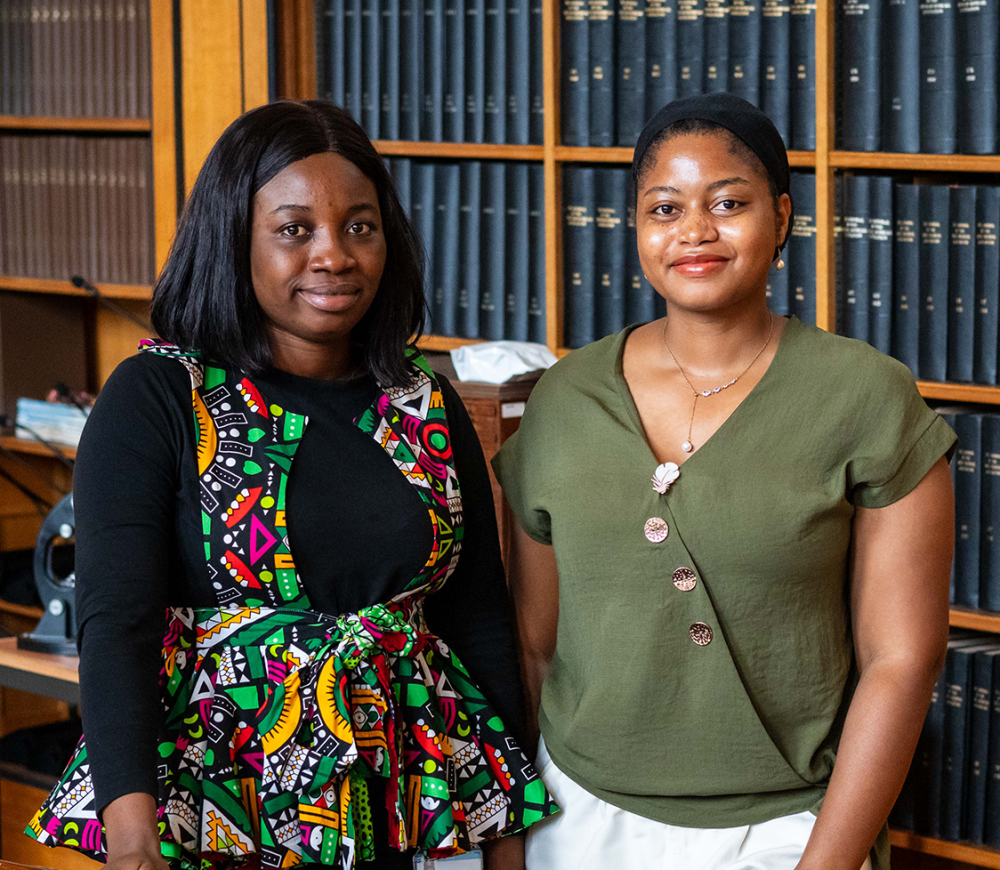
The impact of the scholarship is difficult to overstate. As a nurse in Sierra Leone, Fatmata earns around €300 per month. She also helps support her family financially. Saving enough money for an international master’s degree would have taken years. “This scholarship opened a door that would otherwise have remained closed.”
As a result, she sees her studies not only as a personal opportunity, but also as a responsibility. “It motivates me to work hard and make the most of this programme. I want to share the knowledge I gain here with others, so they can benefit from it as well.”
As graduation approaches, Fatmata is already looking ahead: to her work in Sierra Leone, to the colleagues with whom she hopes to share her new insights, and to the changes she wants to help bring about. “This opportunity has broadened my horizons,” she says. “Now I want to turn that knowledge into concrete impact in the context I know best: my own country."
Spread the word! Share this story on
More stories
-
 - Articles
Who is at risk, and who is reached? Eight new insights into infection, care and prevention
With the Fresh Off The Journal series, we bring you our monthly research highlights.Read more -
- Articles
First 100 medical crisis intervention volunteers are undergoing training at ITM
One hundred volunteer doctors and nurses will form a Medical Reserve Unit (MRE) in Flanders that can be deployed rapidly in the event of acute, local health crises. They are gathering today for the first time for a training day on infectious diseases and outbreaks at the Institute of Tropical Medicine in Antwerp. They were welcomed by Caroline Gennez, the Flemish Minister for Welfare and Public Health, who will be providing 250,000 euros per year to the MRE over the next three years.Read more -
- Articles
Connecting research, policy and partnerships for better access to cancer medicines
Tinashe Zigomo, a PhD candidate at the University of the Western Cape School of Public Health, reflects on a four-week visiting scholar period at ITM Antwerp, focused on access to essential breast cancer medicines in low-resource settings.Read more -
- Articles
An infectious disease anywhere is an infectious disease everywhere
From the frontlines of the current Ebola outbreak in Central Africa to the resurgence of drug-resistant TB in Europe, weakening global health systems make all of us less safe.Read more -
- Articles
Infectious disease specialist Isabel Brosius wins Eos Pipet 2026 for her leadership in mpox research
The jury praises her strong scientific work and pronounced societal engagement.Read more -
- Articles
Strong collaboration strengthens the response: how jointly developed sequencing expertise helps to unravel the Bundibugyo Ebola outbreak
When the current Bundibugyo Ebola outbreak emerged in the Democratic Republic of Congo, researchers at ITM’s partner institute, Institut National de Recherche Biomédicale (INRB), responded immediately. ITM Professor Koen Vercauteren talks about the role of long-term investment in sequencing technologies and scientific partnerships.Read more -
- Articles
"This research will have a far greater impact on the people of Tanzania than the PhD degree I have earned."
An interview with Dr Amani Kikula, a researcher in obstetrics and gynaecology from Tanzania.Read more -
- Articles
"Infectious diseases cannot be studied from one discipline alone"
Ahead of the 66th ITM Colloquium, scientific leads Prof Dr Johan van Griensven from the Institute of Tropical Medicine (ITM) in Antwerp and Dr Endalamaw Gadisa from the Armauer Hansen Research Institute (AHRI) in Addis Ababa discuss why mobility is central to understanding infectious diseases and why researchers need to look beyond their own discipline.Read more -
- Articles
Staying ahead of resistance: from bacteria to better care
With the Fresh Off The Journal series, we bring you our monthly research highlights.Read more -
- Articles
ITM helps investigate airport malaria in Germany
ITM draws on its experience with rare, locally acquired malaria cases.Read more