"Infectious diseases cannot be studied from one discipline alone"
From people and pathogens on the move to climate change, antimicrobial resistance, urbanisation and changes in health financing: the 66th ITM Colloquium, ITM's biennial scientific conference, takes a broad look at a rapidly changing global health landscape. Under the theme Health in Motion: Infectious Diseases on the Move, researchers, policymakers and global health professionals will meet in Addis Ababa, Ethiopia, to explore how these changes affect the emergence and spread of infectious diseases, and how health systems adapt and respond.
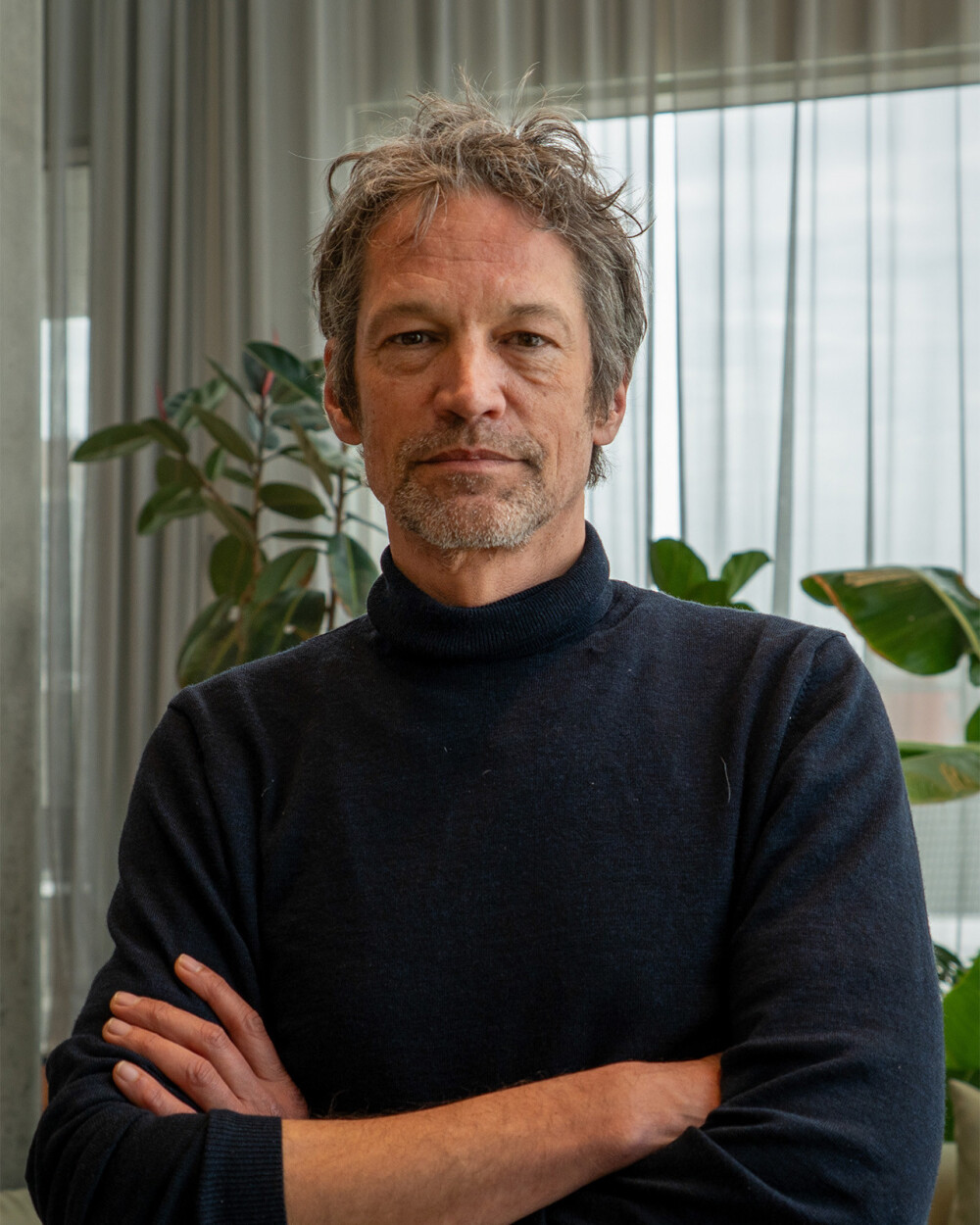
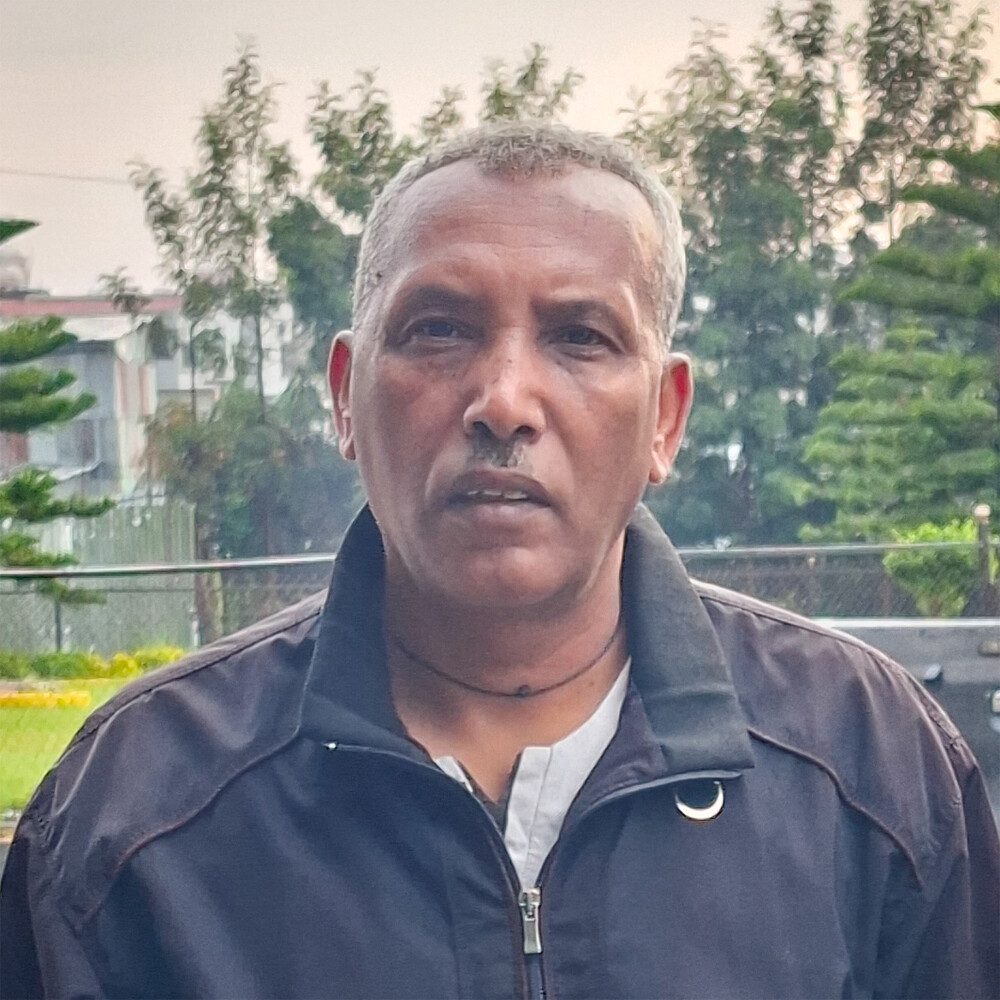
For Prof Dr Johan van Griensven and Dr Endalamaw Gadisa, who chair the scientific committee as representatives of ITM and AHRI, the colloquium is more than a conference. It is an opportunity to bring together perspectives that do not always meet.
Why is mobility such an important theme for infectious diseases right now?
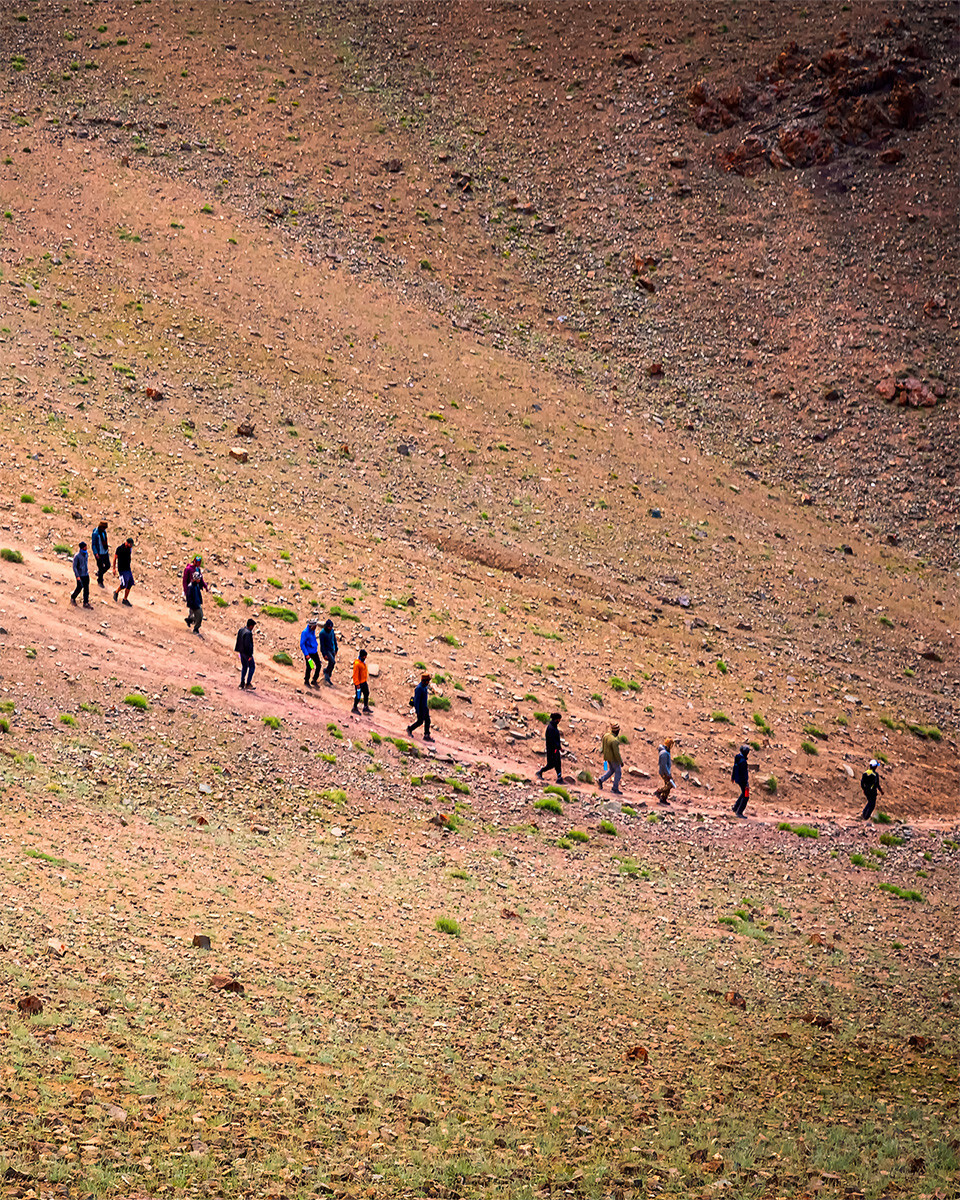
JOHAN: Mobility has always been important for infectious diseases. But the global landscape is changing very rapidly, which makes this particularly relevant today. We see major changes in the financial landscape, climate change and increasing human mobility. Mobility is also a broad concept. It is not only about people moving: pathogens move, vectors move, and ecosystems change. All these components interact.
ENDALAMAW: Globalisation and human movement can accelerate the physical spread of pathogens, while climate change can alter their natural habitats and the distribution of vectors. Pathogens themselves also change, including in their genetics and drug susceptibility. Antimicrobial resistance is a clear example of this.
But the health system and the policies around it also influence these dynamics. How medicines are used, how people access and adhere to treatment, and how health systems respond can all contribute to changes in pathogens and the spread of resistance.
The question is therefore not only how pathogens are moving, but also how health systems can adapt to this changing landscape. Can we develop responsive policies? Can we use new technologies such as AI to better track these changes? And, in the context of a changing global funding landscape, how can countries in the Global South strengthen the resilience and sovereignty of their health systems?
The conference programme covers a broad range of topics. What can participants expect?
ENDALAMAW: The programme is built around six sessions. One focuses on emerging infections and the links between climate and environmental change. Another session looks at the biology of infection: how pathogens spread and evolve, how immunity responds, and how antimicrobial resistance emerges.
The programme also addresses urban inequalities in low- and middle-income countries, continuity of care for people who are mobile, displaced or living in fragile settings, and the challenges of financing health systems in a changing global funding landscape. Finally, one session looks at surveillance for populations in motion and how digital technologies, data and AI can be used – while also considering the ethical and political questions they raise.
JOHAN: The diversity is very important. You cannot study infectious diseases by isolating one discipline. We want to look at infectious diseases from a comprehensive perspective and bring these different perspectives together.
Will AI play a major role in the conference?
JOHAN: AI is an important emerging tool that will probably have an impact on all parts of society, including research in infectious disease. But it is still a new tool, so we need to discuss how to maximise its benefits while remaining critical. What data are available? How good are those data? And to what extent are they relevant in different contexts? Infectious diseases emerge in very different settings, and some contexts are much better represented by data than others.
ENDALAMAW: We also need to think about how AI and other digital health tools can be used ethically, and how to make sure that the Global South has equal access. Otherwise, there is a risk of digital exclusion.
At the same time, the potential is enormous. These tools can help us understand pathogens and identify patterns in research data that may otherwise be difficult to see. In computational biology and pathogen evolution, for example, digital tools could significantly advance our understanding of how pathogens change and spread.
This will be particularly relevant in the session on surveillance for populations in motion. How do we use data to improve surveillance while making sure that systems remain accountable, equitable and responsive to the people they are intended to serve?
"If a researcher can interact with clinicians, social scientists, ecologists or policymakers, new ideas and connections can emerge. Ultimately, these interactions can strengthen our collective understanding and response to infectious diseases."
Prof Dr Johan van Griensven
Scientific co-chair
Why does it matter to bring all these people together in a physical colloquium?
JOHAN: The colloquium is about more than listening to presentations. The added value of bringing people together physically is the exchange that happens between the presentations: experts responding to one another, discussing ideas, challenging assumptions and brainstorming together.
If a basic researcher can interact with clinicians, social scientists, ecologists or policymakers, new ideas and connections can emerge. Ultimately, these interactions can strengthen our collective understanding and response to infectious diseases.
The colloquium is taking place in Ethiopia’s capital, Addis Ababa. Why there?
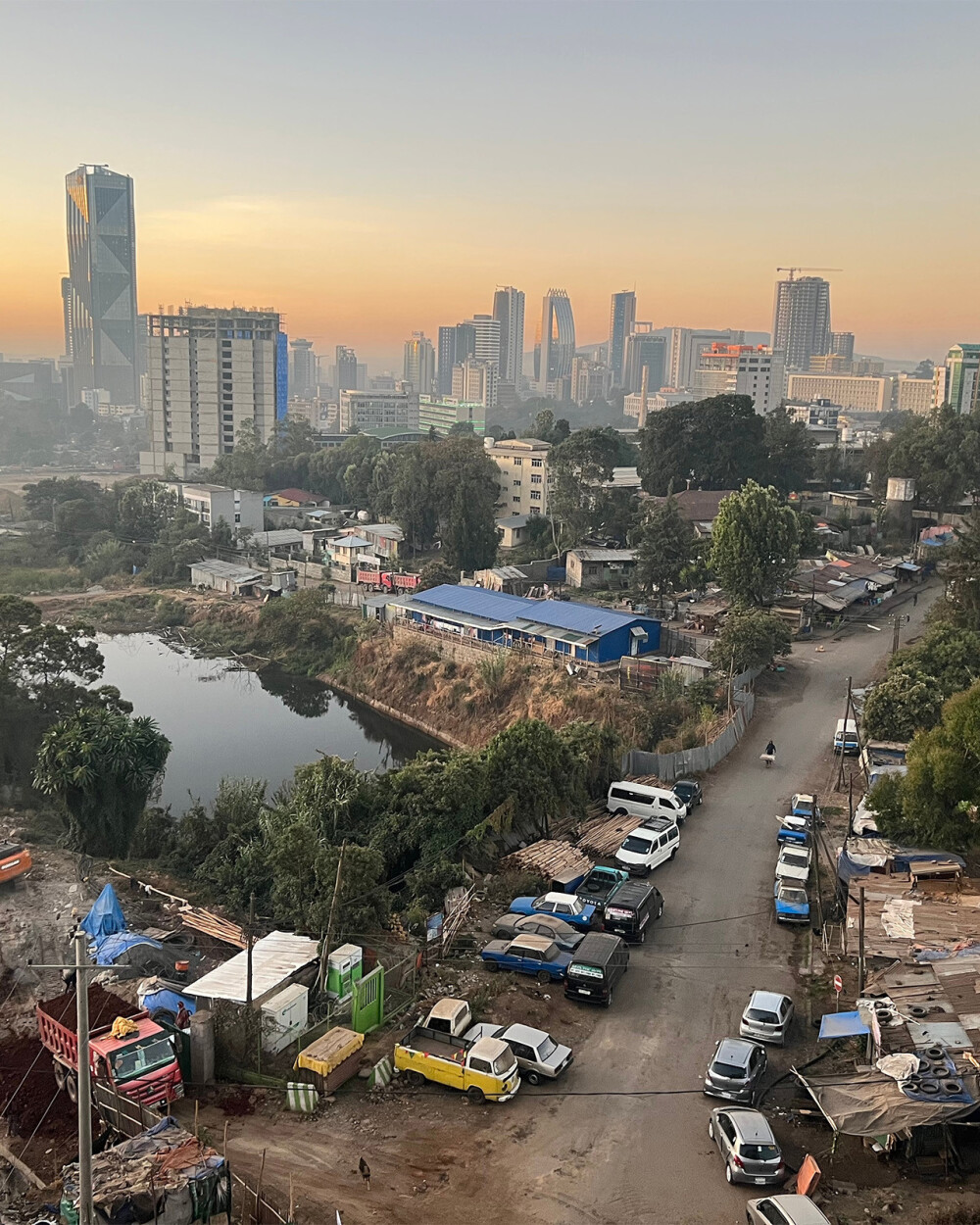
ENDALAMAW: Hosting the colloquium in Addis Ababa provides an opportunity to bring international discussions closer to where many of the challenges are experienced. It also creates opportunities to build alliances and strengthen collaboration around infectious diseases in Africa.
For researchers in Ethiopia and elsewhere in the region, it is an opportunity to engage directly with international colleagues and policymakers, while participants from outside the region can gain perspectives that may not always be represented in global health meetings.
How does mobility feature in your own research on leishmaniasis?
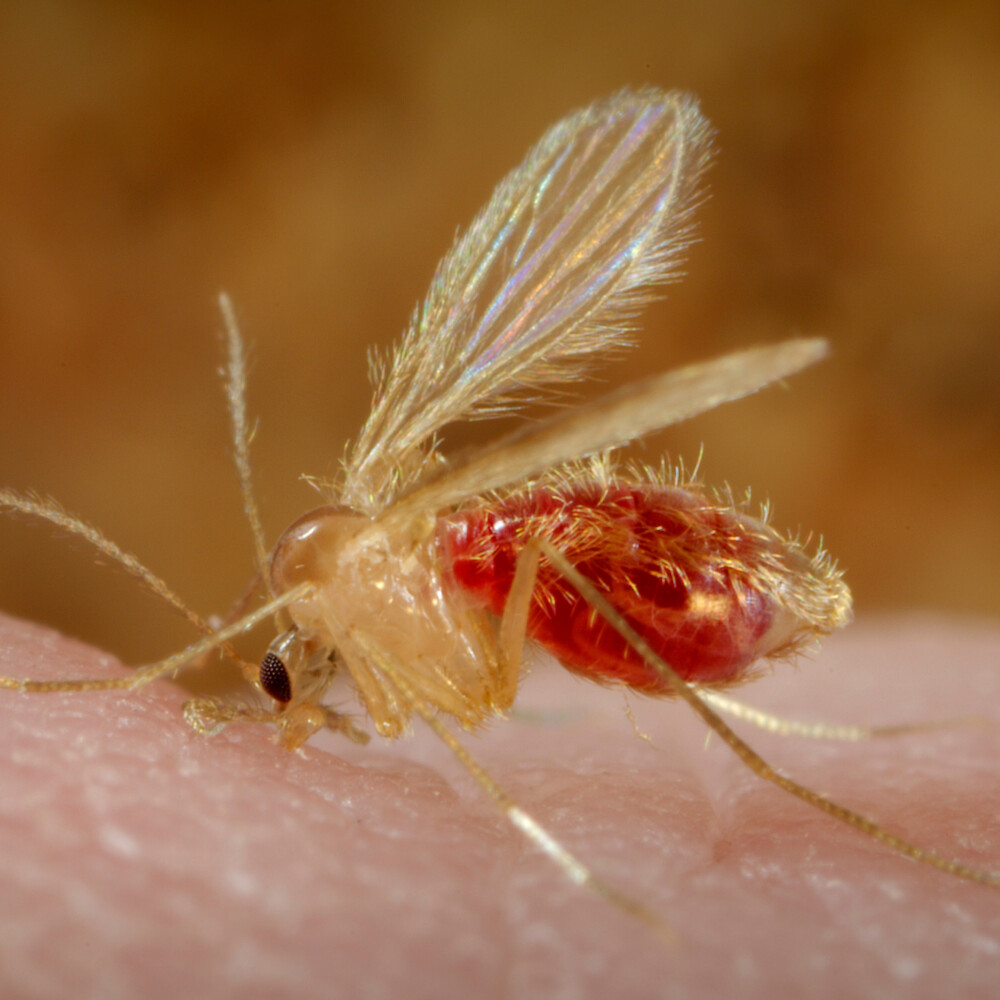
JOHAN: Visceral leishmaniasis, the second-largest parasitic killer in the world, is a good illustration of why mobility matters. In Ethiopia, for example, people may move seasonally from the highlands to the lowlands for agricultural work. Their mobility affects their exposure to the Leishmania parasite.
There are also highly mobile communities in southern Ethiopia. Where people move can influence their exposure, but it also creates a challenge for providing continuous healthcare.
Climate change adds another layer. Historically, cutaneous leishmaniasis, which affects the skin, was more associated with the highlands and visceral leishmaniasis with the lowlands. With climate change, these patterns can start to overlap. That can have consequences for the epidemiology of the disease.
ENDALAMAW: My recent research focuses increasingly on marginalised and hard-to-reach communities, including mobile populations. We look at how we can improve access to and the quality of healthcare for these communities: how they understand health risks, how they respond to them, how they perceive the health system and how acceptable and accessible that system is to them.
"We need a paradigm shift away from one-size-fits-all healthcare models."
Dr Endalamaw Gadisa
Scientific co-chair
What are you personally looking forward to?
JOHAN: I am looking forward to the plenary speakers and to learning from fields that are less familiar to me. For example, the session on health financing is very timely. I would like to understand better how countries are coping with the changing global funding landscape. The session on surveillance and data will also be a learning opportunity for me.
My philosophy is that we need to look at problems comprehensively. Engaging with experts from other fields is vital for that, and the colloquium provides an opportunity to do so.
ENDALAMAW: I am particularly interested in the discussion around AI and digital health. People move because of their livelihoods, but also because of crisis and conflict. These communities have specific needs and risks. At the same time, rapid urbanisation and health inequalities are major challenges in the Global South. I am interested to hear how AI and digital health could help respond to these challenges.
And what do you hope participants will take home?
JOHAN: I hope they leave with two things. First, with the idea that mobility is not a side issue in infectious diseases. It is central to a broader understanding of how infectious diseases work. And second, I hope they leave with new connections and ideas – interactions with people beyond their own discipline that could lead to something meaningful in the future.
ENDALAMAW: I hope participants understand that the global health landscape is changing, and that health system resilience is not static. We need a paradigm shift away from one-size-fits-all healthcare models.
The health landscape is changing rapidly, and our responses need to change with it. That means combining interdisciplinary science with adaptive policies, digital solutions and stronger health systems. The colloquium is an opportunity to start those conversations – and to build the connections needed to turn them into action.
Register now to attend the 2026 ITM Colloquium!
Register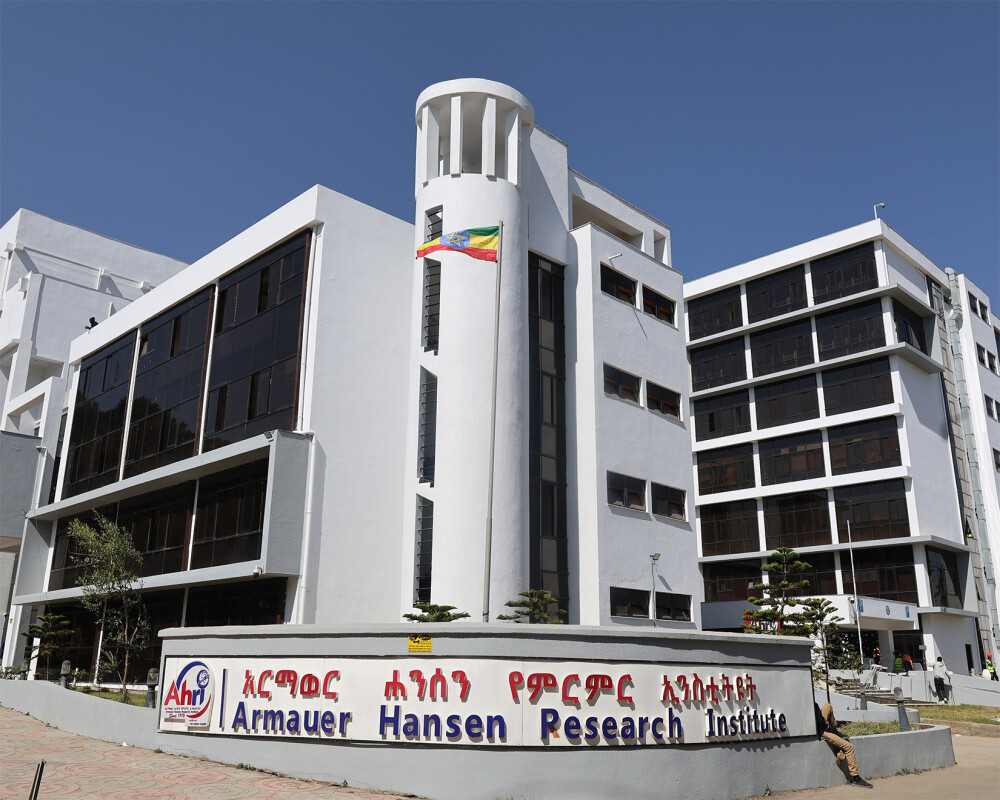
The history of the ITM and AHRI collaboration
What is the history of the collaboration between ITM and AHRI?
JOHAN: The two institutions started working together five years ago, with the “fifth framework agreement”. Within this, ITM works with 24 partners across three continents, one of this is AHRI. These partnerships are funded by a five-year grant from the Belgian Directorate-General for Development Cooperation and Humanitarian Aid (DGD). ITM’s cooperation with our partner institutions is about strengthening research, education and policy at individual and institutional level, based on the needs and questions identified by the partners.
ENDALAMAW: FA5 was an important first engagement between AHRI and ITM. It was partly about understanding each other and building a basis for longer-term collaboration. We worked together on visceral leishmaniasis, antimicrobial resistance and integrated One Health approaches.
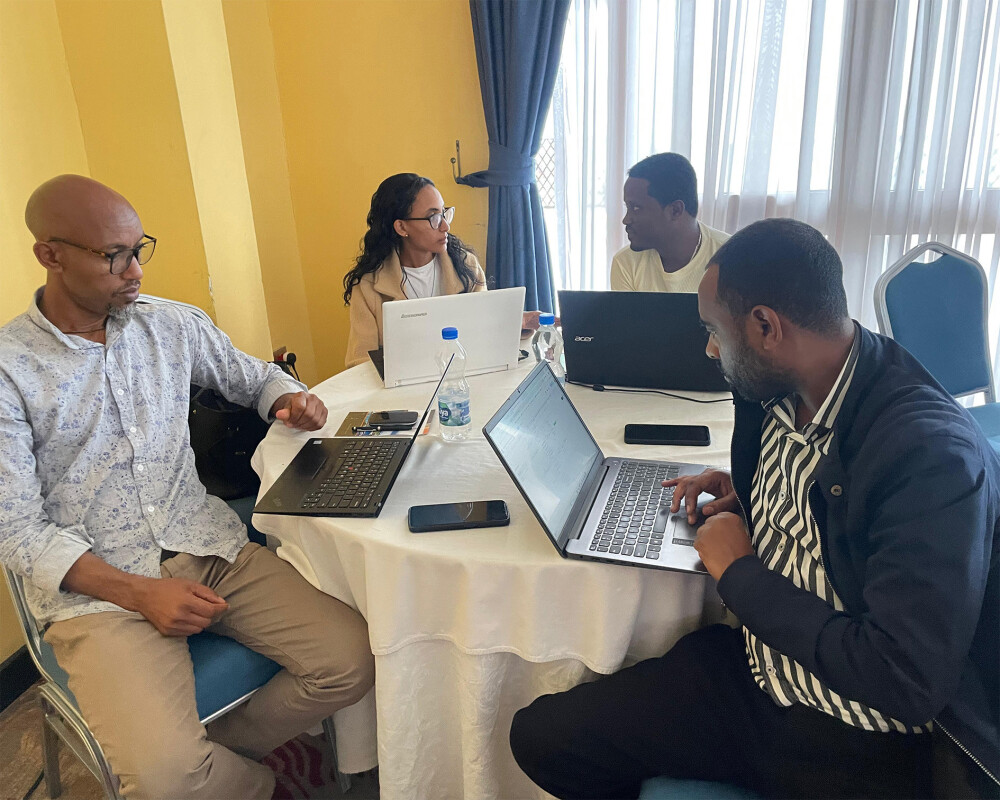
ENDALAMAW: One of the key initiatives was CORAL – Strengthening Capacity for Operational Research on AMR and Leishmaniasis. It was designed as a step-by-step learning process for young Ethiopian researchers. They were guided from identifying a research problem through proposal writing, preparing research tools, data collection, analysis, interpretation and scientific writing.
That is important capacity building because it does not only produce one research project. It helps researchers develop the skills to conduct future research themselves.
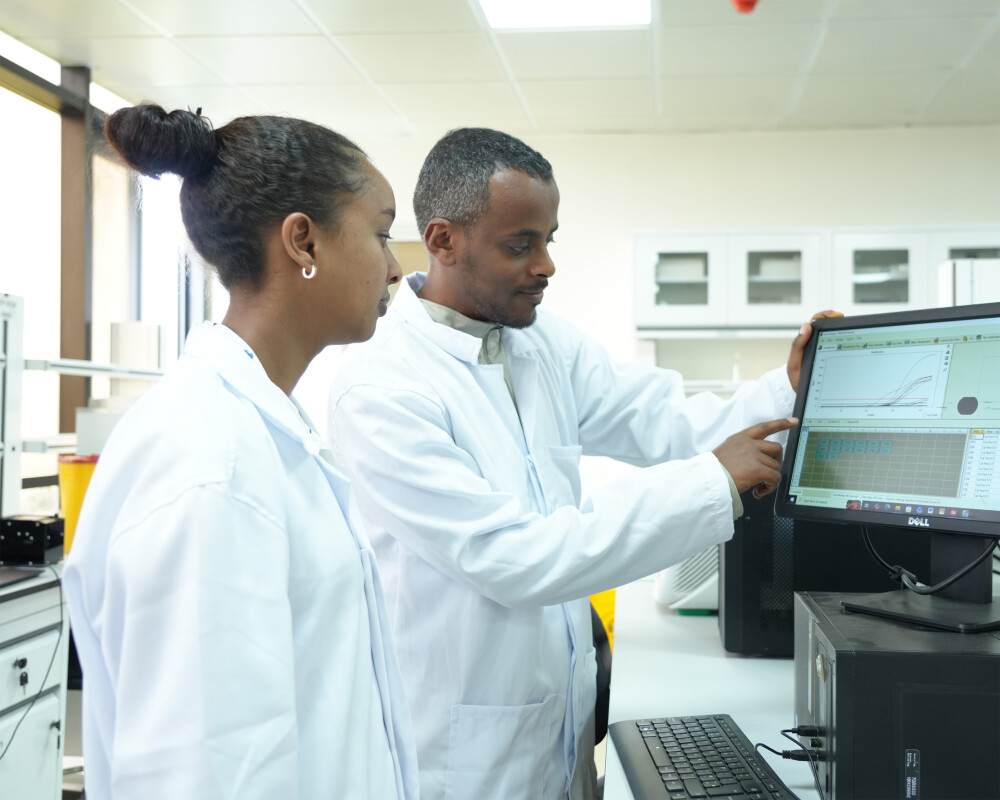
We also had joint training programmes in bioinformatics. These are important skills for the future of the Ethiopian research landscape and can help create a stronger and more interdisciplinary research ecosystem.
The next Framework Agreement, FA6, places more emphasis on closing the science–society gap. Can a colloquium help?
JOHAN: To some extent, yes. Bringing people from different backgrounds and with different responsibilities together stimulates communication and helps people understand each other’s needs and perspectives.
This is particularly important for young scientists. If researchers engage with policymakers, they can better understand what information and evidence policymakers actually need. That can help them direct their research towards producing meaningful data that can contribute to decisions.
So again, it is about communication, interaction and networking between different levels – from basic research all the way to policy.
Register now to attend the 2026 ITM Colloquium!
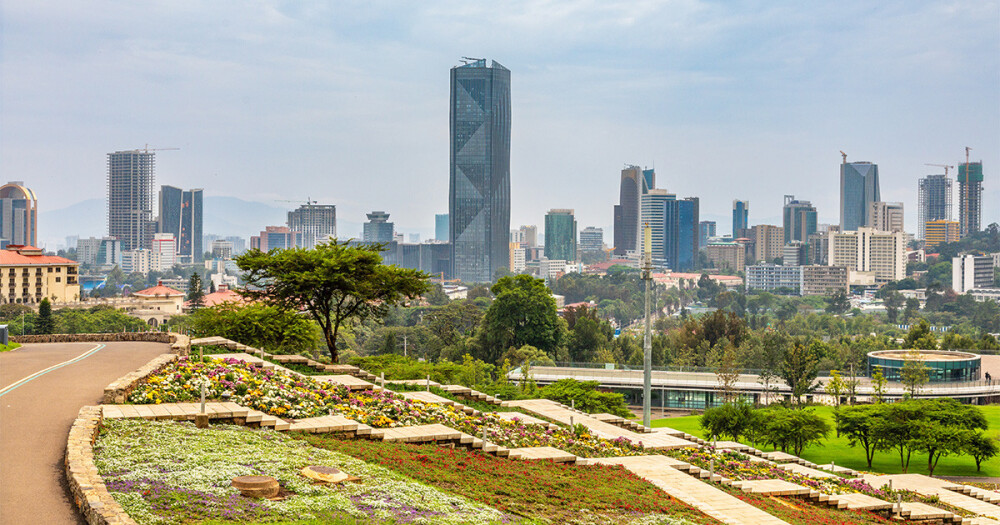
Ground-breaking insights, engaging discussions and inspiring networking opportunities await you at our 66th ITM Colloquium in Addis Ababa! Register now to attend.
Spread the word! Share this story on
More stories
-
 - Articles
Final preparations underway for pivotal Phase 2/3 Bundibugyo vaccine trial
Tumaini, a pivotal Phase 2/3 clinical trial, will evaluate vaccine candidates including Ervebo as part of the DRC's outbreak response. There is currently no approved vaccine against Bundibugyo virus. Tumaini aims to close that gap.Read more -
- Articles
Who is at risk, and who is reached? Eight new insights into infection, care and prevention
With the Fresh Off The Journal series, we bring you our monthly research highlights.Read more -
- Articles
First 100 medical crisis intervention volunteers are undergoing training at ITM
One hundred volunteer doctors and nurses will form a Medical Reserve Unit (MRE) in Flanders that can be deployed rapidly in the event of acute, local health crises. They are gathering today for the first time for a training day on infectious diseases and outbreaks at the Institute of Tropical Medicine in Antwerp. They were welcomed by Caroline Gennez, the Flemish Minister for Welfare and Public Health, who will be providing 250,000 euros per year to the MRE over the next three years.Read more -
- Articles
How a nurse from Sierra Leone broadened her perspective at ITM
Introducing graduate Fatmata Bintu KargboRead more -
- Articles
Connecting research, policy and partnerships for better access to cancer medicines
Tinashe Zigomo, a PhD candidate at the University of the Western Cape School of Public Health, reflects on a four-week visiting scholar period at ITM Antwerp, focused on access to essential breast cancer medicines in low-resource settings.Read more -
- Articles
An infectious disease anywhere is an infectious disease everywhere
From the frontlines of the current Ebola outbreak in Central Africa to the resurgence of drug-resistant TB in Europe, weakening global health systems make all of us less safe.Read more -
- Articles
Infectious disease specialist Isabel Brosius wins Eos Pipet 2026 for her leadership in mpox research
The jury praises her strong scientific work and pronounced societal engagement.Read more -
- Articles
Strong collaboration strengthens the response: how jointly developed sequencing expertise helps to unravel the Bundibugyo Ebola outbreak
When the current Bundibugyo Ebola outbreak emerged in the Democratic Republic of Congo, researchers at ITM’s partner institute, Institut National de Recherche Biomédicale (INRB), responded immediately. ITM Professor Koen Vercauteren talks about the role of long-term investment in sequencing technologies and scientific partnerships.Read more -
- Articles
"This research will have a far greater impact on the people of Tanzania than the PhD degree I have earned."
An interview with Dr Amani Kikula, a researcher in obstetrics and gynaecology from Tanzania.Read more -
- Articles
Staying ahead of resistance: from bacteria to better care
With the Fresh Off The Journal series, we bring you our monthly research highlights.Read more