Staying ahead of resistance: from bacteria to better care
Fresh Off The Journal: July / August 2026
Why do two people infected with the same parasite develop completely different symptoms? How does a mother's nutrition before pregnancy shape her child's growth years later? And what does it take to keep antibiotics working against tuberculosis and gonorrhoea?
In this month's Fresh Off The Journal, ITM researchers and partners explore how individual and systemic differences shape health outcomes: from early antibody responses to dengue and diverse immune programmes in Ethiopian leishmaniasis lesions, to PrEP access among migrants in Belgium, maternal nutrition and child growth in low- and middle-income countries, and antimicrobial resistance in tuberculosis, surgical care in Rwanda and Neisseria bacteria.
Together, these studies show that disease control cannot rely on one-size-fits-all solutions. It requires understanding how immune responses, social circumstances and health systems vary between people and places, and adapting testing, treatment and policy accordingly.
Researching (re-)emerging infections and outbreaks
What happens when dengue infects for the first time?
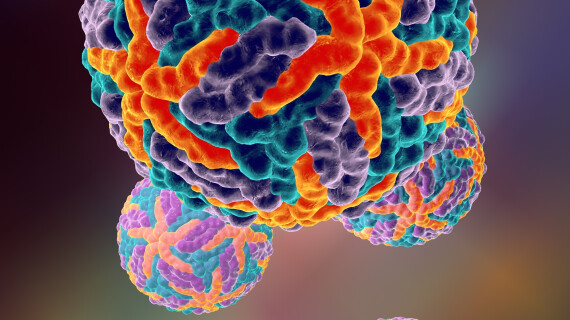
Researchers used a controlled dengue virus infection study to examine how the body's antibody-producing immune cells respond during a first dengue infection. They found that some antibody responses appeared remarkably similar across different people and emerged quickly after infection. These shared responses may help explain how immunity to dengue develops and could support the design of future vaccines that provide protection while reducing the risk of harmful immune reactions.
Verdonckt, T., Sahulčík, M., Bouckaert, J., Vermeersch, A., Struyfs, C., Van Nieuwerburgh, F., Waickman, A., Thomas, S. J., Lagatie, O., & Ariën, K. K. (2026). Establishment of germline-encoded antibodies during primary dengue infection. Cell Reports, 45(8), 117764. https://doi.org/10.1016/j.celrep.2026.117764
Mapping the immune response in Ethiopian leishmaniasis
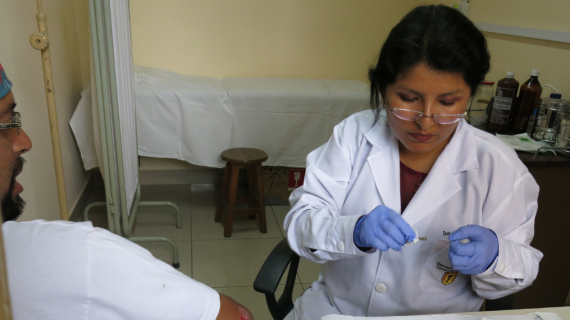
Researchers from ITM and the University of York examined skin lesions from Ethiopian cutaneous leishmaniasis patients and uncovered five entirely different immune responses, despite identical-looking lesions. By mapping where genes were active throughout the tissue, they revealed that the same parasite species triggers vastly different immune responses in different people. These findings could help explain why patients experience different disease outcomes and responses to treatment.
Dey, N. S., Pham, T. T., Dey, S., Kassa, M., Mekonnen, T., Fikre, H., ... & Adriaensen, W. (2026). Spatial mapping of Ethiopian cutaneous leishmaniasis lesions reveals distinct tissue level immune programs. Frontiers in immunology, 17, 1870524.
Designing sustainable health systems and strategies

How everyday challenges affect HIV prevention
A study by researchers in Belgium explored why some migrants face difficulties accessing PrEP, a medicine that helps prevent HIV. Interviews and group discussions showed that concerns about immigration, health insurance, as well as stigma and discrimination coexist and reinforce each other. For people worried about the basics, taking steps to prevent HIV becomes more difficult. The findings highlight the need to consider these broader challenges to support PrEP access and use.
Van Landeghem, E., Hensen, B., Belloni, M., & Nöstlinger, C. (2026). Intersecting vulnerabilities, diverging pathways: an intersectional analysis of PrEP access disparities among migrant populations in Belgium. Social Science & Medicine, 119642. https://doi.org/10.1016/j.socscimed.2026.119642
Maternal nutrition before pregnancy is linked to child growth
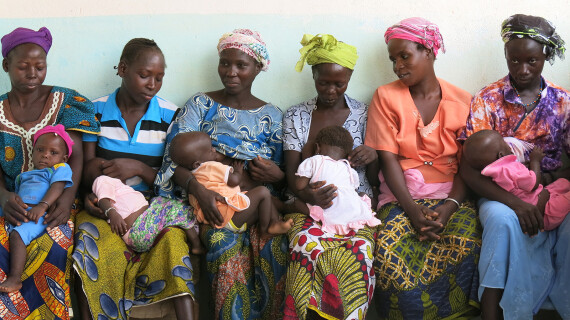
Researchers studied children in four low- and middle-income countries and found that mothers’ nutritional status before pregnancy was linked to how their children grew during early childhood. Children of mothers who were shorter, particularly when combined with other forms of malnutrition, were more likely to experience severe growth faltering. The findings highlight the importance of supporting women’s nutrition and health before pregnancy, not only during it.
Sagastume, D., Polman, K., Ramírez-Zea, M., Beňová, L., & Peñalvo, J. L. (2026). Association of maternal pre-pregnancy malnutrition with offspring growth trajectories: A secondary data analysis of the Women First Trial. The American Journal of Clinical Nutrition, 101459. https://doi.org/10.1016/j.ajcnut.2026.101459
Shorter hospital stays after childbirth
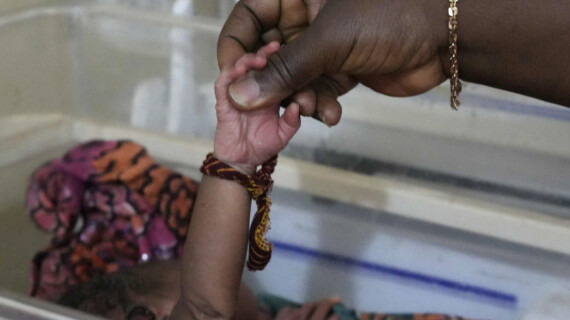
During the COVID-19 pandemic, the time that women spent in health facilities after giving birth was reduced, accelerating an existing trend toward shorter postpartum stays. These changes helped reduce infection risks and ease pressure on healthcare systems. In few countries, community-based postpartum care was strengthened to support women. The findings underscore the importance of ensuring that healthcare adaptations during emergencies are evidence-based and responsive to women’s needs and experiences.
Semaan, A., Vercoutere, A., Ezeanochie, M., Afolabi, B. B., Mery, G., Gadama, L. A., ... & Beňová, L. (2026). Change in maternal postpartum length of stay in health facilities during COVID-19: An explanatory sequential mixed-methods study with population-representative data from 33 countries and six nested comparative case studies. SSM-Health Systems, 100287. https://doi.org/10.1016/j.ssmhs.2026.100287
Accelerating disease elimination
Understanding a protein used to detect sleeping sickness
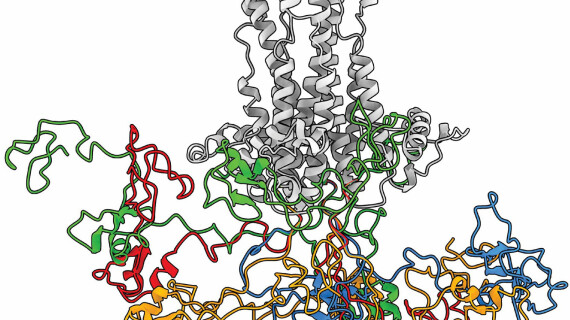
Sleeping sickness, a parasitic disease spread by tsetse flies in sub-Saharan Africa, is diagnosed using a parasite surface protein called LiTat 1.3. Despite its long-standing role in testing, its structure had never been examined in detail. We show it forms clusters of three, anchored to the parasite surface by a flexible part. These findings deepen our understanding of a key diagnostic marker and may help guide future diagnostic tests.
Danel, N., Geens, R., Mares-Mejía, I., Versées, W., Van Den Abbeele, J., & Sterckx, Y. G. (2026). The major diagnostic VSG LiTat 1.3 of the human parasite Trypanosoma brucei gambiense is a trimer in solution. PLoS Pathogens, 22(8), e1014530. https://doi.org/10.1371/journal.ppat.1014530
Taking on antimicrobial resistance
Decoding TB drug resistance
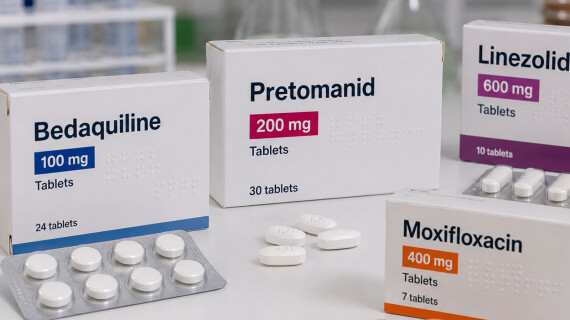
Whole-genome sequencing can detect genetic changes linked to resistance to newer tuberculosis (TB) medicines, but many of these changes are difficult to interpret. Researchers analysed TB samples from seven countries in sub-Saharan Africa and found that most of the genetic variants studied were not linked to actual drug resistance. The findings help improve the interpretation of genetic test results and support more accurate monitoring of resistance to important TB treatments.
Massou, F., Dewaele, K., Gnamy, A., Balde, R., Mulders, W., Mehan, C. J., De Jong, B. C., Affolabi, D., Tzfadia, O., & Rigouts, L. (2026). No phenotypic resistance observed for most group-3 and -4 variants in Mycobacterium tuberculosis genes related to bedaquiline, clofazimine, delamanid, and pretomanid in a Central and West African context. Microbiology Spectrum, e0200526. https://doi.org/10.1128/spectrum.02005-26
Improving antibiotic use around surgery in Rwanda
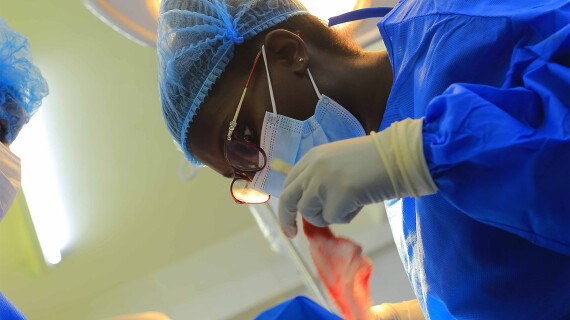
A study at a tertiary hospital in Kigali, Rwanda, found inappropriate prescription of antibiotics given to prevent infections after surgery. The main problems included inadequate antibiotic choice, dose or duration, linked to the absence of local guidelines, limited access to recommended drugs and entrenched routines, a.o.. Researchers suggest locally adapted guidelines, regular education and training, better communication and monitoring of prescription practices to improve antibiotic use and help limiting antimicrobial resistance.
Theunissen, C., Muremba, M. F., Bitunguhari, L., Anthierens, S., Igizeneza, A., Huits, R., ... & Schouten, J. (2026). Antimicrobial stewardship in practice: determinants of prescription behaviour and developing interventions to improve surgical prophylaxis in a Rwandan tertiary hospital—a mixed methods study using the behaviour change wheel. Antimicrobial Resistance & Infection Control, 15(1), 105. https://doi.org/10.1186/s13756-026-01771-2
A closer look at antibiotic resistance in Neisseria bacteria
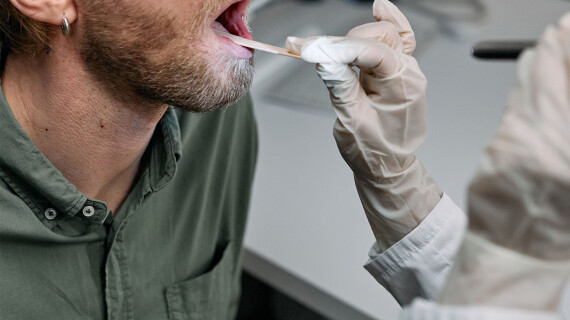
Researchers found that Neisseria bacilliformis, a bacterium that commonly lives in the throat, carries a gene similar to one involved in ceftriaxone resistance in the bacteria that cause gonorrhoea. Some N. bacilliformis samples also had genetic changes linked to reduced antibiotic sensitivity. However, the study could not show that these changes cause resistance. The findings highlight the need to monitor diverse Neisseria species.
Manoharan-Basil, S. S., De Block, T., Kanesaka, I., Abdellati, S., Vanbaelen, T., & Kenyon, C. (2026). Extension of penA diversity within the genus Neisseria: characterization of a penA/ftsI homolog in Neisseria bacilliformis associated with elevated ceftriaxone MICs. Antimicrobial Agents and Chemotherapy, e0039226. https://doi.org/10.1128/aac.00392-26
News
All news-
 With the Fresh Off The Journal series, we bring you our monthly research highlights.
 -
With the Fresh Off The Journal series, we bring you our monthly research highlights.
-
With the Fresh Off The Journal series, we bring you our monthly research highlights.
-
With the Fresh Off The Journal series, we bring you our monthly research highlights.
-
Articles
Fresh Off The Journal: April 2026
 With the Fresh Off The Journal series, we bring you eight research highlights every month.
 -
Articles
Fresh Off The Journal: March 2026
With the Fresh Off The Journal series, we bring you eight research highlights every month. -
Articles
Fresh Off The Journal: February 2026
With the Fresh Off The Journal series, we bring you nine research highlights every month. -
With the Fresh Off The Journal series, we bring you nine research highlights every month.
-
Articles
Fresh Off The Journal: November 2025
With the Fresh Off The Journal series, we bring you nine research highlights every month. -
Articles
Fresh Off The Journal: October 2025
With the Fresh Off The Journal series, we bring you nine research highlights every month. -
With the Fresh Off The Journal series, we bring you nine research highlights every month.

Spread the word! Share this story on
More stories
-
- Articles
Who is at risk, and who is reached? Eight new insights into infection, care and prevention
With the Fresh Off The Journal series, we bring you our monthly research highlights.Read more -
- Articles
First 100 medical crisis intervention volunteers are undergoing training at ITM
One hundred volunteer doctors and nurses will form a Medical Reserve Unit (MRE) in Flanders that can be deployed rapidly in the event of acute, local health crises. They are gathering today for the first time for a training day on infectious diseases and outbreaks at the Institute of Tropical Medicine in Antwerp. They were welcomed by Caroline Gennez, the Flemish Minister for Welfare and Public Health, who will be providing 250,000 euros per year to the MRE over the next three years.Read more -
- Articles
How a nurse from Sierra Leone broadened her perspective at ITM
Introducing graduate Fatmata Bintu KargboRead more -
- Articles
Connecting research, policy and partnerships for better access to cancer medicines
Tinashe Zigomo, a PhD candidate at the University of the Western Cape School of Public Health, reflects on a four-week visiting scholar period at ITM Antwerp, focused on access to essential breast cancer medicines in low-resource settings.Read more -
- Articles
An infectious disease anywhere is an infectious disease everywhere
From the frontlines of the current Ebola outbreak in Central Africa to the resurgence of drug-resistant TB in Europe, weakening global health systems make all of us less safe.Read more -
- Articles
Infectious disease specialist Isabel Brosius wins Eos Pipet 2026 for her leadership in mpox research
The jury praises her strong scientific work and pronounced societal engagement.Read more -
- Articles
Strong collaboration strengthens the response: how jointly developed sequencing expertise helps to unravel the Bundibugyo Ebola outbreak
When the current Bundibugyo Ebola outbreak emerged in the Democratic Republic of Congo, researchers at ITM’s partner institute, Institut National de Recherche Biomédicale (INRB), responded immediately. ITM Professor Koen Vercauteren talks about the role of long-term investment in sequencing technologies and scientific partnerships.Read more -
- Articles
"This research will have a far greater impact on the people of Tanzania than the PhD degree I have earned."
An interview with Dr Amani Kikula, a researcher in obstetrics and gynaecology from Tanzania.Read more -
- Articles
"Infectious diseases cannot be studied from one discipline alone"
Ahead of the 66th ITM Colloquium, scientific leads Prof Dr Johan van Griensven from the Institute of Tropical Medicine (ITM) in Antwerp and Dr Endalamaw Gadisa from the Armauer Hansen Research Institute (AHRI) in Addis Ababa discuss why mobility is central to understanding infectious diseases and why researchers need to look beyond their own discipline.Read more -
- Articles
ITM helps investigate airport malaria in Germany
ITM draws on its experience with rare, locally acquired malaria cases.Read more