First 100 medical crisis intervention volunteers are undergoing training at ITM
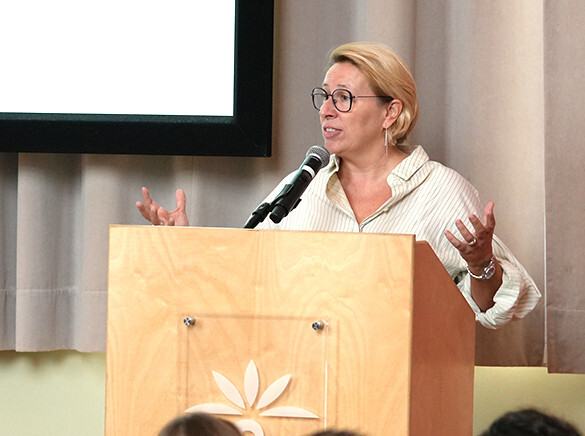
Caroline Gennez, Flemish Minister for Welfare and Public Health: “The coronavirus crisis has taught us that a government must not wait until a crisis breaks out before making preparations. With the Medical Reserve Unit, we ensure that additional medical expertise is quickly made available when the normal healthcare system comes under unexpected pressure. But this reserve can only exists thanks to volunteers who are prepared to take on responsibility. I would therefore like to express my sincere thanks to these hundred doctors and nurses. They voluntarily devote their time and expertise to helping others when it is needed most. Thanks to their commitment, Flanders is better equipped to cope with crises, and recent years have shown just how vital this is.”
Ready for a two-week deployment within 48 hours
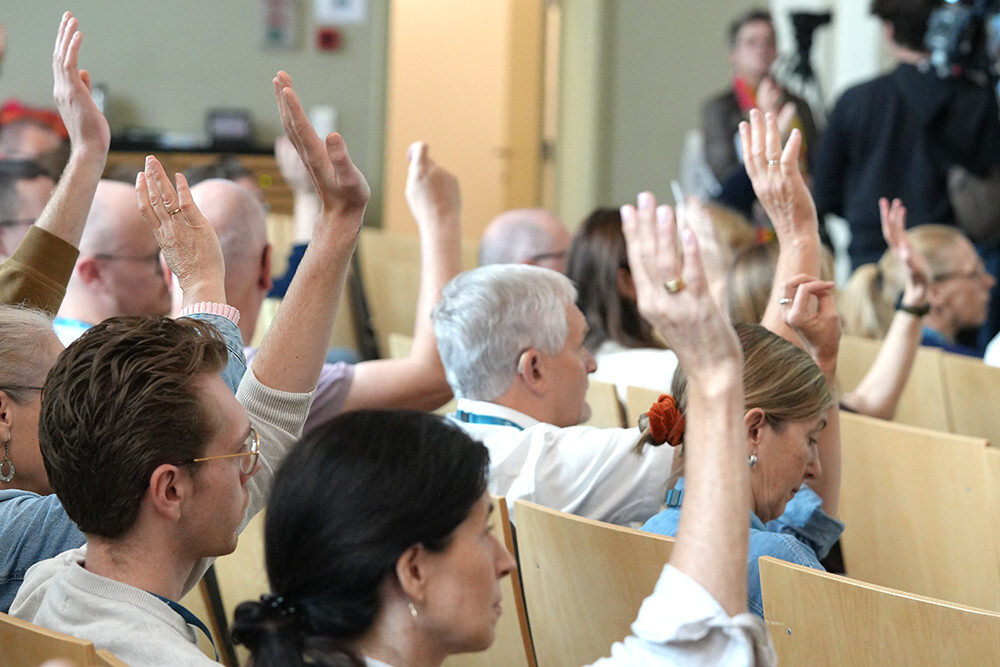
The Medical Reserve Unit is a pool of medical volunteers who can be called upon to be deployed temporarily to rapidly scale up specific tasks in the event of a health crisis, such as an outbreak of an infectious disease. Today, the first 100 volunteers have started their training, but in future we will need even more, and the Red Cross Flanders will recruit further nurses and doctors for the MRE.
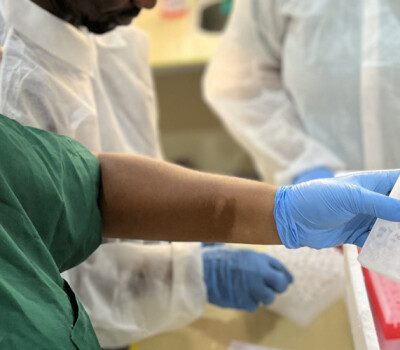
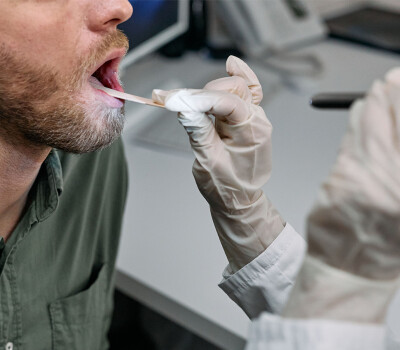
The volunteers can then be deployed, amongst other things, to test and vaccinate people, carry out source and contact tracing, or support other measures to bring an outbreak under control. They can also provide short-term support in delivering care during the initial phase of an outbreak or other unexpected crisis.
These are medical volunteers who are active within the Red Cross Flanders. In the event of a health crisis, they may be called upon by the Department of Care and will be available for deployment after 48 hours for a maximum of two weeks. In this way, the MRE provides temporary reinforcement to bridge the initial, unexpected impact of a health crisis, until the normal care and crisis structures have further organised themselves and scaled up.
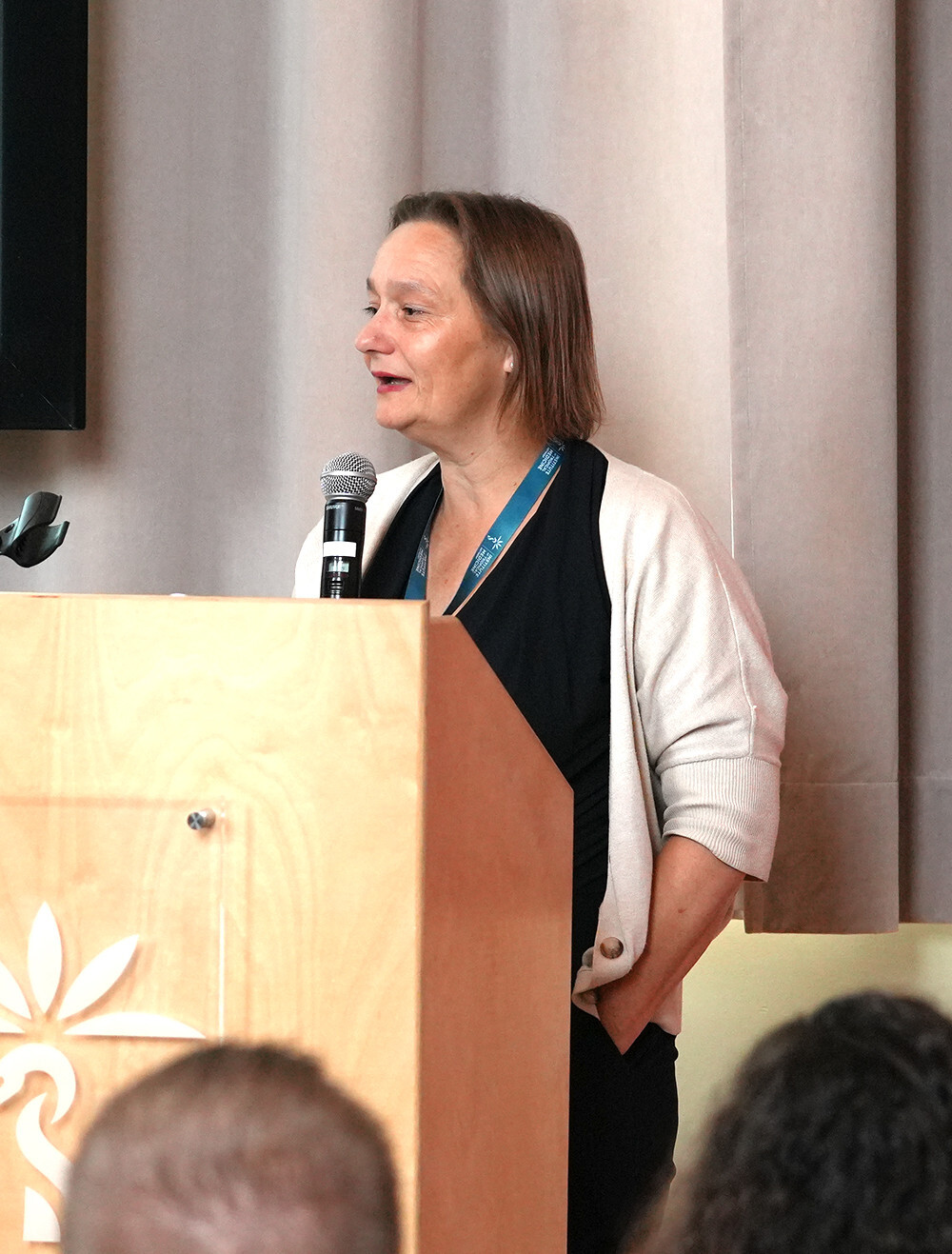
Training on outbreaks, vaccination and personal protective equipment
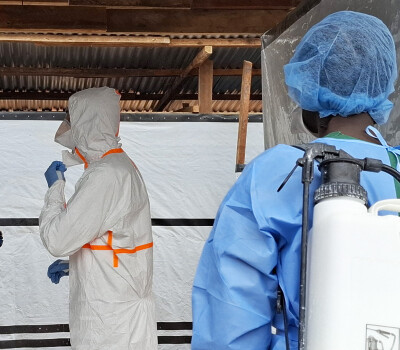
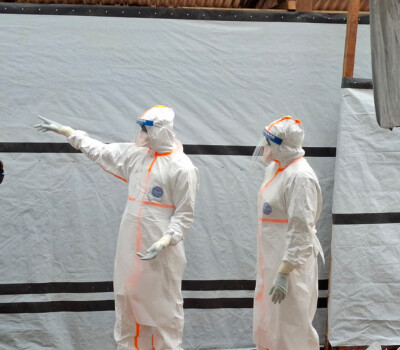
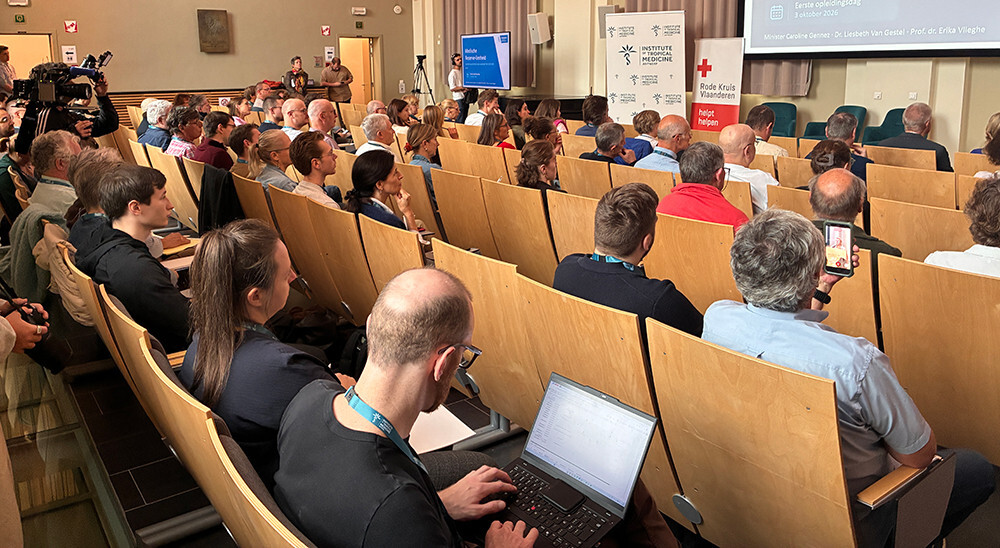
During the training day at the Institute of Tropical Medicine, volunteers deepen their knowledge of infectious diseases and outbreak control: from preventive measures such as personal protective equipment and vaccination to the risks of outbreaks in Flanders and the measures that can be taken to slow down or stop outbreaks. The crisis management structures in Belgium and the specific role of the Medical Reserve Unit within those structures are also explained.
The training is delivered in collaboration with experts and training partners from, amongst others, the Institute of Tropical Medicine, the University of Antwerp and the UZA. Erika Vlieghe and Steven Van Gucht, amongst others, share their knowledge with the volunteers.
A key partner in the development of the Medical Reserve Unit is Red Cross Flanders. They are jointly responsible for preparing the volunteers and ensure that they can gain practical experience through exercises and by providing medical assistance at major events. This ensures the volunteers are prepared not only medically but also operationally to work together quickly and effectively when a crisis arises.
“Disaster preparedness is something you build up before a crisis strikes. That is why we are now establishing a medical unit with carefully selected doctors and nurses,” says Jan Poté, spokesperson for the Red Cross Flanders. “These first hundred volunteers form the foundation of an even stronger MRE.” The Red Cross in Flanders is therefore continuing to seek new doctors and nurses who are willing to volunteer their expertise when a crisis requires additional medical support.
Spread the word! Share this story on
More stories
-
 - Articles
Final preparations underway for pivotal Phase 2/3 Bundibugyo vaccine trial
Tumaini, a pivotal Phase 2/3 clinical trial, will evaluate vaccine candidates including Ervebo as part of the DRC's outbreak response. There is currently no approved vaccine against Bundibugyo virus. Tumaini aims to close that gap.Read more -
- Articles
Who is at risk, and who is reached? Eight new insights into infection, care and prevention
With the Fresh Off The Journal series, we bring you our monthly research highlights.Read more -
- Articles
How a nurse from Sierra Leone broadened her perspective at ITM
Introducing graduate Fatmata Bintu KargboRead more -
- Articles
Connecting research, policy and partnerships for better access to cancer medicines
Tinashe Zigomo, a PhD candidate at the University of the Western Cape School of Public Health, reflects on a four-week visiting scholar period at ITM Antwerp, focused on access to essential breast cancer medicines in low-resource settings.Read more -
- Articles
An infectious disease anywhere is an infectious disease everywhere
From the frontlines of the current Ebola outbreak in Central Africa to the resurgence of drug-resistant TB in Europe, weakening global health systems make all of us less safe.Read more -
- Articles
Infectious disease specialist Isabel Brosius wins Eos Pipet 2026 for her leadership in mpox research
The jury praises her strong scientific work and pronounced societal engagement.Read more -
- Articles
Strong collaboration strengthens the response: how jointly developed sequencing expertise helps to unravel the Bundibugyo Ebola outbreak
When the current Bundibugyo Ebola outbreak emerged in the Democratic Republic of Congo, researchers at ITM’s partner institute, Institut National de Recherche Biomédicale (INRB), responded immediately. ITM Professor Koen Vercauteren talks about the role of long-term investment in sequencing technologies and scientific partnerships.Read more -
- Articles
"This research will have a far greater impact on the people of Tanzania than the PhD degree I have earned."
An interview with Dr Amani Kikula, a researcher in obstetrics and gynaecology from Tanzania.Read more -
- Articles
"Infectious diseases cannot be studied from one discipline alone"
Ahead of the 66th ITM Colloquium, scientific leads Prof Dr Johan van Griensven from the Institute of Tropical Medicine (ITM) in Antwerp and Dr Endalamaw Gadisa from the Armauer Hansen Research Institute (AHRI) in Addis Ababa discuss why mobility is central to understanding infectious diseases and why researchers need to look beyond their own discipline.Read more -
- Articles
Staying ahead of resistance: from bacteria to better care
With the Fresh Off The Journal series, we bring you our monthly research highlights.Read more