New study provides the first comprehensive overview of the Bundibugyo Ebola virus
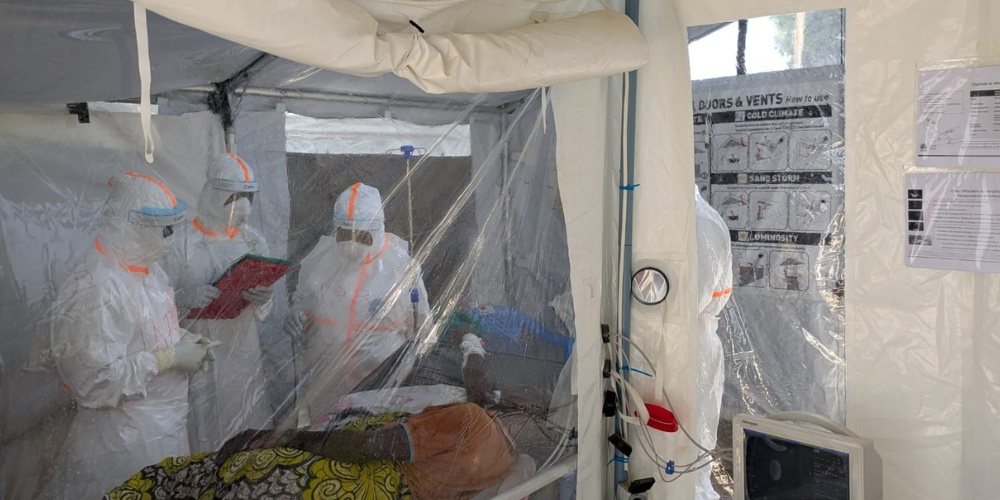
Little is yet known about the Bundibugyo Ebola virus. Prior to the current outbreak, the virus had only been detected on two previous occasions, leaving doctors and researchers with limited clinical and epidemiological data. The new MBOTE-BDBV study by the Congolese Institut National de Recherche Biomédicale (INRB) and the Institute of Tropical Medicine (ITM) in Antwerp, in collaboration with international partners, aims to change that.
There is still very little clinical and epidemiological data available on the Bundibugyo Ebola virus, largely because most previous Ebola outbreaks have been caused by the Zaire Ebola virus. Clinical data show which symptoms patients develop, how severe these are and how their condition progresses. Epidemiological data help researchers understand who becomes infected, where and when this happens, and how the virus spreads.
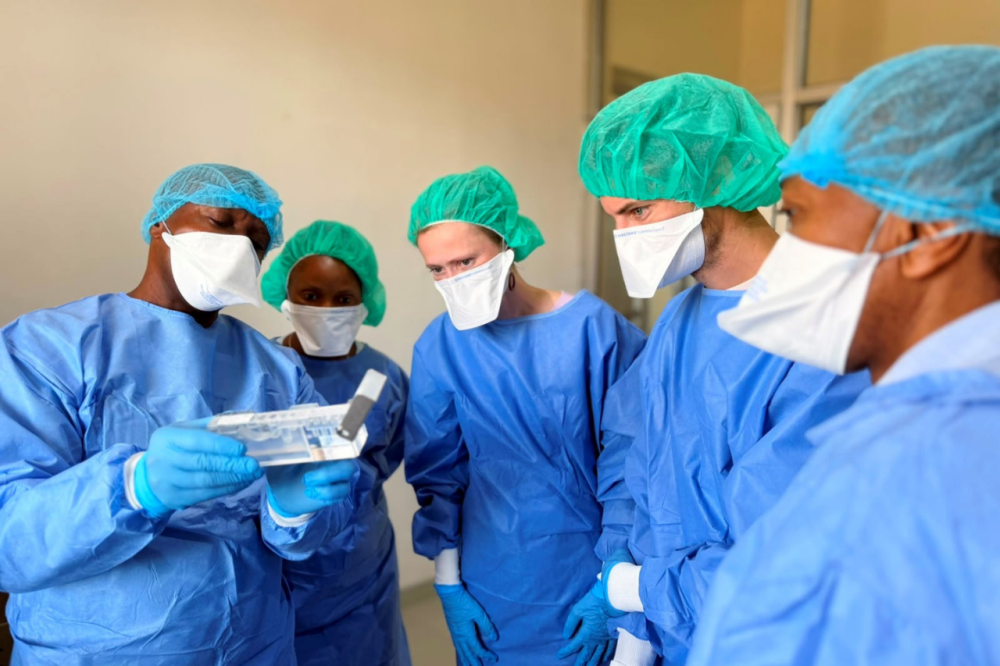
"This research grew out of a joint INRB-ITM programme to better understand diseases that cause public health emergencies. It is being carried out in the midst of the outbreak, in close collaboration with the teams caring for patients every day. By building our knowledge of Bundibugyo Ebola in the DRC, we are strengthening not only the response to this outbreak, but also our preparedness for future outbreaks.”
Professor Placide Mbala
virologist at INRB
From the first test
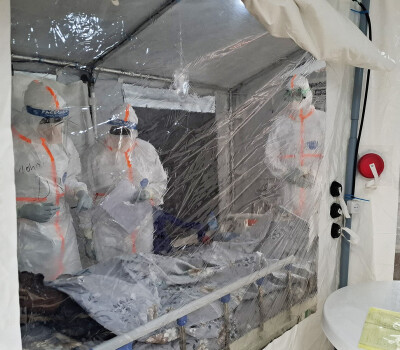
To obtain as complete a picture as possible, the study team follows patients as soon as they present at a treatment centre with suspicious symptoms. There, they are tested for the virus twice. This is an observational study, the researchers therefore do not determine which treatment a patient receives. Participants will receive standard care or one of the treatments being tested in the PARTNERS study, whilst the study team carefully records their symptoms, test results and the course of their illness.
By monitoring patients from the onset, the researchers can investigate how the disease progresses, which organs are affected during different stages of the disease, and which characteristics indicate a higher risk of complications.
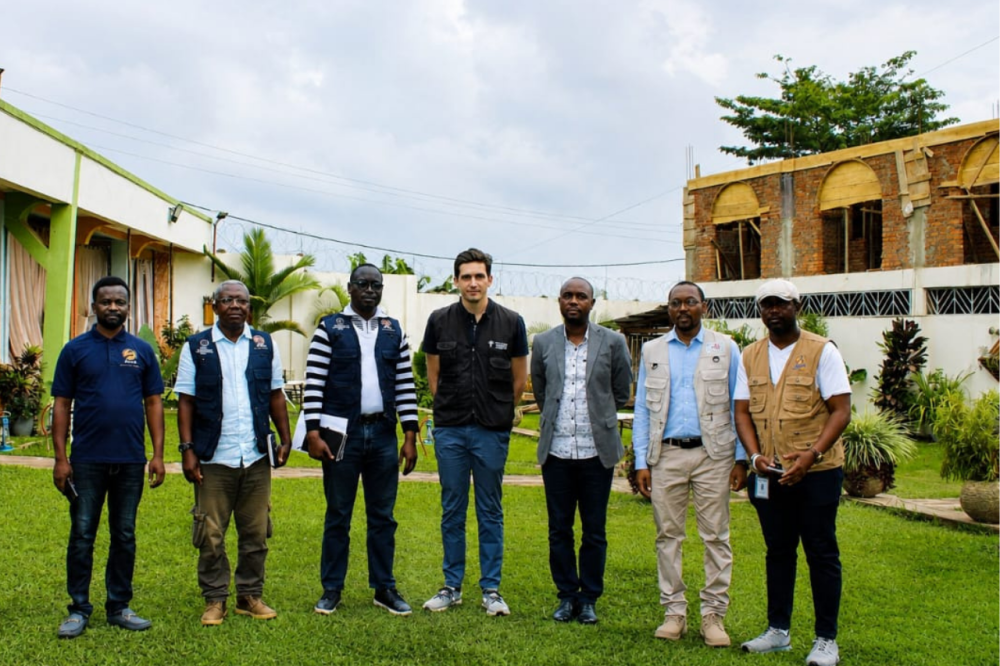
“We cannot assume that what we know about the Zaire Ebola virus also applies to Bundibugyo Ebola virus. We want to understand how the virus behaves in the body, how the immune system responds and why some patients become much more seriously ill than others.
Professor Laurens Liesenborghs
Infectious disease specialist and professor of emerging infectious diseases at ITM
Knowledge that can already help doctors
The MBOTE-BDBV study is a long-term one, but the information gathered may already be useful during the current outbreak. A better understanding of the initial symptoms and the course of the disease helps doctors recognise the disease more quickly and identify high-risk patients at an earlier stage.
In the longer term, the results may contribute to improved diagnostics and patient care. They may also help researchers to better determine which biological characteristics are associated with a severe course of the disease and what the long-term consequences of an infection are.
In parallel with the PARTNERS study
Whilst MBOTE-BDBV observes the course of the disease and the body’s response, PARTNERS is investigating whether two potential treatments can improve patients’ chances of survival. In this way, the two studies complement each other: one helps to better understand the virus and the disease, while the other seeks effective treatment.
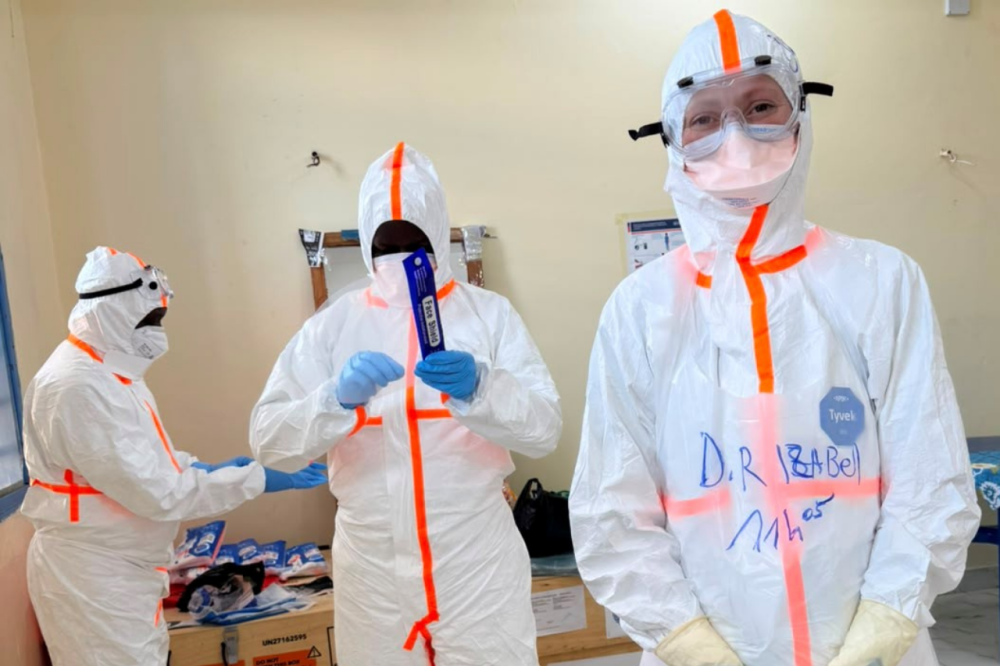
“The insights from this study can help us during this outbreak, at the same time, we are laying a foundation of clinical, virological and immunological data on which further research can build.”
Isabel Brosius
Infectious disease specialist and researcher in emerging infectious diseases at ITM
International collaboration
The study is led by the Institut National de Recherche Biomédicale (INRB) and the Institute of Tropical Medicine (ITM). The treatment centres are managed by the medical aid organisation ALIMA. The Institut National de Santé Publique, Africa CDC, the University of Oxford and the World Health Organisation are also collaborating on the research.
The study is made possible thanks to support from the Belgian Directorate-General for Development Cooperation and Humanitarian Aid (DGD).
Spread the word! Share this story on
More stories
-
 - Press releases
A study into two treatments for the Bundibugyo virus is set to begin in Bunia
Since the outbreak began, more than 1,400 people have been infected and more than 430 have died.Read more -
- Press releases
Launch of the IMPACT project to develop the first antibody-based countermeasure for orthopoxviruses
ITM brings mpox cohorts and antibody expertise to IMPACTRead more -
- Press releases
Tiger mosquito season begins
Since 2022, the tiger mosquito has already been observed in 40 municipalities.Read more -
- Press releases
Be-IMPACT aims to prevent and improve treatment of malaria in returning travellers
Rising resistance complicates treatment.Read more -
- Press releases
"I thought it wouldn't happen to me": why HIV prevention is not reaching everyone yet
Lack of knowledge, stigma and inequality are still major barriers to HIV prevention.Read more -
- Press releases
People who experienced mpox suspected to have long-term protection against reinfection
International follow-up study on booster vaccinationRead more -
- Press releases
New technologies boost fight against infectious diseases worldwide
International researchers gather in Antwerp to discuss innovations in healthcareRead more -
- Press releases
Even legally allowed amounts of antibiotics in food can cause resistance.
Study reveals hidden risk in food.Read more -
- Press releases
Five design teams shortlisted to develop the future vision for ITM.
Masterplan strengthens ITM as an international driver of science, innovation and health in AntwerpRead more -
- Press releases
New study reveals the scale of severe medicine shortages in Gaza
People are dying not only from bombs but also from lack of medicines.Read more