"I thought it wouldn't happen to me": why HIV prevention is not reaching everyone yet
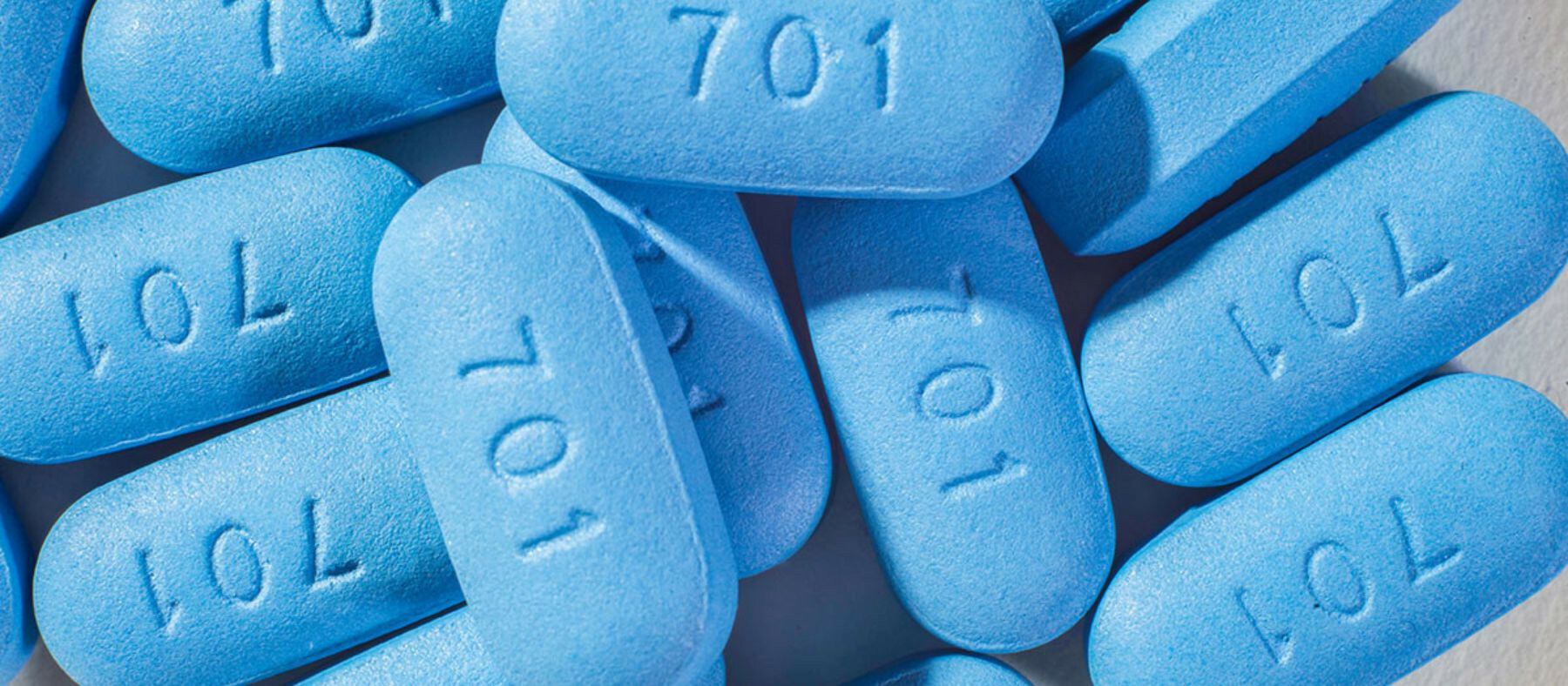
The number of new HIV diagnoses in Belgium has been rising for four years (Sciensano), despite the availability of effective HIV prevention tools. ITM researchers interviewed people who were recently diagnosed with HIV to understand where the missed opportunities for HIV prevention lie, particularly regarding PrEP (medication that can prevent HIV infection). Their testimonies show that a lack of knowledge, stigma and inequality are still major barriers. The researchers have formulated eight recommendations to make HIV prevention more accessible.
"We see very diverse stories in our HIV clinic," says Thibaut Vanbaelen, physician at ITM. "Many people are positive about PrEP, but the road to get it is not so straightforward for everyone. Prevention goes beyond availability alone."
From personal doubts to structural exclusion
People do not take up PrEP or other HIV prevention tools for many different reasons. "Some don’t know about PrEP or don’t see themselves as being at risk — for example, people who do not identify with high-risk groups, such as men who identify as heterosexual, or young people for whom HIV seems less threatening," says Gert Scheerder, researcher at ITM’s Unit of Sexual Health including HIV. "People in precarious situations may perceive prevention as less of a priority, while others hesitate because of the cost or possible side effects."
Interpersonal dynamics also play a role. Talking about condoms or PrEP remains difficult, often due to shame or fear of rejection. "Among some men who have sex with men (MSM), we see that partners do not make clear agreements about protected sex outside their relationship, so they may be less aware of the risk," Scheerder explains. In addition, sex under the influence of drugs (as in chemsex) can increase risk.
Obstacles also arise within the healthcare system. Not all GPs or care providers initiate conversations about PrEP, meaning that some people are not aware that it exists or that they are eligible. In cooperation with Domus Medica, UZ Gent and Sensoa, ITM developed an e-learning module with basic information about PrEP and guidance on how healthcare providers can discuss it.
Finally, people without Belgian health insurance do not have access to PrEP. "This is a major barrier for vulnerable groups, such as MSM with a migration background. Especially when they are new to Belgium, they are often unfamiliar with the healthcare system," Scheerder adds.
About the study
For the study, ITM interviewed 21 people who were diagnosed with HIV in the past year and are patients at the institute’s HIV clinic. The interviews explored their knowledge of and attitudes towards PrEP, their perception of risk, and the circumstances surrounding their diagnosis.
The study was funded by the Fonds Wetenschappelijk Onderzoek (FWO) and Antwerp Diner.
Eight recommendations for better HIV prevention and access to PrEP
The researchers make eight recommendations for policymakers, organisations and professionals to improve HIV prevention and access to PrEP in Belgium.
"With these recommendations, we aim to make HIV prevention more inclusive and accessible," concludes Scheerder. "By lowering barriers, we not only reduce the number of new HIV diagnoses, but also tackle inequality and strengthen public health."
(1)
Give GPs and community organisations a more active role in discussing PrEP.
(2)
Ensure that people without health insurance also have access to PrEP.
(3)
Encourage follow-up and mid-term assessment of HIV risk after a person stops taking PrEP.
(4)
Actively offer PrEP to people who engage in chemsex.
(5)
Use HIV testing moments as opportunities to give advice on PrEP.
(6)
Break down taboos, prejudices and misinformation about condoms and PrEP.
(7)
Offer more psychological support to vulnerable groups at risk of HIV.
(8)
Develop campaigns with clear, targeted information about PrEP.
Spread the word! Share this story on
More stories
-
 - Press releases
First participant vaccinated in pivotal Phase 2/3 Bundibugyo vaccine trial in DRC
There is currently no approved vaccine against Bundibugyo virus. Tumaini aims to close that gap.Read more -
- Press releases
Institute of Tropical Medicine welcomes four new members to its Board of Governors
New appointments strengthen expertise in innovation, global health and strategic leadership as ITM shapes its future.Read more -
- Press releases
Could vaccines against Zaire Ebola virus also protect against Bundibugyo virus?
EBO-BOOST-BRIDGE analyses blood samples from over 600 people vaccinated against the Zaire ebolavirus.Read more -
- Press releases
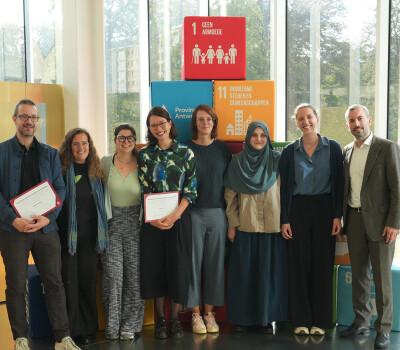
Three ITM alumni win Global Research Award of the province of Antwerp
With this award, the province honours the research of thirteen promising young researchers.Read more -
- Press releases
A study into two treatments for the Bundibugyo virus is set to begin in Bunia
Since the outbreak began, more than 1,400 people have been infected and more than 430 have died.Read more -
- Press releases
Launch of the IMPACT project to develop the first antibody-based countermeasure for orthopoxviruses
ITM brings mpox cohorts and antibody expertise to IMPACTRead more -
- Press releases
Tiger mosquito season begins
Since 2022, the tiger mosquito has already been observed in 40 municipalities.Read more -
- Press releases
Be-IMPACT aims to prevent and improve treatment of malaria in returning travellers
Rising resistance complicates treatment.Read more -
- Press releases
People who experienced mpox suspected to have long-term protection against reinfection
International follow-up study on booster vaccinationRead more -
- Press releases
New technologies boost fight against infectious diseases worldwide
International researchers gather in Antwerp to discuss innovations in healthcareRead more