Be-IMPACT aims to prevent and improve treatment of malaria in returning travellers
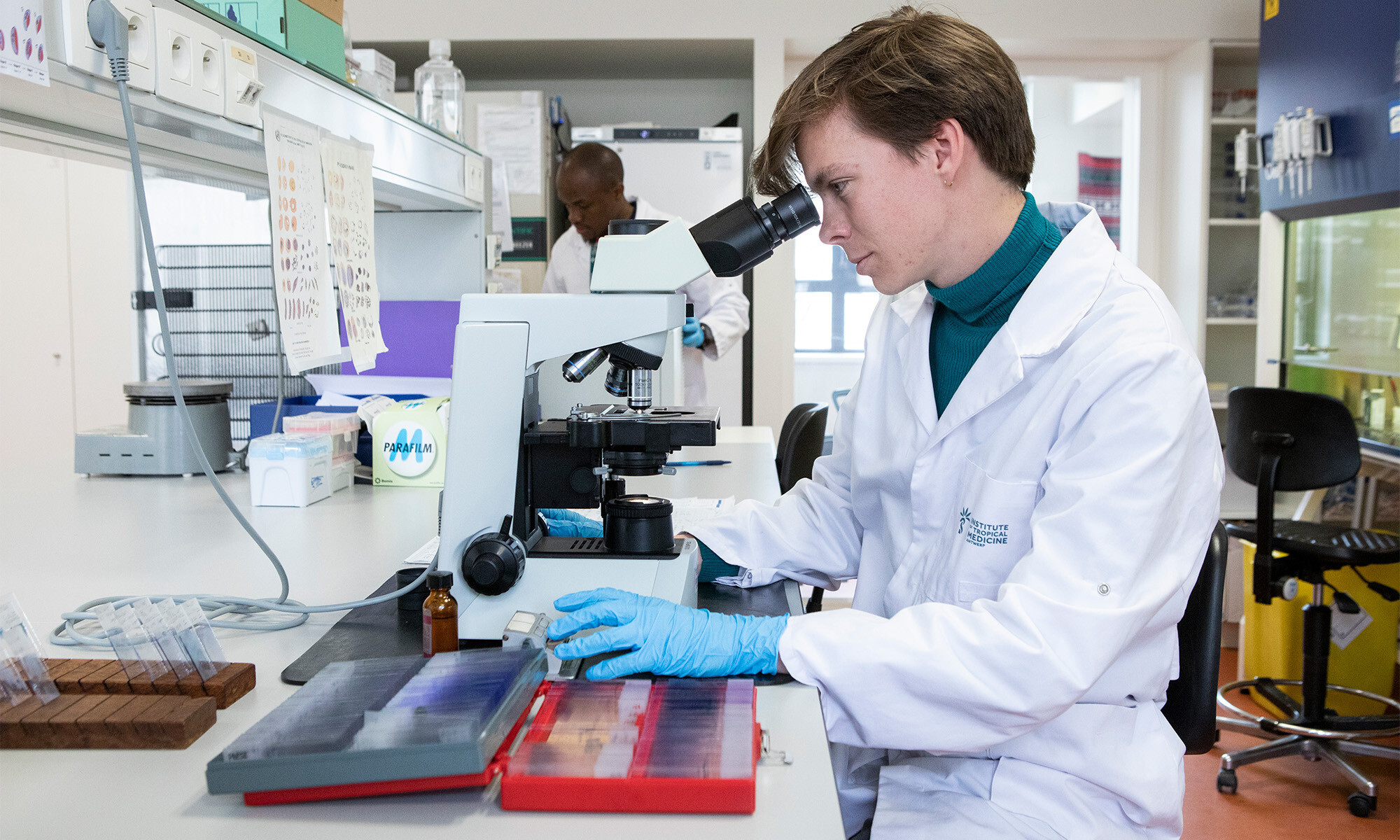
The Institute of Tropical Medicine (ITM) in Antwerp is launching the be-IMPACT project, a national initiative responding to rising malaria cases among returning travellers and increasing treatment failure, often due to parasite resistance to drugs. To this end, ITM is collaborating in a network of eight academic hospitals in Flanders, Wallonia and Brussels. The project will run until the end of 2028.
The number of malaria infections in travellers in Belgium has doubled in the past decade, peaking at 507 cases in 2023.
At the same time, malaria parasites becoming resistant to first-line treatment are causing concern.
Be-IMPACT examines these challenges in a multidisciplinary way, focusing on travellers’ behaviour, medical follow-up and the malaria parasite.
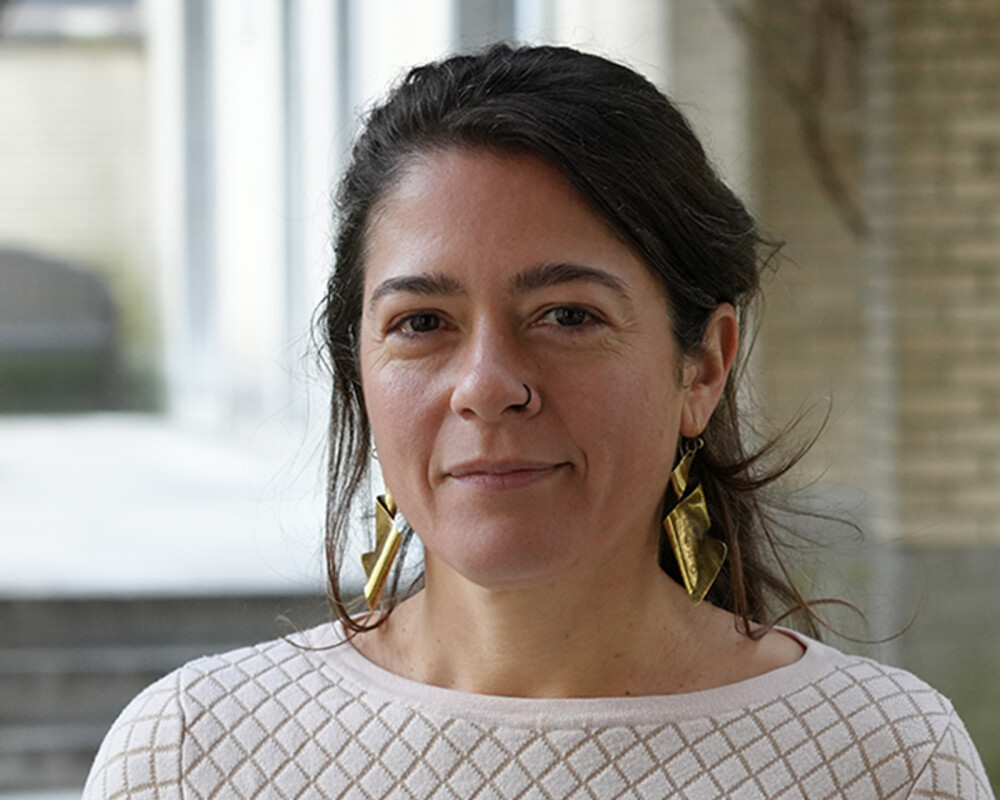
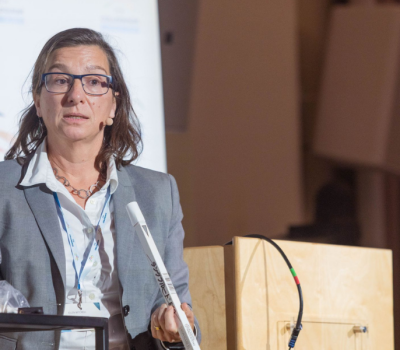
"In the eight specialised clinics together, we see about 70% of malaria cases in Belgium," says Professor Anna Rosanas-Urgell, principal investigator of be-IMPACT and Head of the Unit of Malariology at ITM. "The combination of clinical, laboratory and social science expertise at ITM allows us to target key blind spots around travellers’ behaviour, medical follow-up and parasite resistance, thereby strengthening prevention and care for malaria patients across Belgium."
Research on three fronts
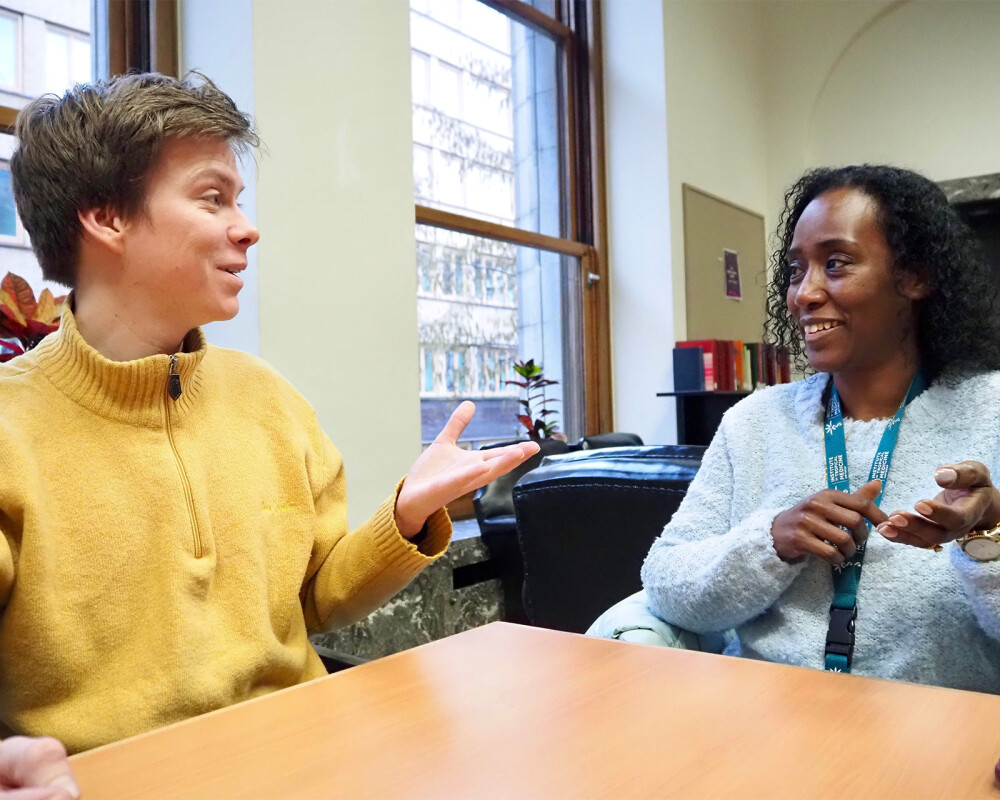
The project combines three fields of research. Social scientists study the behaviour and risk perceptions of travellers. They investigate why some travellers do not always use malaria preventive methods and how prevention can be better tailored to their needs.
Physicians evaluate whether current malaria treatments are still sufficiently effective. Their goal is to make sure that patient care is managed and followed up in the same way in every hospital in the Belgian network.
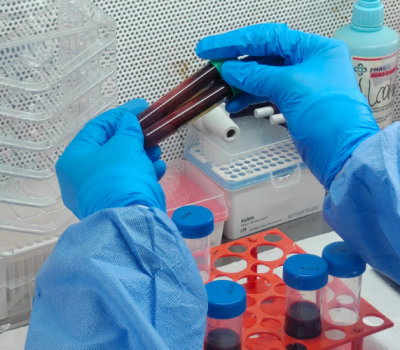
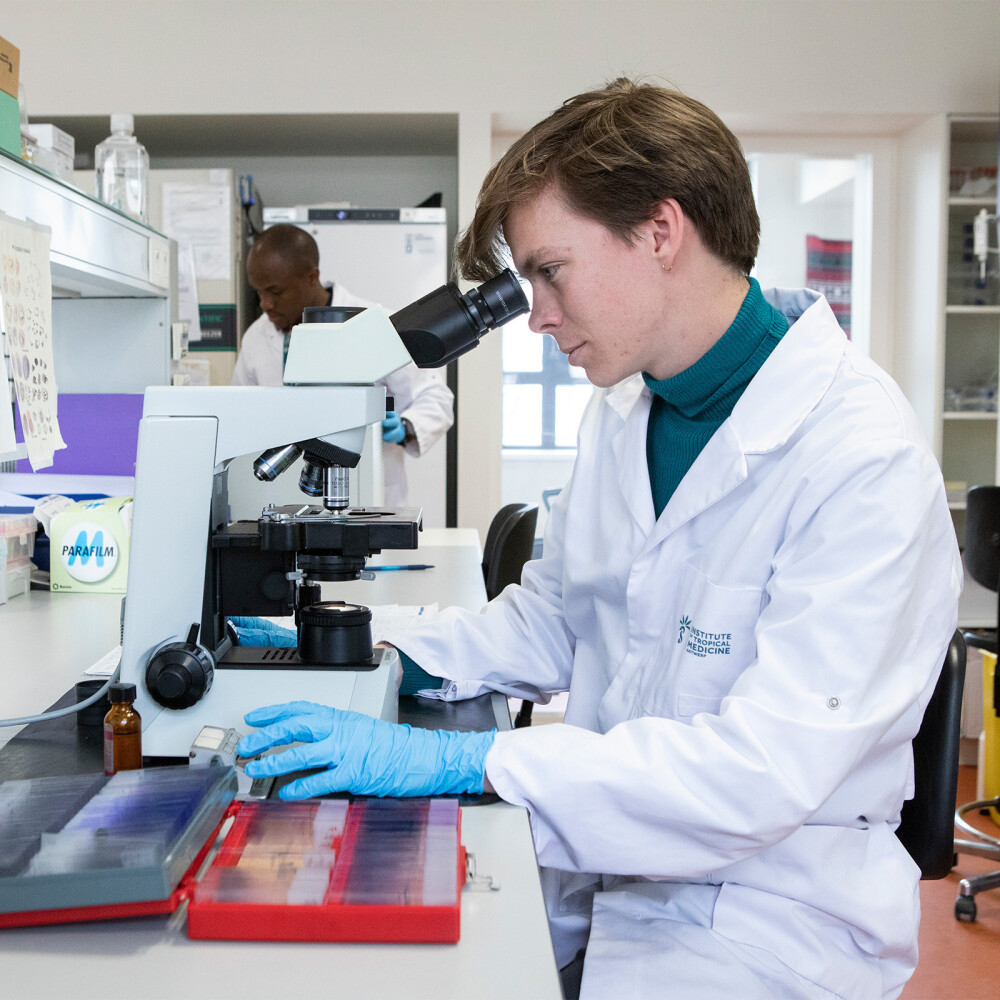
In the laboratory, researchers analyse parasites from samples from the various Belgian hospitals. This provides insight into how often parasite resistance to treatment occurs, which treatments no longer work well, and where the infection was contracted. That information is especially important when someone becomes infected without travelling to a malaria endemic area (so-called airport malaria), or in patients with a complex travel history.
Towards uniform guidelines
Be-IMPACT is unique in its set-up: for the first time, hospitals in Flanders, Wallonia and Brussels are carrying out malaria research together. Through annual workshops with physicians, policymakers and government bodies, harmonised prevention and treatment guidelines are developed that everyone in the field can apply.
“At Saint-Pierre University Hospital, we treat more than a hundred cases of malaria every year,” says Dr Martin Vandeputte, physician at CHU Saint-Pierre, Brussels. “This clinical field experience will directly contribute to the Be-IMPACT project and strengthen the data quality. Through the national multicentre network, these data will lead to more consistent and effective care for malaria patients in Belgium.”
The be-IMPACT network includes: the Institute of Tropical Medicine, UZ Antwerpen, UZ Gent, UZ Brussel, UMC Saint-Pierre and UMC Saint-Luc in Brussels, CHU Sart-Tilman in Liège, and CHU Humani – Marie Curie in Charleroi.
Be-IMPACT is funded by the WEWIS Department of the Flemish government.
The road to malaria elimination
"We need sustained funding and a lot of political will and agreements. The effort has to be maintained until malaria is eliminated. If you stop, any gain is lost." Anna Rosanas-Urgell shares her personal experiences and insights from the ongoing fight against malaria in the third season of our ITM podcast Transmission.
Spread the word! Share this story on
More stories
-
 - Press releases
Institute of Tropical Medicine welcomes four new members to its Board of Governors
New appointments strengthen expertise in innovation, global health and strategic leadership as ITM shapes its future.Read more -
- Press releases
Could vaccines against Zaire Ebola virus also protect against Bundibugyo virus?
EBO-BOOST-BRIDGE analyses blood samples from over 600 people vaccinated against the Zaire ebolavirus.Read more -
- Press releases
Three ITM alumni win Global Research Award of the province of Antwerp
With this award, the province honours the research of thirteen promising young researchers.Read more -
- Press releases
A study into two treatments for the Bundibugyo virus is set to begin in Bunia
Since the outbreak began, more than 1,400 people have been infected and more than 430 have died.Read more -
- Press releases
Launch of the IMPACT project to develop the first antibody-based countermeasure for orthopoxviruses
ITM brings mpox cohorts and antibody expertise to IMPACTRead more -
- Press releases
Tiger mosquito season begins
Since 2022, the tiger mosquito has already been observed in 40 municipalities.Read more -
- Press releases
"I thought it wouldn't happen to me": why HIV prevention is not reaching everyone yet
Lack of knowledge, stigma and inequality are still major barriers to HIV prevention.Read more -
- Press releases
People who experienced mpox suspected to have long-term protection against reinfection
International follow-up study on booster vaccinationRead more -
- Press releases
New technologies boost fight against infectious diseases worldwide
International researchers gather in Antwerp to discuss innovations in healthcareRead more -
- Press releases
Even legally allowed amounts of antibiotics in food can cause resistance.
Study reveals hidden risk in food.Read more