A study into two treatments for the Bundibugyo virus is set to begin in Bunia
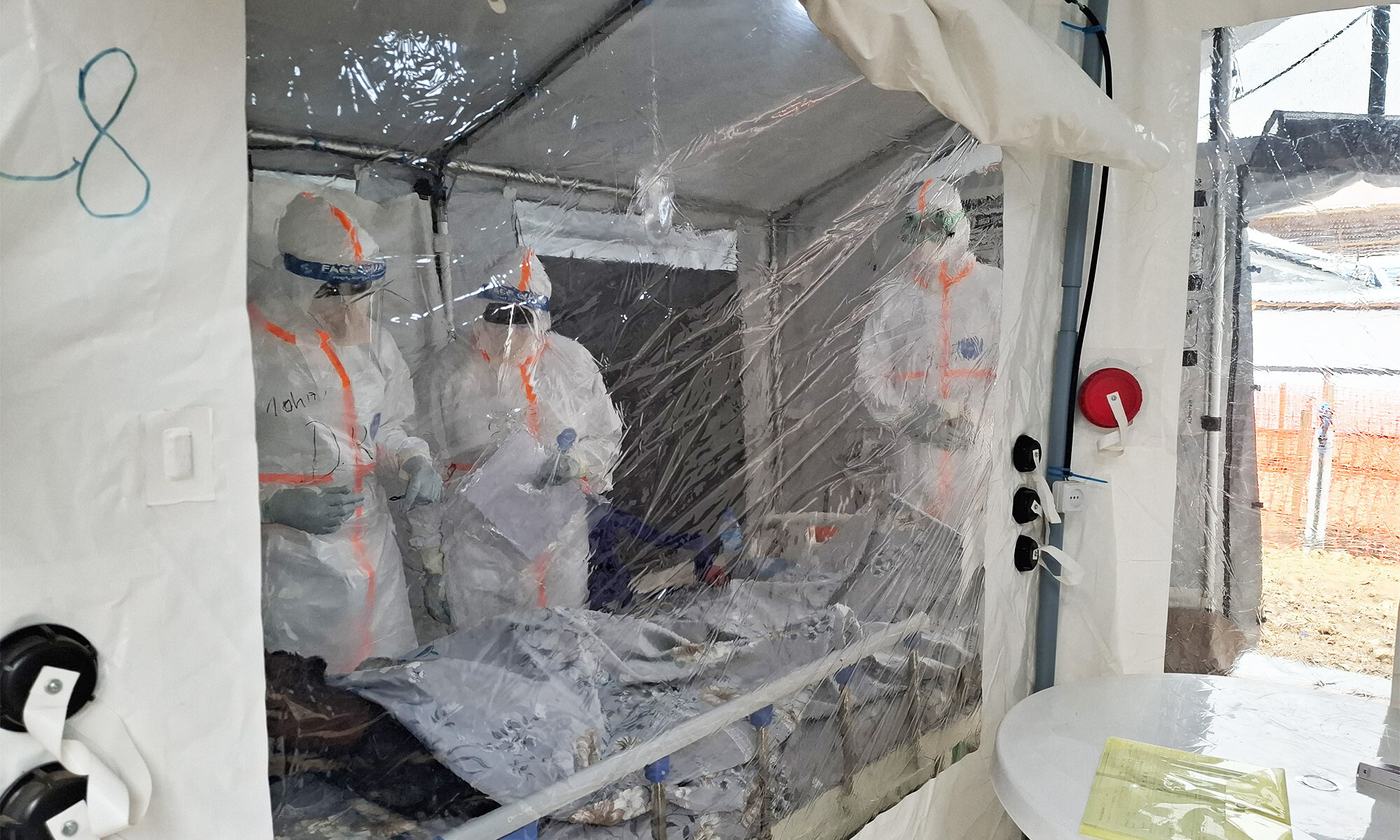
In Bunia, Democratic Republic of the Congo (DRC), a clinical trial into two potential treatments for the Bundibugyo virus is set to begin on 2 July 2026. There is currently no proven effective treatment for this variant of the Ebola virus. The PARTNERS trial will run for six months and aims to recruit between 700 and 1,000 participants. It is a collaboration between the Institute of Tropical Medicine (ITM), the Congolese Institut National de Recherche Biomédicale (INRB) and the University of Oxford, with the support of the World Health Organisation.
PARTNERS study
The researchers are testing two treatments: MBP134 and remdesivir. MBP134 is a monoclonal antibody – a cocktail of two specially engineered immune proteins that recognise and neutralise the virus – developed by Mapp Biopharmaceutical. Remdesivir is an antiviral drug developed by Gilead Sciences that has also been used in the treatment of COVID-19.
The researchers aim to investigate whether the treatments, either separately or in combination, improve the chances of survival for patients with the Bundibugyo virus.
ITM is supporting the study in the treatment centres.
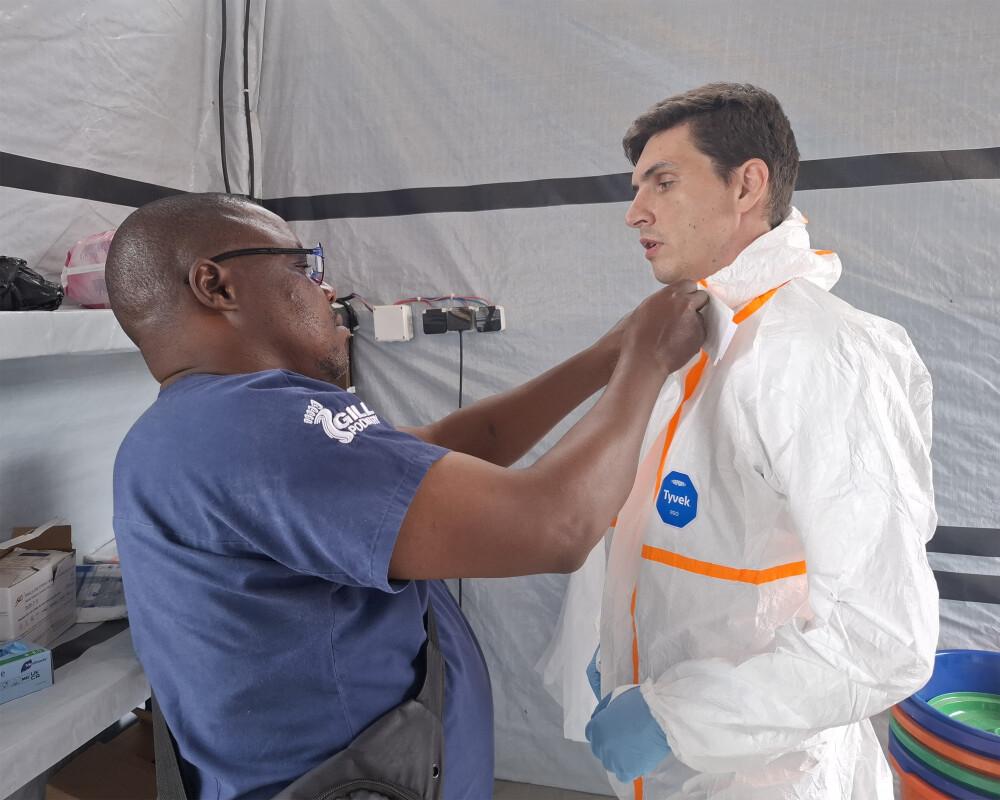
"With the PARTNERS study, we aim to identify treatments that can reduce the high mortality rate. In this way, we can offer patients and healthcare providers a new sense of hope," says Professor Laurens Liesenborghs, an expert in emerging infectious diseases at ITM. "This is crucial, first and foremost, for the people on the ground. But it is also important internationally: the better we can treat diseases locally and bring the outbreak under control, the better prepared we will be globally for future outbreaks."
Professor Placide Mbala, principal investigator at INRB, emphasises the importance of the study for the national response. "By integrating the PARTNERS study into our healthcare system and working closely with the Ministry of Health and healthcare teams across the country, we are ensuring that the study forms part of the national approach in the DRC."
Four groups
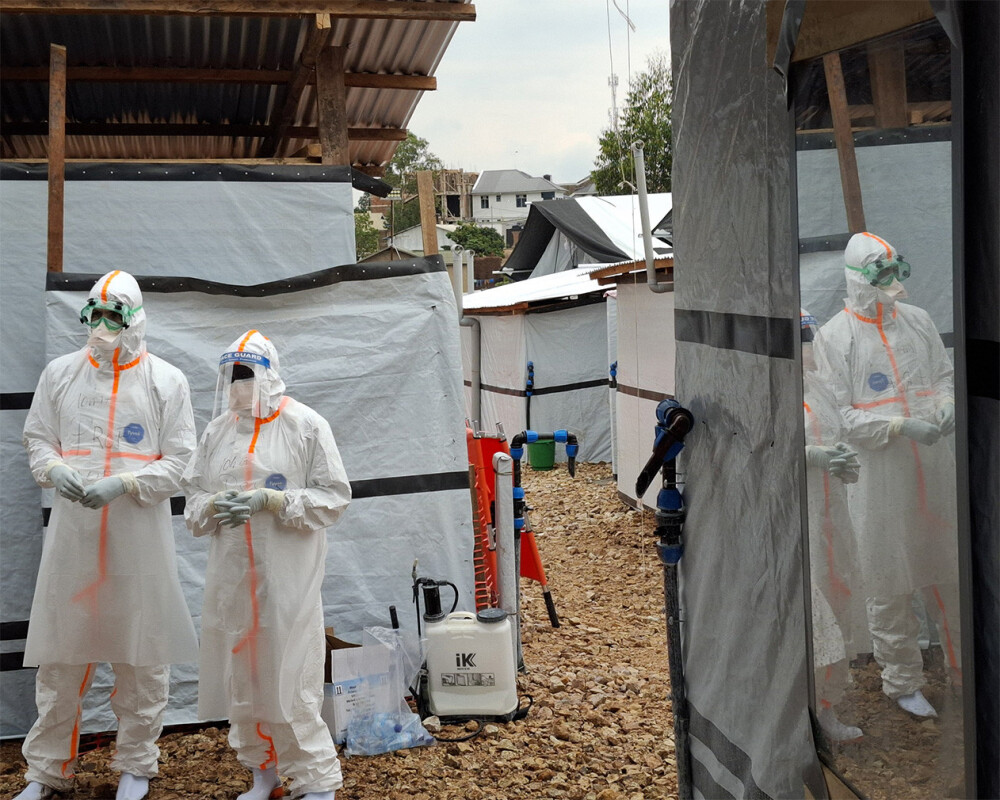
The study randomly assigns patients with the Bundibugyo virus to four groups. One group receives standard care: intensive support with fluid and salt administration, treatment of symptoms, and antibiotics or antimalarial drugs if secondary infections are suspected. Two other groups receive MBP134 or remdesivir in addition to the standard care. A fourth group receives a combination of both drugs.
The researchers will measure the effectiveness of the treatments based on the mortality rate 28 days after the start of treatment. If a treatment proves effective, it may later be offered to all patients.
International partnership
PARTNERS stands for 'Platform Adaptive Randomised Trial for New and Repurposed Filovirus Treatments'.
"One of the key lessons from recent outbreaks is that research must take place alongside the emergency response, not just afterwards," says Professor Amanda Rojek, international principal investigator for PARTNERS and associate professor of health emergencies at the Pandemic Sciences Institute, University of Oxford. "Through PARTNERS, we are working with Congolese and international experts to gather evidence that can improve patient care at the very moment and in the very place where it is most needed. At the same time, we want to ensure that communities affected by outbreaks benefit directly from the knowledge that is being generated."
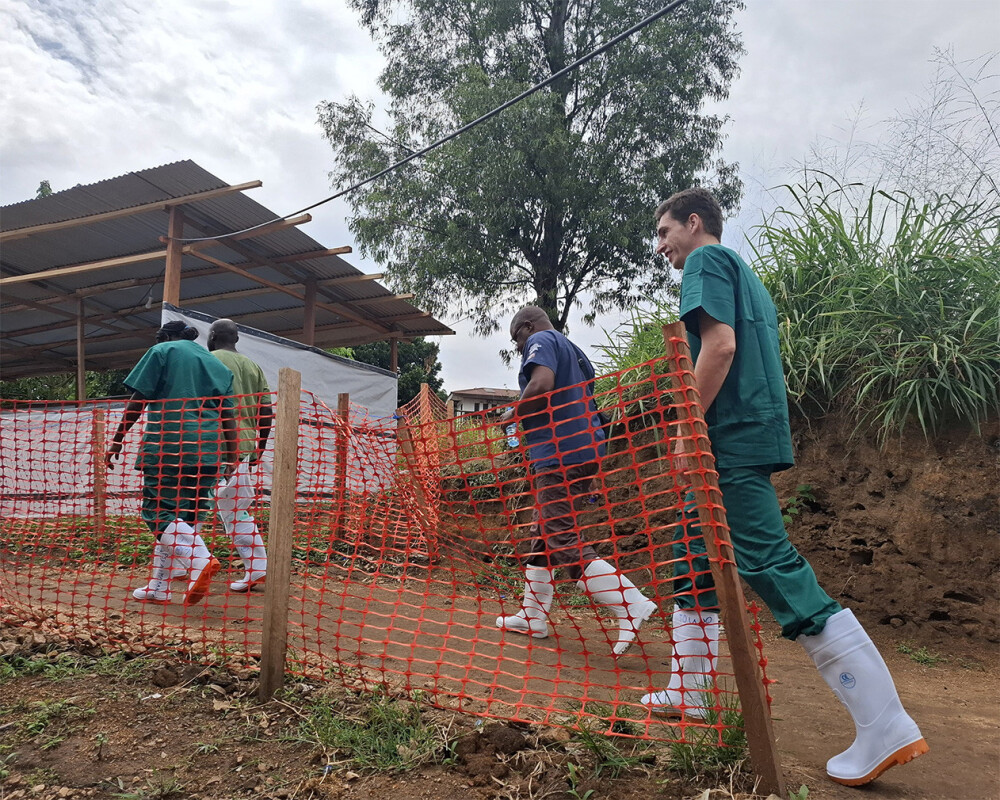
The study is a collaboration between ITM, INRB and the University of Oxford, with support from the World Health Organisation. It is being carried out in collaboration with the DRC Ministry of Health, ALIMA (Alliance for International Medical Action), and the outbreak response teams of Médecins Sans Frontières.
The study is made possible thanks to support from the Belgian Directorate-General for Development Cooperation and Humanitarian Aid (DGD), the Wellcome Trust, the Gates Foundation, the UK Foreign, Commonwealth & Development Office, and the Medical Research Council, part of UK Research and Innovation.
Spread the word! Share this story on
More stories
-
 - Press releases
Could vaccines against Zaire Ebola virus also protect against Bundibugyo virus?
EBO-BOOST-BRIDGE analyses blood samples from over 600 people vaccinated against the Zaire ebolavirus.Read more -
- Press releases
Three ITM alumni win Global Research Award of the province of Antwerp
With this award, the province honours the research of thirteen promising young researchers.Read more -
- Press releases
Launch of the IMPACT project to develop the first antibody-based countermeasure for orthopoxviruses
ITM brings mpox cohorts and antibody expertise to IMPACTRead more -
- Press releases
Tiger mosquito season begins
Since 2022, the tiger mosquito has already been observed in 40 municipalities.Read more -
- Press releases
Be-IMPACT aims to prevent and improve treatment of malaria in returning travellers
Rising resistance complicates treatment.Read more -
- Press releases
"I thought it wouldn't happen to me": why HIV prevention is not reaching everyone yet
Lack of knowledge, stigma and inequality are still major barriers to HIV prevention.Read more -
- Press releases
People who experienced mpox suspected to have long-term protection against reinfection
International follow-up study on booster vaccinationRead more -
- Press releases
New technologies boost fight against infectious diseases worldwide
International researchers gather in Antwerp to discuss innovations in healthcareRead more -
- Press releases
Even legally allowed amounts of antibiotics in food can cause resistance.
Study reveals hidden risk in food.Read more -
- Press releases
Five design teams shortlisted to develop the future vision for ITM.
Masterplan strengthens ITM as an international driver of science, innovation and health in AntwerpRead more