Erasmus+ mobility: training programme on field approaches of vector control strategies and West Nile virus screening
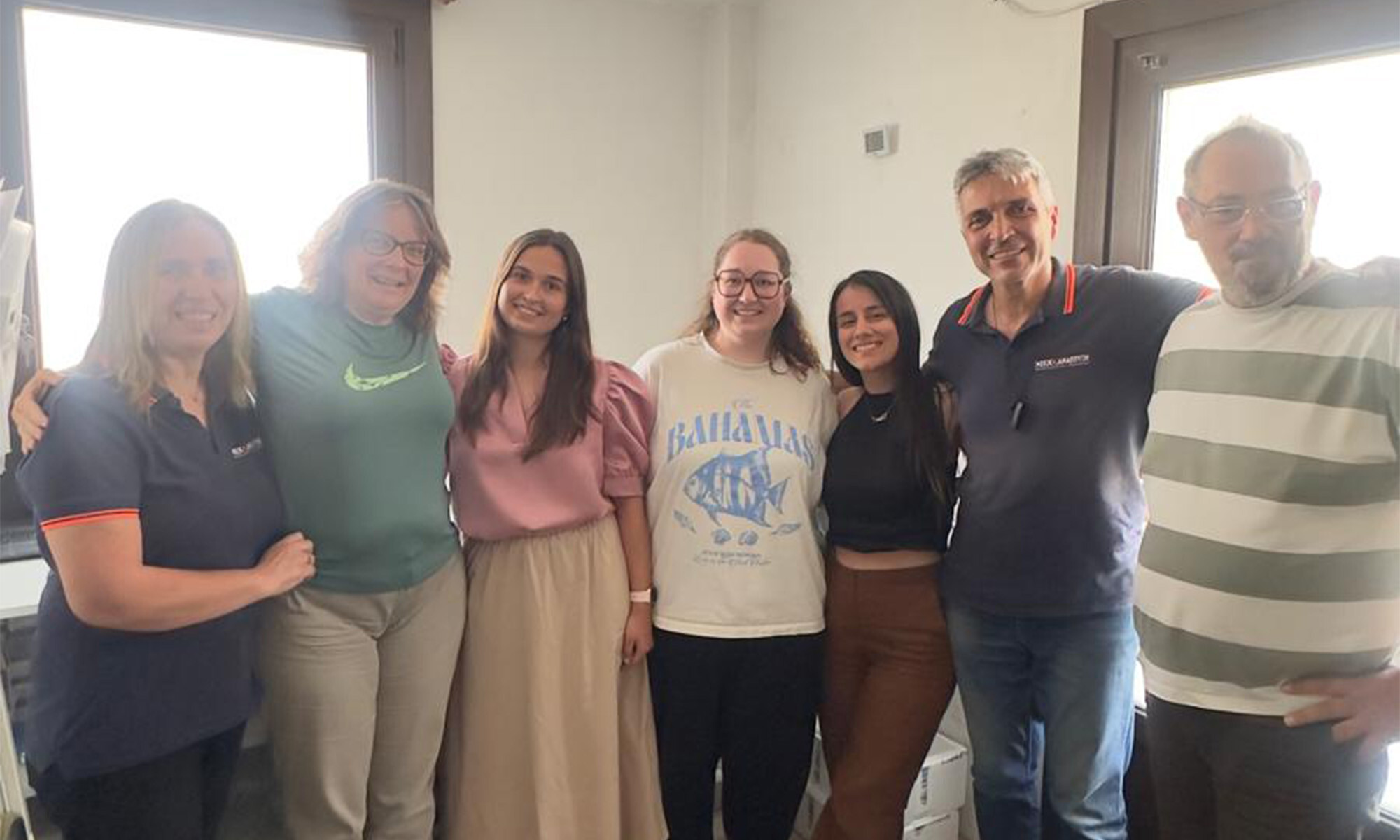
Stien Vereecken and Emma Vandenberghe, two ITM scientists from the Unit of Entomology, participated from 6 to 17 July in a specialised training programme at Ecodevelopment in Greece, with the support of an Erasmus+ staff mobility grant. Ecodevelopment is a Greek company and ITM partner with 30 years of experience in mosquito control.
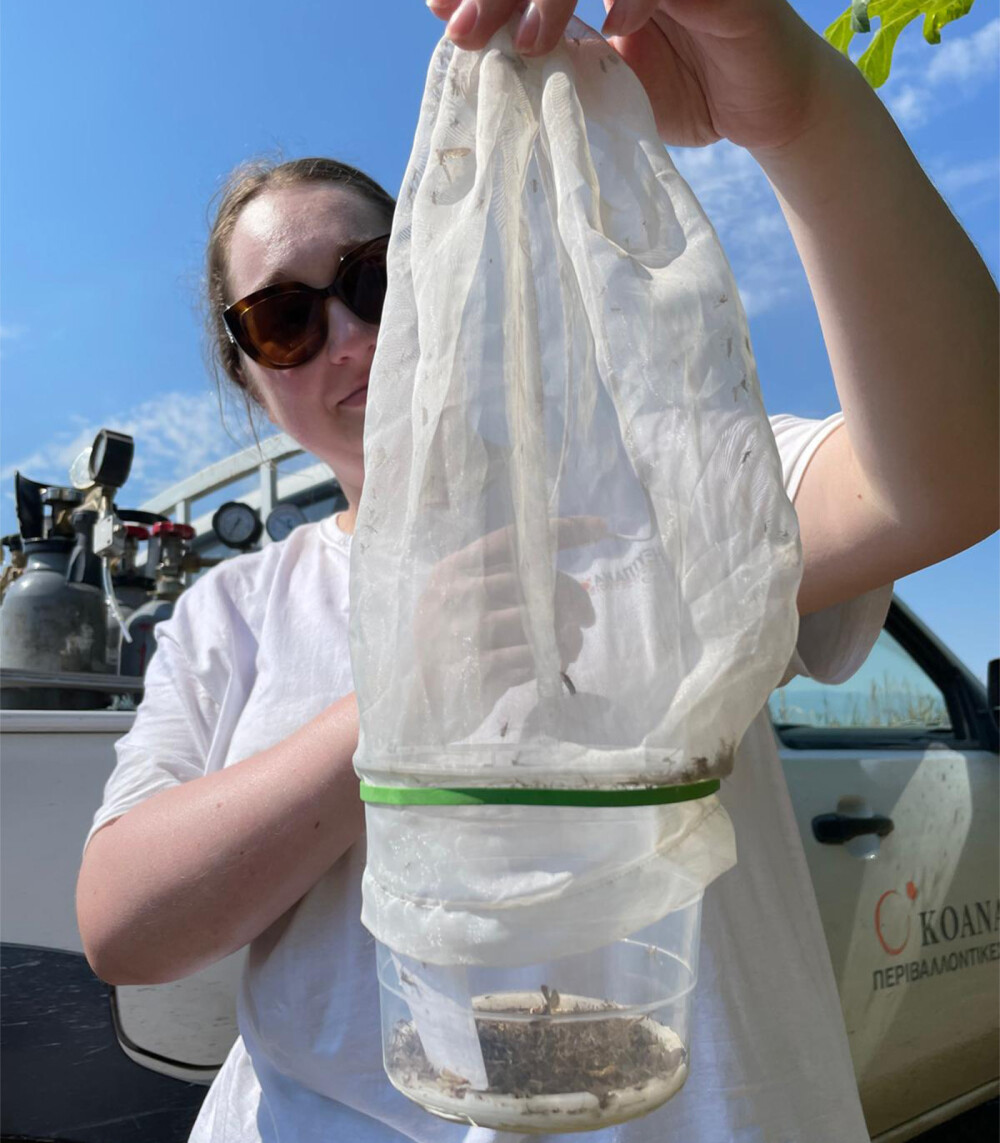
The two-week programme combined field training with modern methods of entomological data management and participation in laboratory procedures. During the training, the trainees were able to follow all different aspects related to mosquito control. They actively participated in the daily work of Ecodevelopment's scientists and technicians, both in the laboratory and in the field, under real-world conditions for the implementation of a wide-area mosquito control programme, specifically in the Region of Central Macedonia.
The field training activities took place in four distinct ecosystems: wetlands, the peri-urban system, the built (urban) environment, and rice fields. They included the identification of breeding sites, the sampling of mosquito larvae and adults, and familiarisation with larviciding methods.
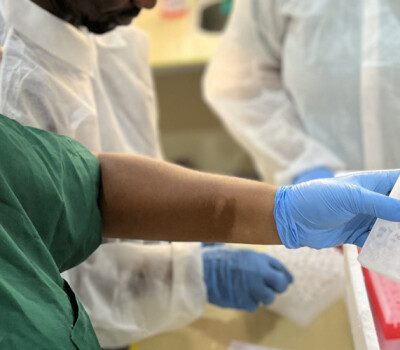
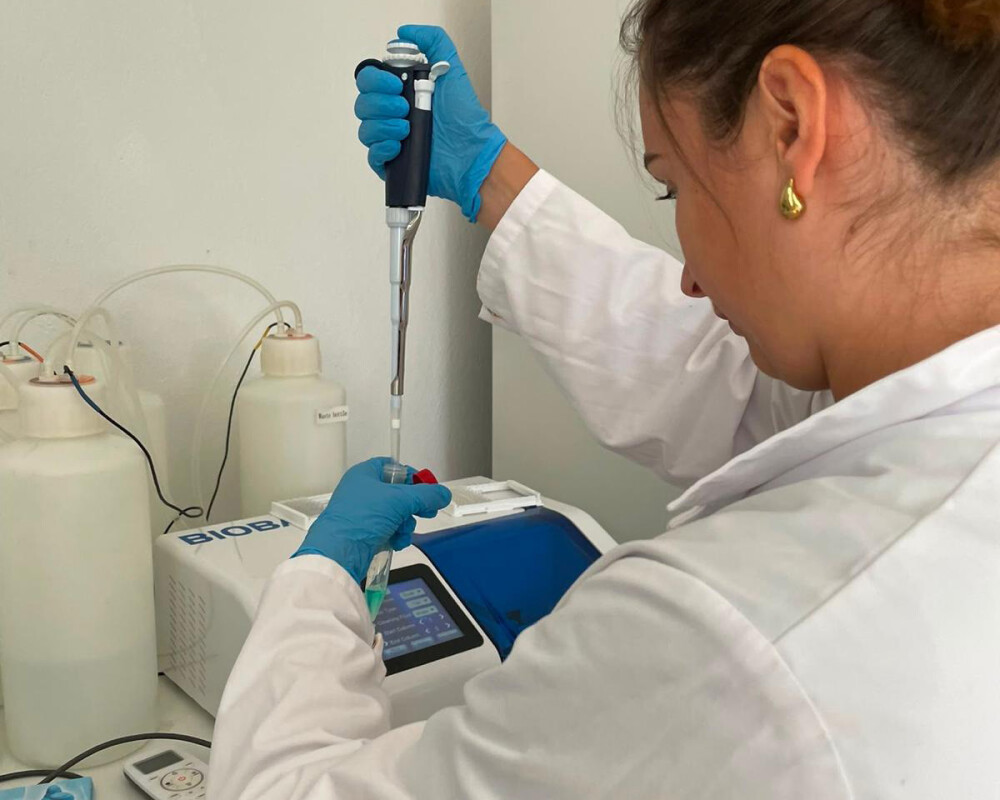
Particular emphasis was placed on using the eBite digital platform developed by Ecodevelopment to record field data, collecting and processing samples from CO2 traps and IoT devices, and classifying mosquitoes at the species level. At the same time, the basic laboratory and diagnostic procedures for monitoring West Nile virus were presented (molecular detection via PCR and serological testing of blood samples collected from young domestic chickens using ELISA).
"The training showed me the large scale that is needed to have an effective control programme and how all the different aspects are interconnected and how a tight collaboration between the government and company is needed to be effective. Seeing and experiencing the field work gave me a more complete picture of how field work is handled in another country and what can possibly be improved with our field work. The work in the lab showed the time sensitivity of sample analysis when there is virus circulating. In Greece there are more mosquitoes (compared to Belgium) that are a threat to the health of the people living there. Mosquitoes are prevalent in very large numbers, not only causing nuisance but also being (potential) vectors for pathogens such as plasmodium causing malaria or West Nile virus potentially causing encephalitis. The situation requires close-up collection of data and treatment to limit the risk of human cases. The combination of a precarious situation and an experienced company that is able to show all aspects of mosquito control and allows us to follow along and to learn about all aspects gave this training a lot of value", says Stien.
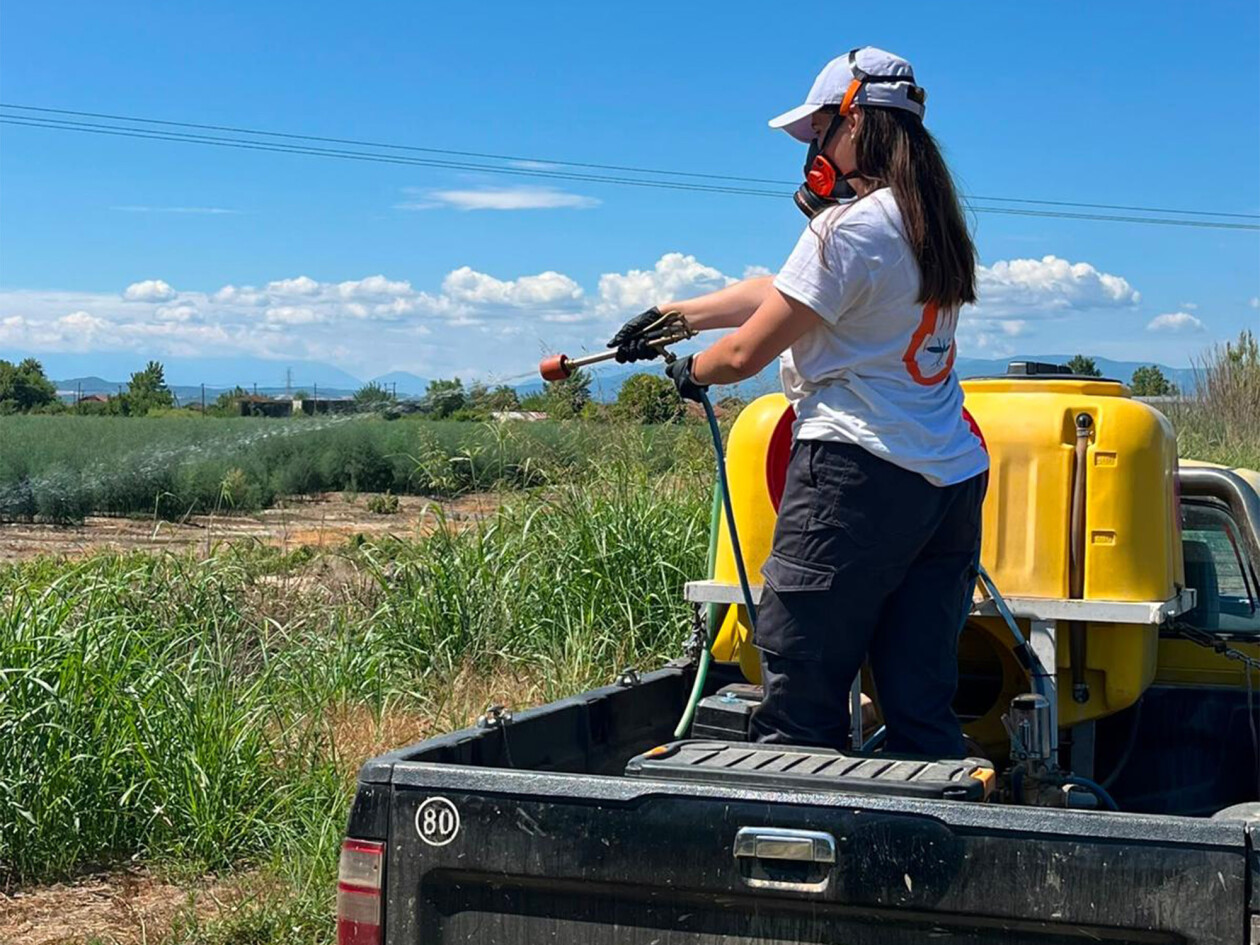
Regarding the added value of the mobility, Emma highlights the following: "The mobility provided valuable practical experience in mosquito surveillance and vector control within a well-established operational system in Greece. It allowed me to learn new field techniques, improve my mosquito identification skills, and gain practical knowledge of larval source management and control applications. The experience also helped me understand how mosquito surveillance and control strategies need to be adapted flexibly to different ecological and public health contexts.
Furthermore, I gained a clearer understanding of how surveillance data, field operations, and control measures are combined and coordinated to respond effectively to West Nile virus (WNV) circulation. These skills and insights will be valuable for my current work in Belgium, particularly in the context of mosquito surveillance and the increasing relevance of mosquito-borne diseases."
Erasmus+ mobility
We facilitate incoming and outbound student and staff mobility within and outside the EU for study, teaching and research purposes. Are you interested in Erasmus+ mobility opportunities? Review the information on the criteria and application process.
Spread the word! Share this story on
More stories
-
 - Articles
Final preparations underway for pivotal Phase 2/3 Bundibugyo vaccine trial
Tumaini, a pivotal Phase 2/3 clinical trial, will evaluate vaccine candidates including Ervebo as part of the DRC's outbreak response. There is currently no approved vaccine against Bundibugyo virus. Tumaini aims to close that gap.Read more -
- Articles
Who is at risk, and who is reached? Eight new insights into infection, care and prevention
With the Fresh Off The Journal series, we bring you our monthly research highlights.Read more -
- Articles
First 100 medical crisis intervention volunteers are undergoing training at ITM
One hundred volunteer doctors and nurses will form a Medical Reserve Unit (MRE) in Flanders that can be deployed rapidly in the event of acute, local health crises. They are gathering today for the first time for a training day on infectious diseases and outbreaks at the Institute of Tropical Medicine in Antwerp. They were welcomed by Caroline Gennez, the Flemish Minister for Welfare and Public Health, who will be providing 250,000 euros per year to the MRE over the next three years.Read more -
- Articles
How a nurse from Sierra Leone broadened her perspective at ITM
Introducing graduate Fatmata Bintu KargboRead more -
- Articles
Connecting research, policy and partnerships for better access to cancer medicines
Tinashe Zigomo, a PhD candidate at the University of the Western Cape School of Public Health, reflects on a four-week visiting scholar period at ITM Antwerp, focused on access to essential breast cancer medicines in low-resource settings.Read more -
- Articles
An infectious disease anywhere is an infectious disease everywhere
From the frontlines of the current Ebola outbreak in Central Africa to the resurgence of drug-resistant TB in Europe, weakening global health systems make all of us less safe.Read more -
- Articles
Infectious disease specialist Isabel Brosius wins Eos Pipet 2026 for her leadership in mpox research
The jury praises her strong scientific work and pronounced societal engagement.Read more -
- Articles
Strong collaboration strengthens the response: how jointly developed sequencing expertise helps to unravel the Bundibugyo Ebola outbreak
When the current Bundibugyo Ebola outbreak emerged in the Democratic Republic of Congo, researchers at ITM’s partner institute, Institut National de Recherche Biomédicale (INRB), responded immediately. ITM Professor Koen Vercauteren talks about the role of long-term investment in sequencing technologies and scientific partnerships.Read more -
- Articles
"This research will have a far greater impact on the people of Tanzania than the PhD degree I have earned."
An interview with Dr Amani Kikula, a researcher in obstetrics and gynaecology from Tanzania.Read more -
- Articles
"Infectious diseases cannot be studied from one discipline alone"
Ahead of the 66th ITM Colloquium, scientific leads Prof Dr Johan van Griensven from the Institute of Tropical Medicine (ITM) in Antwerp and Dr Endalamaw Gadisa from the Armauer Hansen Research Institute (AHRI) in Addis Ababa discuss why mobility is central to understanding infectious diseases and why researchers need to look beyond their own discipline.Read more