Hidden gaps, hidden costs: eight studies on outbreaks, care and resistance
Fresh Off The Journal: October 2026
Could rope squirrels help explain how mpox circulates in Central Africa? Why does free treatment for sleeping sickness still push patients into debt? And is routine screening for gonorrhoea and chlamydia always in the best interest of patients?
In this month's Fresh Off The Journal, ITM researchers and partners look at what happens before, during and after an outbreak. Their work ranges from the hidden diversity of animal reservoirs and the search for antivirals that work against several viruses at once, to the gaps in emergency care for mothers and newborns in rural Uganda, and the costs patients carry even when care is officially free. Further studies show how closely lung scans can resemble each other in melioidosis and tuberculosis, how a drug-resistant tuberculosis lineage is spreading in eastern DR Congo, and why even the images we use to talk about global health deserve a second look.
Researching (re-)emerging infections and outbreaks
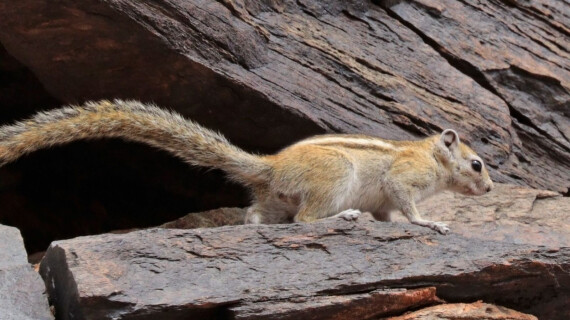
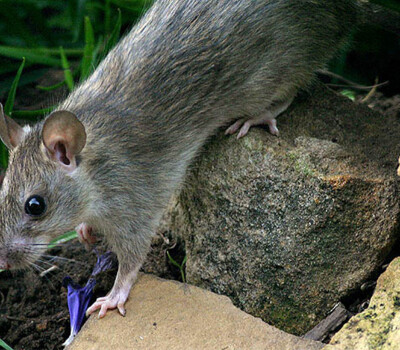
Unravelling the diversity of Central African rope squirrels
Rope squirrels are suspected reservoirs of mpox virus in Central Africa, but their diversity may be greater than previously recognised. Combining DNA analyses with physical measurements, researchers reassessed rope squirrels in the Democratic Republic of the Congo and found evidence of at least six species-level lineages, including two potentially novel species. The Congo and Kasaï rivers appear to shape their distributions, potentially acting as barriers between groups. These findings lay the groundwork for further research into squirrel biodiversity and their potential role in mpox virus circulation.
Baelo, P., Fourchault, L., Ceulemans, A., Laurent, N., Mande, C., Laudisoit, A., ... & Mariën, J. (2026). Reassessing the diversity and distribution of African rope squirrels (Funisciurus Trouessart, 1880) in the Congo Basin. Journal of Mammalogy, gyag084. https://doi.org/10.1093/jmammal/gyag084
(c) image: Charles J Sharp
Designing sustainable health systems and strategies
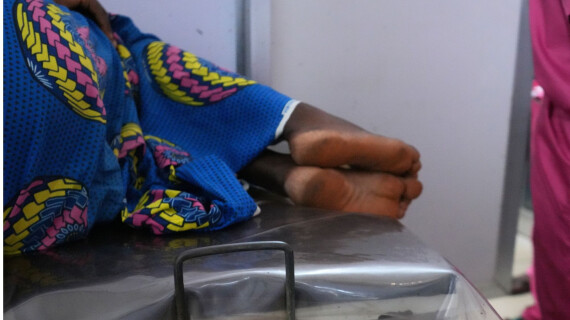
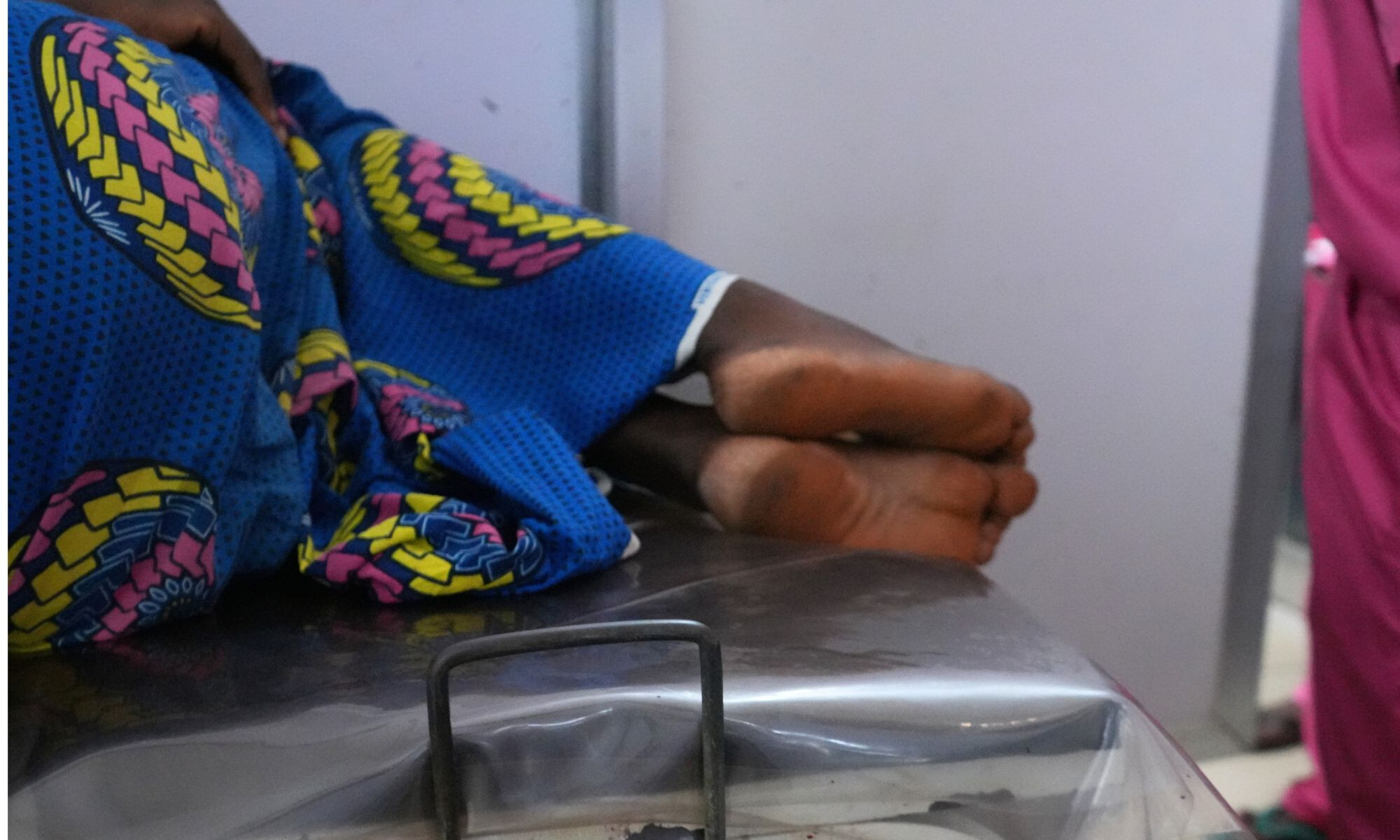
Gaps in emergency care for mothers and newborns in rural Uganda
Giving birth in a health facility does not always guarantee access to life-saving care. Researchers assessed 42 public health facilities in two rural districts of western Uganda. On average, facilities had just over half of the resources needed to provide emergency care for mothers and newborns. None provided all the required emergency services, and referral systems were often inadequate. Strengthening lower-level facilities, ensuring essential supplies and improving emergency transport could help prevent avoidable deaths.
Turigye, B., Macharia, P. M., Mulogo, E. M., Ngonzi, J., Kanyesigye, M., & Benova, L. (2026). Health facility readiness to provide quality emergency obstetric and newborn care in rural Uganda: a cross-sectional study. BMJ Public Health, 4(4). https://doi.org/10.1136/bmjph-2026-005103
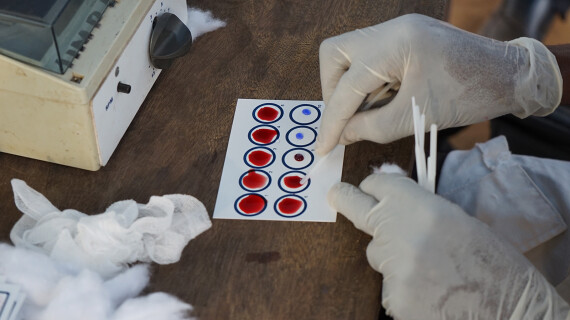
Why free sleeping sickness treatment can still be costly for patients
Diagnosis and treatment for sleeping sickness are free in the Democratic Republic of the Congo. But patients still face costs for transport, consultations and other medical care, in particular those that self-present to health facilities. Among confirmed patients nearly 90% had to sell assets or borrow money to cover their costs. This is particularly concerning as in response to reducing endemicity, village based active case finding is being scaled down.
Snijders, R., Fukinsia, A., Nganzobo, P., Miaka, E., Hasker, E., Mpanya, A., ... & Tediosi, F. (2026). The household burden of sleeping sickness: out-of-pocket costs for diagnosis and treatment. BMJ Global Health, 11(10). https://gh.bmj.com/content/11/10/e025040
Why do global health campaigns keep using the same images?
Photographs used by global health organisations often follow familiar patterns, from images meant to show suffering to smiling portraits meant to show empowerment. Researchers interviewed photographers and analysed images from organisations’ websites to explore how these pictures are created. They found that detailed instructions encourage photographers to reproduce established visual icons, sometimes at the expense of local realities. The authors call for more freedom and transparency in how communities are portrayed, raising questions about decolonisation of global health visuals.
Alenichev, A., Shaffer, J. D., de Laat, S., Boase, W., Grietens, K. P., & Kingori, P. (2026). Adhering to the Brief: Global Health Images as Repeated Icons. Social Science & Medicine, 119943. https://doi.org/10.1016/j.socscimed.2026.119943
Accelerating disease elimination

Preparing for future outbreaks with broader-acting antiviral drugs
Many dangerous viruses still have no effective treatment. In this review, researchers explore how antiviral drugs could be developed to work against several different RNA viruses, including Ebola, dengue and respiratory viruses. They highlight promising drug targets and existing candidate medicines, but stress that much more research and clinical testing are needed. Developing and testing these treatments before outbreaks occur could improve preparedness for future epidemics and pandemics.
Thibaut, H. J., Jochmans, D., Van Dijck, C., Laporte, M., Liesenborghs, L., & Neyts, J. (2026). Towards broader-spectrum direct-acting antivirals against RNA viruses. Nature Reviews Microbiology, 1-20. https://www.nature.com/articles/s41579-026-01372-1
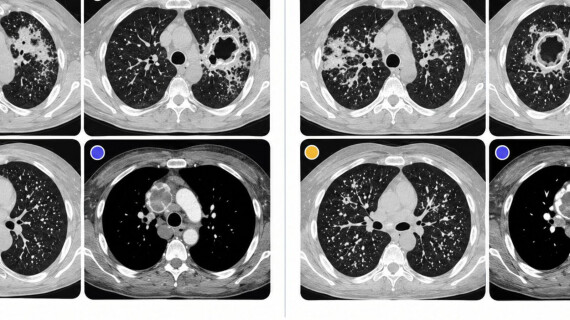
When lung scans cannot tell melioidosis apart from tuberculosis
Melioidosis can closely resemble tuberculosis on lung CT scans. Researchers compared scans from 151 adults with diabetes in southern India. Features often associated with tuberculosis, such as upper-lung involvement, cavities, small nodules and enlarged necrotic lymph nodes, were also seen in melioidosis. Although some findings were more common in one infection, there was considerable overlap. The study highlights why laboratory testing remains essential for accurate diagnosis and timely treatment.
Gupta, N., Mukhopadhyay, C., Kumar, T. P., Salian, K., PS, P., Malla, S., ... & Bottieau, E. (2026). Computed Tomographic Features Associated with Pulmonary Melioidosis versus Pulmonary Tuberculosis in Diabetic Patients: A Retrospective Comparative Cohort Study. The American Journal of Tropical Medicine and Hygiene, tpmd260337. https://pmc.ncbi.nlm.nih.gov/articles/PMC13675693/
Taking on antimicrobial resistance
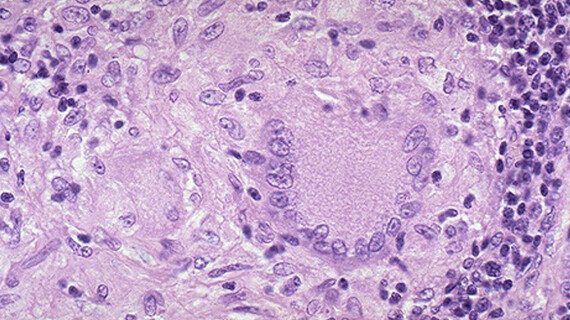
Drug-resistant tuberculosis lineage identified in eastern DR Congo
Researchers have identified three cases of an uncommon tuberculosis strain, known as lineage 8, in South Kivu, eastern Democratic Republic of Congo (DRC). Previously reported only in Rwanda and Uganda, all three strains showed signs of resistance to multiple tuberculosis medicines. The findings suggest that this basal lineage with distinct characteristics may be more widespread in the African Great Lakes region than previously recognised. Larger genetic studies are needed to understand how widely it circulates.
Bisimwa, B. C., Bahizire, E., Martin, I. C., Rigouts, L., Mulders, W., Hakizayezu, F., ... & de Jong, B. C. (2026). Mycobacterium tuberculosis complex Lineage 8 causes drug resistant pulmonary tuberculosis also in South Kivu, Eastern Democratic Republic of Congo. Frontiers in Cellular and Infection Microbiology, 16, 1918557. https://doi.org/10.3389/fcimb.2026.1918557

Should we rethink routine STI screening in men who have sex with men?
Routine screening for gonorrhoea and chlamydia in men who have sex with men may do more harm than good. Evidence suggests that frequent screening offers little clear health benefit, while increasing antibiotic use, healthcare costs and antimicrobial resistance. The authors propose rethinking these bacteria as organisms that often cause temporary, symptom-free colonisation, and focusing more on vaccination and treating people with symptoms.
Kenyon, C., Manoharan-Basil, S. S., & Vanbaelen, T. (2026). It is time to redefine Neisseria gonorrhoeae and Chlamydia trachomatis as opportunistic pathogens in men who have sex with men? Implications for screening. https://sti.bmj.com/content/102/7/484
News
All news-
 With the Fresh Off The Journal series, we bring you our monthly research highlights.
-
With the Fresh Off The Journal series, we bring you our monthly research highlights.
-
With the Fresh Off The Journal series, we bring you our monthly research highlights.
-
With the Fresh Off The Journal series, we bring you our monthly research highlights.
-
With the Fresh Off The Journal series, we bring you our monthly research highlights.
-
Articles
Fresh Off The Journal: April 2026
 With the Fresh Off The Journal series, we bring you eight research highlights every month.
-
Articles
Fresh Off The Journal: March 2026
With the Fresh Off The Journal series, we bring you eight research highlights every month. -
Articles
Fresh Off The Journal: February 2026
With the Fresh Off The Journal series, we bring you nine research highlights every month. -
With the Fresh Off The Journal series, we bring you nine research highlights every month.
-
Articles
Fresh Off The Journal: November 2025
With the Fresh Off The Journal series, we bring you nine research highlights every month. -
Articles
Fresh Off The Journal: October 2025
With the Fresh Off The Journal series, we bring you nine research highlights every month. -
With the Fresh Off The Journal series, we bring you nine research highlights every month.
Spread the word! Share this story on
More stories
-
- Articles
Dr Mamane Moussa Dan Baki elected as alumni representative to ITM's General Council
We are pleased to announce that Dr Mamane Moussa Dan Baki (Niger) is the new alumni representative in ITM's General Council for the 2026-2030 term.Read more -
- Articles
“Dare to ask questions: you will gain visibility”
As we near ITM's 66th Colloquium, postdoctoral researcher and Scientific Committee member Dr Thao-Thy Pham reflects on her work on leishmaniasis, her partnership with Ethiopian colleagues, and what she hopes Colloquium participants will take home.Read more -
- Articles
Final preparations underway for pivotal Phase 2/3 Bundibugyo vaccine trial
Tumaini, a pivotal Phase 2/3 clinical trial, will evaluate vaccine candidates including Ervebo as part of the DRC's outbreak response. There is currently no approved vaccine against Bundibugyo virus. Tumaini aims to close that gap.Read more -
- Articles
Who is at risk, and who is reached? Eight new insights into infection, care and prevention
With the Fresh Off The Journal series, we bring you our monthly research highlights.Read more -
- Articles
First 100 medical crisis intervention volunteers are undergoing training at ITM
One hundred volunteer doctors and nurses will form a Medical Reserve Unit (MRE) in Flanders that can be deployed rapidly in the event of acute, local health crises. They are gathering today for the first time for a training day on infectious diseases and outbreaks at the Institute of Tropical Medicine in Antwerp. They were welcomed by Caroline Gennez, the Flemish Minister for Welfare and Public Health, who will be providing 250,000 euros per year to the MRE over the next three years.Read more -
- Articles
How a nurse from Sierra Leone broadened her perspective at ITM
Introducing graduate Fatmata Bintu KargboRead more -
- Articles
Connecting research, policy and partnerships for better access to cancer medicines
Tinashe Zigomo, a PhD candidate at the University of the Western Cape School of Public Health, reflects on a four-week visiting scholar period at ITM Antwerp, focused on access to essential breast cancer medicines in low-resource settings.Read more -
- Articles
An infectious disease anywhere is an infectious disease everywhere
From the frontlines of the current Ebola outbreak in Central Africa to the resurgence of drug-resistant TB in Europe, weakening global health systems make all of us less safe.Read more -
- Articles
Infectious disease specialist Isabel Brosius wins Eos Pipet 2026 for her leadership in mpox research
The jury praises her strong scientific work and pronounced societal engagement.Read more -
- Articles
Strong collaboration strengthens the response: how jointly developed sequencing expertise helps to unravel the Bundibugyo Ebola outbreak
When the current Bundibugyo Ebola outbreak emerged in the Democratic Republic of Congo, researchers at ITM’s partner institute, Institut National de Recherche Biomédicale (INRB), responded immediately. ITM Professor Koen Vercauteren talks about the role of long-term investment in sequencing technologies and scientific partnerships.Read more