“Dare to ask questions: you will gain visibility”
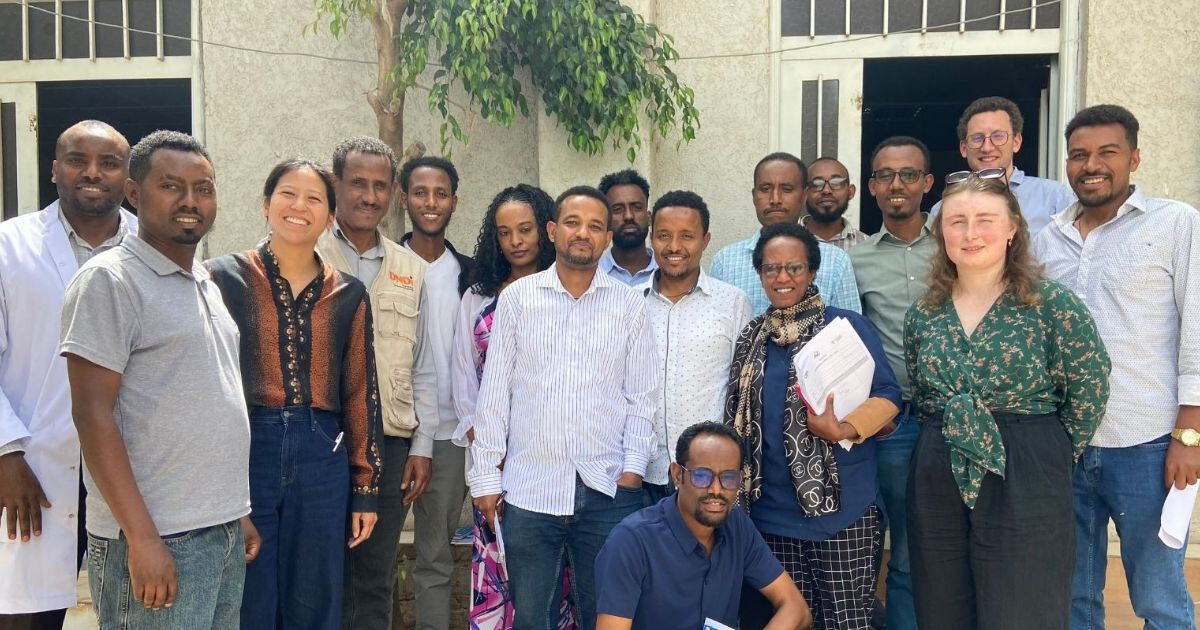
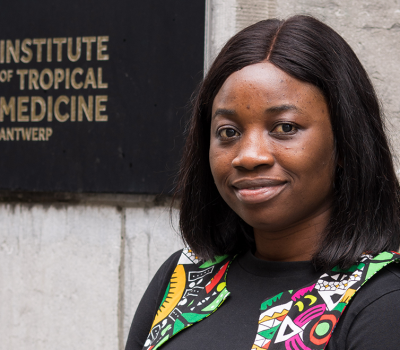
Before ITM's 66th Colloquium starts in Addis Ababa under the theme 'Health in Motion: Infectious Diseases on the Move', Dr Thao-Thy Pham, a postdoctoral researcher in immunology at ITM, has been deeply involved before the first session begins. As a member of the Scientific Committee, she co-coordinated abstract selection to shape the colloquium's programme. Her own research was selected by other members for a presentation, allowing her to bring her findings to Addis Ababa as well.
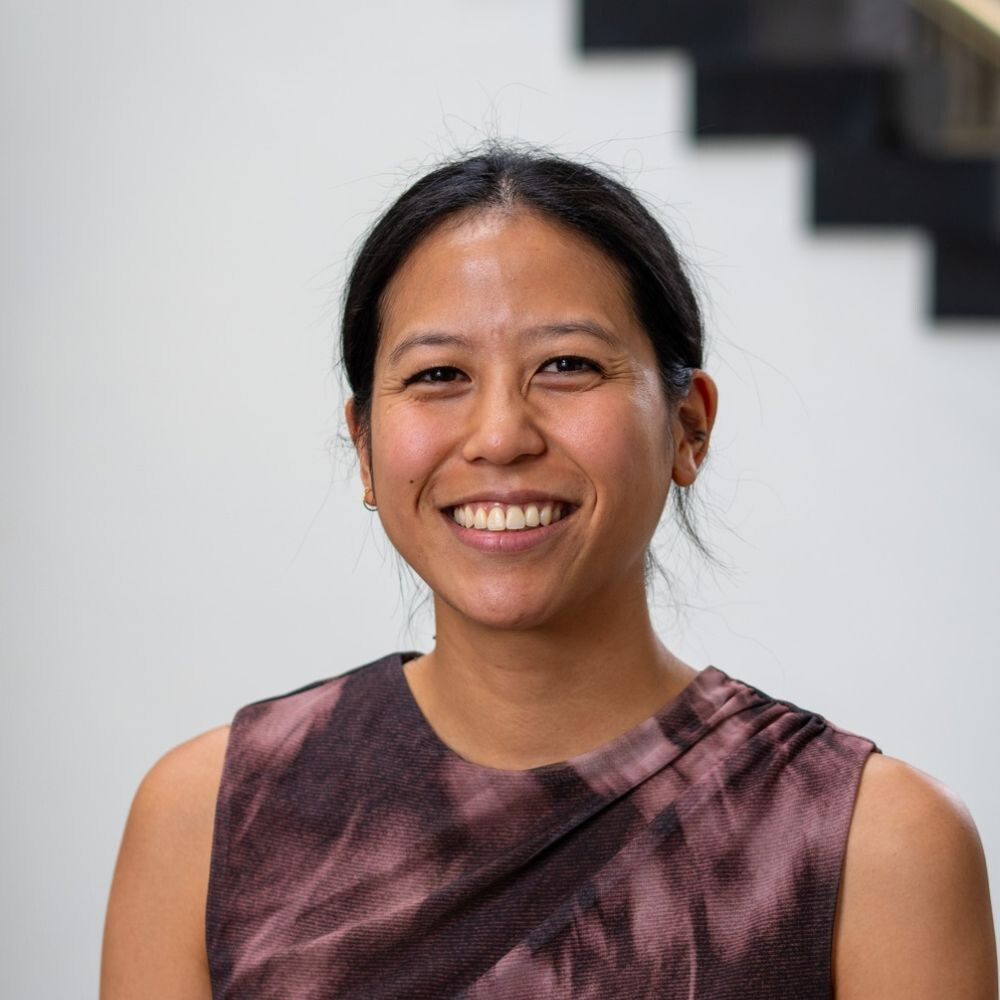
What is your role in the colloquium?
THAO-THY: I am a member of the Scientific Committee, and co-coordinated the session ‘Spread, Immunity and Resistance’. Since I did my PhD on malaria immunology and now work on Leishmania immunology, I volunteered for this relevant session. I also took on a supporting role in the session on ‘Emerging Infections, Climate and Environment’. I am not an expert in that field, but it has been a big interest of mine. At my previous institute I started a climate awareness group, where we for example looked at how to reduce energy use in the labs. I am also delighted to share that I will be presenting my own research.
How did the committee select abstracts?
THAO-THY: Every abstract was reviewed by at least two people. A bioinformatical Scientific Committee member wrote a script that calculates the final scores and corrects for how strict each reviewer is. We first ranked on score and quality, then looked at balance in gender, geographic regions and career stage. Most abstracts came from partner countries, and some came from researchers who simply want to present their data and connect with ITM. We also decided to prioritise submitted abstracts with unpublished data, to feature new ideas and recent work from 2026.
'Health in motion' is a broad theme. How does your own research fit in?
THAO-THY: Mobility can mean patients who migrate, a pathogen that moves through the body, or a pathogen that spreads across geographic regions. My work focuses on the human immune response to parasitic diseases. Leishmaniasis is a neglected tropical disease, but it occurs in almost 100 countries, including southern Spain and southern France. In our unit, we focus on patient immuno-monitoring and vaccine development. For example, to design a vaccine, you first need to understand which immune response protects, so that the vaccine can mimic this. Other colleagues in our unit work on Ebola and yellow fever, with vaccine immunology as the common thread.
You moved from malaria to leishmaniasis. What is the difference between these two parasitic diseases?
THAO-THY: The parasite and the clinical disease are different, but the questions are similar: how does the immune system respond, and what does it take to protect someone? However, I went from experimental mouse models to clinical sciences, and from general immune response to more in-depth molecular mechanisms using advanced methodologies, so the switch was a steep learning curve. Much of my work is now with our partners in Ethiopia, which is also why I am happy to help organise the colloquium in Addis Ababa.
Is there a vaccine against leishmaniasis?
THAO-THY: For humans there is no vaccine yet, although many people are working on it. The problem is what we call the “valley of death”: the step from promising preclinical work, for example in mouse models, to an effective vaccine in clinical trials. Compared to tuberculosis vaccine research, with dozens of vaccine candidates in active trials, leishmaniasis unfortunately has received little funding. Historically, for leishmaniasis, there have been fewer than ten candidates in trials, and they have all failed to show efficacy.
How do you try to bridge that gap?
THAO-THY: We are looking for biomarkers, so-called correlates of protection. Phase 3 clinical trials need thousands of volunteers, and that is what makes them so expensive. If we can show earlier that a vaccine induces a protective response, we can recruit fewer people and bring the costs down. Another change is the shift to mRNA vaccines. Thanks to the investment during COVID, these next-generation vaccines are cheaper to produce, and they can also be manufactured locally. We are currently working with our partners in Ethiopia to develop a new Leishmania vaccine.
Leishmaniasis
Leishmaniasis is a deadly, stigmatising parasitic disease spread by sand flies, appearing in cutaneous, visceral and mucocutaneous forms. It is listed by the WHO as a neglected tropical disease.
Visceral leishmaniasis, the most severe form, is nearly eliminated in South Asia but is now concentrated in East Africa (and South America), where HIV co-infection complicates control.
ITM's Leishmania Centre unites six research units and partners in over ten endemic countries. Together, they helped bring South Asian visceral leishmaniasis close to elimination and now work on genomic surveillance, vector control, diagnostics and treatment.
Speaking of your partners in Ethiopia: what does that collaboration look like?
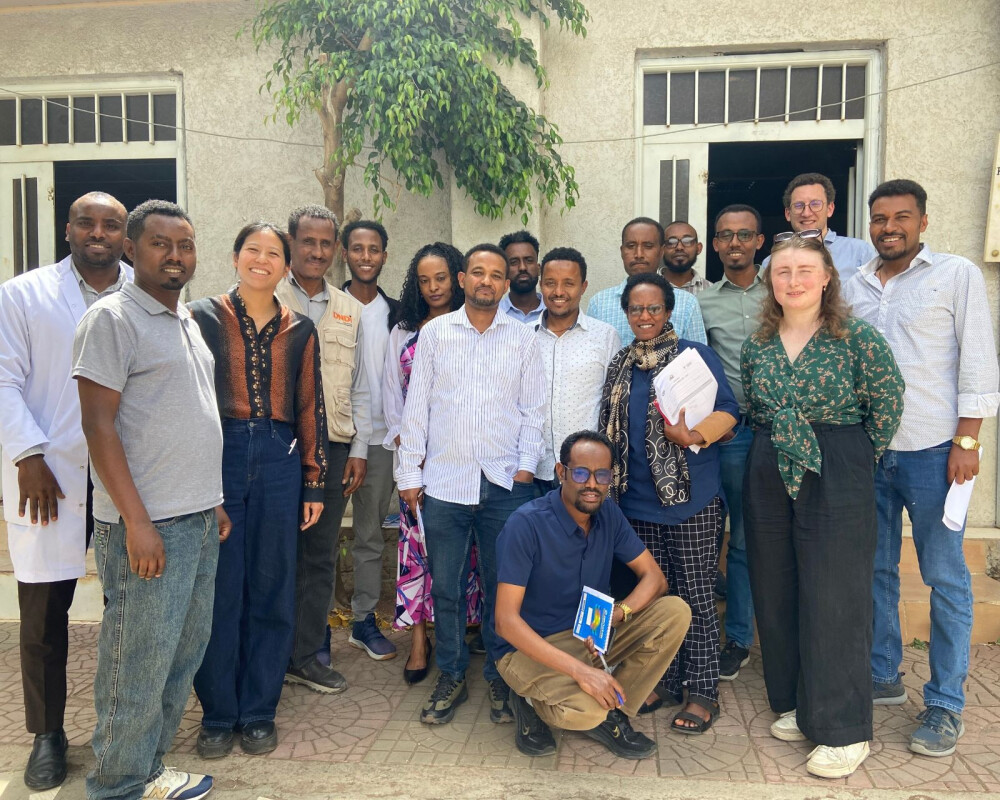
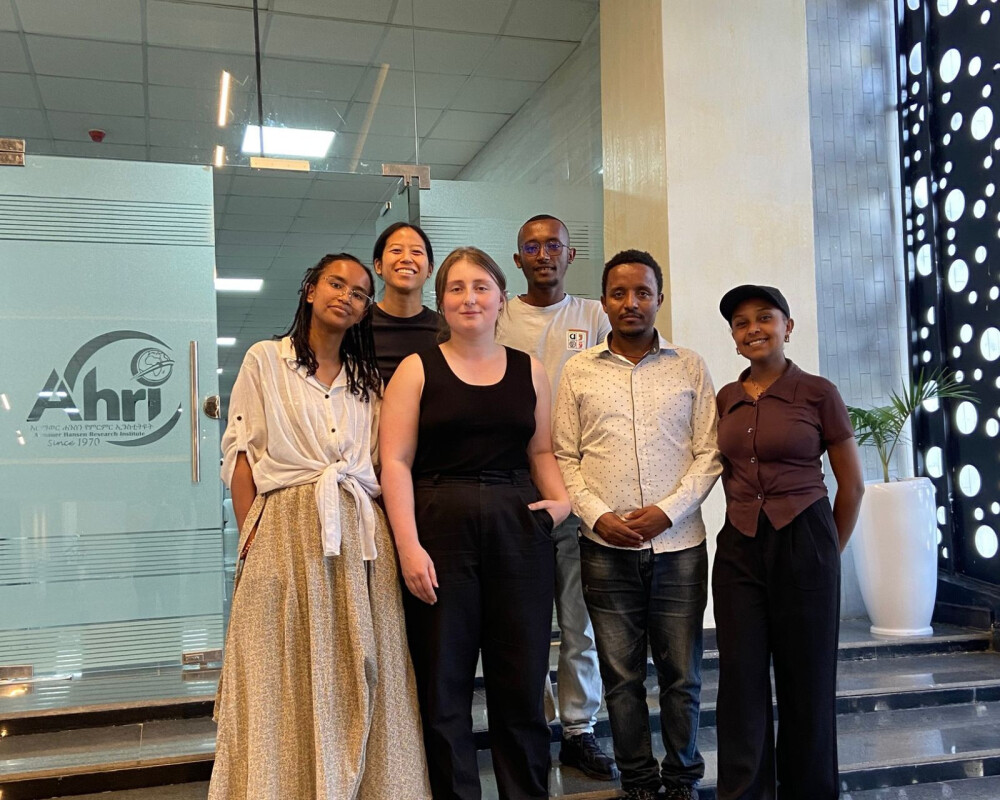
THAO-THY: I have mainly worked with the Leishmaniasis Research and Treatment Centre at the University of Gondar and since last year with the Armauer Hansen Research Institute in Addis. However, ITM has collaborated for more than ten years with them, which has been supported by the framework agreements with the Directorate-General International Cooperation (DG INT).
In Gondar, together with DNDi, we built a well-equipped clinical trial laboratory that meets the standards for good clinical practice with trained staff to host a clinical trial. It has been taken up into Ethiopia's clinical trial network, so other international partners can also run trials there. The local team has gained so much experience that we could set up clinical studies via online calls if travel was prohibited.
Can you give an example of research that could make a difference for patients?
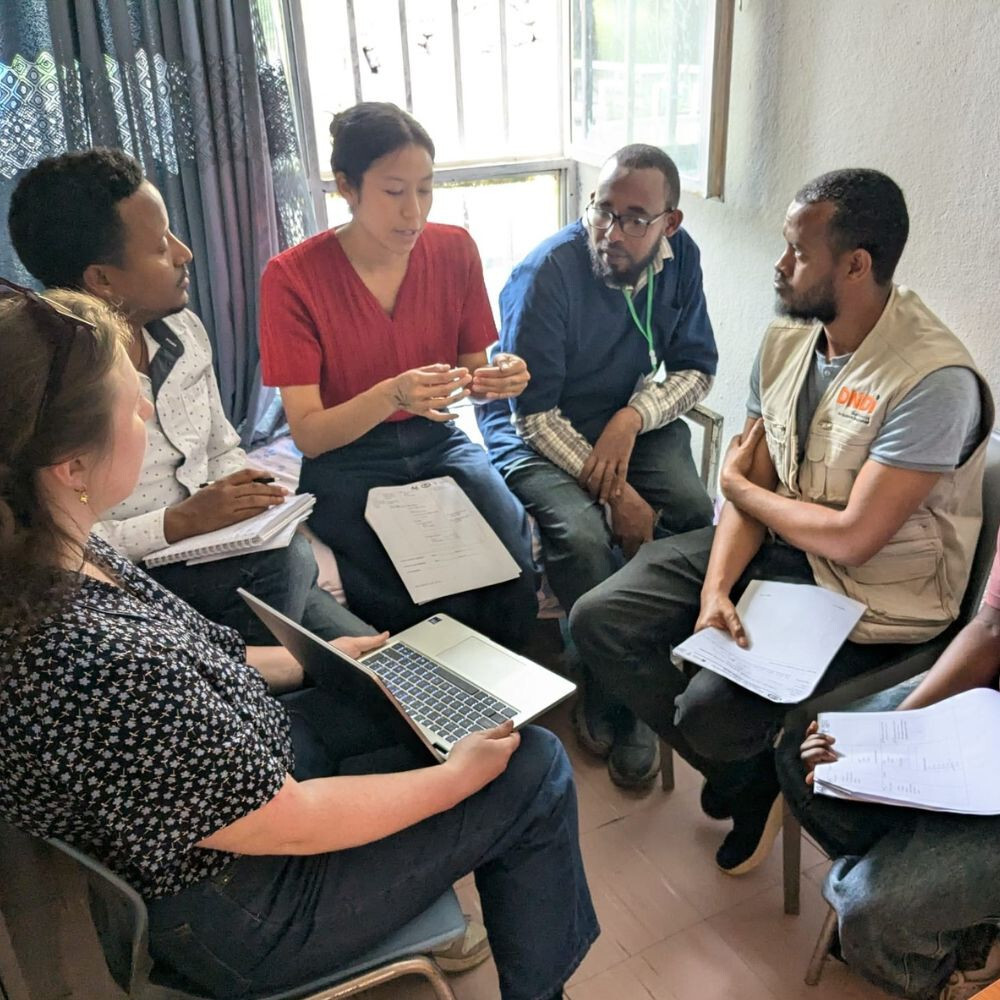
THAO-THY: We are working on a project focused on people living with HIV who also get infected with visceral leishmaniasis (VL-HIV), one of the most severe forms of the disease. In northwest Ethiopia, many migrant agricultural workers come to the region for the harvest season, and HIV and leishmaniasis are both endemic there. These individuals with VL-HIV have a weakened immune system, and many of them relapse again and again. Over a lifetime, some have up to 25 relapses, around three per year. Prof Johan van Griensven and Ermias Diro, his PhD student at the time, developed an optimised treatment strategy that was adopted by WHO. The new treatment is better but not perfect.
Why do they keep relapsing?
THAO-THY: Our group found that their immune response is exhausted. The parasite stays (sometimes hidden) in the body, and the immune system, already weakened by HIV, is constantly triggered until it can no longer respond. We now are exploring “immune checkpoint inhibitors”, a treatment normally used for cancer, to see if it can boost the immune response so that the body can finally clear the parasite and the disease stops coming back. Thanks to a recent FWO grant led by Dr Myrthe Pareyn, we can run a small clinical trial.
"Some patients have passed away due to VL-HIV, and in a way we are doing this research in their honour. It feels rewarding to work on these studies that, hopefully, gives patients hope."
Dr Thao Thy Pham
Does the work stay with you personally?
THAO-THY: Some of these patients have told our local partners they have had enough: “What kind of life is this?” due to their relapses of VL-HIV. That is why one of the projects is called “ALIVE”. Some patients have passed away due to VL-HIV, and in a way we are doing this in their honour. It feels rewarding to work on these studies that, hopefully, gives patients hope.
Circling back to the colloquium: what are you looking forward to?
THAO-THY: All the sessions are interesting, but climate change is always in the back of my mind, so I am curious about the speakers in the first session. Having been part of the speaker selection, I know that several of them use AI and modelling. These are very recent tools, and I am curious how accurate their predictions are and how much they have improved existing models.
"If you have a question, just ask it, whether during the Q&A or at the coffee break. It gives you visibility!"
Dr Thao Thy Pham
What do you hope participants take home?
THAO-THY: Collaborations, new ideas and inspiration. I usually leave a conference with many new contacts that I follow up within the month. My advice for young researchers is to study the programme in advance, decide who you want to talk to and what you want to get out of the colloquium, and prepare a one-minute pitch about yourself.
And if you have a question, just ask it, whether during the Q&A or at the coffee break. It gives you visibility! Even if you think the answer might already have been in the presentation, ask anyway. It’s a good moment to put yourself on the map and clarify some points for yourself.
Register now to attend the 2026 ITM Colloquium!
Register
Dr Thao-Thy Pham
Dr Thao-Thy Pham is a Postdoctoral Research Fellow in the Clinical Immunology Unit at the Institute of Tropical Medicine Antwerp (ITM), where she investigates host-parasite interactions in both cutaneous and visceral leishmaniasis. Her primary research centers on the pMHC-TCR interaction and the resulting protective T cell responses, with the goal of informing vaccine development strategies.
In addition, her other projects include the identification and evaluation of immunological biomarkers to predict symptomatic disease progression and treatment outcomes, with the aim of translating these findings into point-of-care diagnostic tools. Her projects use a range of methods, from field-friendly techniques (e.g. whole blood stimulation with lyophilized antigen) to multi-omics approaches (e.g. single-cell and spatial transcriptomics).
In line with the values of ITM, all projects include capacity building and knowledge-sharing initiatives between collaborators.
News
All news-
 Ahead of the 66th ITM Colloquium, scientific leads Prof Dr Johan van Griensven from the Institute of Tropical Medicine (ITM) in Antwerp and Dr Endalamaw Gadisa from the Armauer Hansen Research Institute (AHRI) in Addis Ababa discuss why mobility is central to understanding infectious diseases and why researchers need to look beyond their own discipline.
-
From data to dialogue
-
International researchers gather in Antwerp to discuss innovations in healthcare
-
Breaking Boundaries: Innovations in Infectious Disease Research
-
Discover more about social innovation with scientists Liselotte Hardy and Faridath Massou
-
Learn from Dr Oren Tzfadia how artificial intelligence helps tackle drug resistance
-
Addressing Climate Change and Health: 10 Key Recommendations
-
An account of the 64th ITM Colloquium in Nepal
-
Learn how entomologist Ruth Müller and her team work to prevent and control this global threat
-
Learn from Nepalese researcher Meghnath Dhimal how they mitigate its effects
-
First virtual edition of the ITM-Colloquium kicks off today
-
Dr. Helen Anyasi of FHI 360 writes about her experience at the 60th ITM Colloquium of 9-10 October 2019
-
60th ITM Colloquium kicks off today
-
Articles
Alumni at the 59th ITM Colloquium
 The next generation in Phnom Penh
-
8th International Symposium on Filoviruses/58th ITM colloquium in Antwerp
-
The Institute of Tropical Medicine organised its 2015 annual colloquium in partnership with the Moroccan École Nationale de Santé Publique (ENSP)



Spread the word! Share this story on
More stories
-
- Articles
Final preparations underway for pivotal Phase 2/3 Bundibugyo vaccine trial
Tumaini, a pivotal Phase 2/3 clinical trial, will evaluate vaccine candidates including Ervebo as part of the DRC's outbreak response. There is currently no approved vaccine against Bundibugyo virus. Tumaini aims to close that gap.Read more -
- Articles
Who is at risk, and who is reached? Eight new insights into infection, care and prevention
With the Fresh Off The Journal series, we bring you our monthly research highlights.Read more -
- Articles
First 100 medical crisis intervention volunteers are undergoing training at ITM
One hundred volunteer doctors and nurses will form a Medical Reserve Unit (MRE) in Flanders that can be deployed rapidly in the event of acute, local health crises. They are gathering today for the first time for a training day on infectious diseases and outbreaks at the Institute of Tropical Medicine in Antwerp. They were welcomed by Caroline Gennez, the Flemish Minister for Welfare and Public Health, who will be providing 250,000 euros per year to the MRE over the next three years.Read more -
- Articles
How a nurse from Sierra Leone broadened her perspective at ITM
Introducing graduate Fatmata Bintu KargboRead more -
- Articles
Connecting research, policy and partnerships for better access to cancer medicines
Tinashe Zigomo, a PhD candidate at the University of the Western Cape School of Public Health, reflects on a four-week visiting scholar period at ITM Antwerp, focused on access to essential breast cancer medicines in low-resource settings.Read more -
- Articles
An infectious disease anywhere is an infectious disease everywhere
From the frontlines of the current Ebola outbreak in Central Africa to the resurgence of drug-resistant TB in Europe, weakening global health systems make all of us less safe.Read more -
- Articles
Infectious disease specialist Isabel Brosius wins Eos Pipet 2026 for her leadership in mpox research
The jury praises her strong scientific work and pronounced societal engagement.Read more -
- Articles
Strong collaboration strengthens the response: how jointly developed sequencing expertise helps to unravel the Bundibugyo Ebola outbreak
When the current Bundibugyo Ebola outbreak emerged in the Democratic Republic of Congo, researchers at ITM’s partner institute, Institut National de Recherche Biomédicale (INRB), responded immediately. ITM Professor Koen Vercauteren talks about the role of long-term investment in sequencing technologies and scientific partnerships.Read more -
- Articles
"This research will have a far greater impact on the people of Tanzania than the PhD degree I have earned."
An interview with Dr Amani Kikula, a researcher in obstetrics and gynaecology from Tanzania.Read more -
- Articles
"Infectious diseases cannot be studied from one discipline alone"
Ahead of the 66th ITM Colloquium, scientific leads Prof Dr Johan van Griensven from the Institute of Tropical Medicine (ITM) in Antwerp and Dr Endalamaw Gadisa from the Armauer Hansen Research Institute (AHRI) in Addis Ababa discuss why mobility is central to understanding infectious diseases and why researchers need to look beyond their own discipline.Read more