Three ITM junior researchers awarded PhD fellowships by the Research Foundation of Flanders

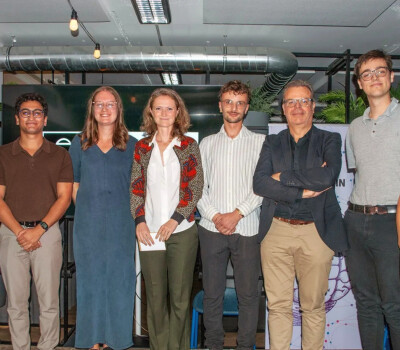
The FWO predoctoral fellowships aim to boost the professional development of young researchers who will help shape the knowledge and innovation of tomorrow. In this round, FWO awarded 310 fundamental research and 178 strategic basic research projects From ITM, three were approved, resulting in a 27.2 % (3 awardees, 11 submissions) success rate. All three awarded candidates are affiliated with both ITM and the University of Antwerp, carrying out their research mainly at ITM, starting on 1 November.
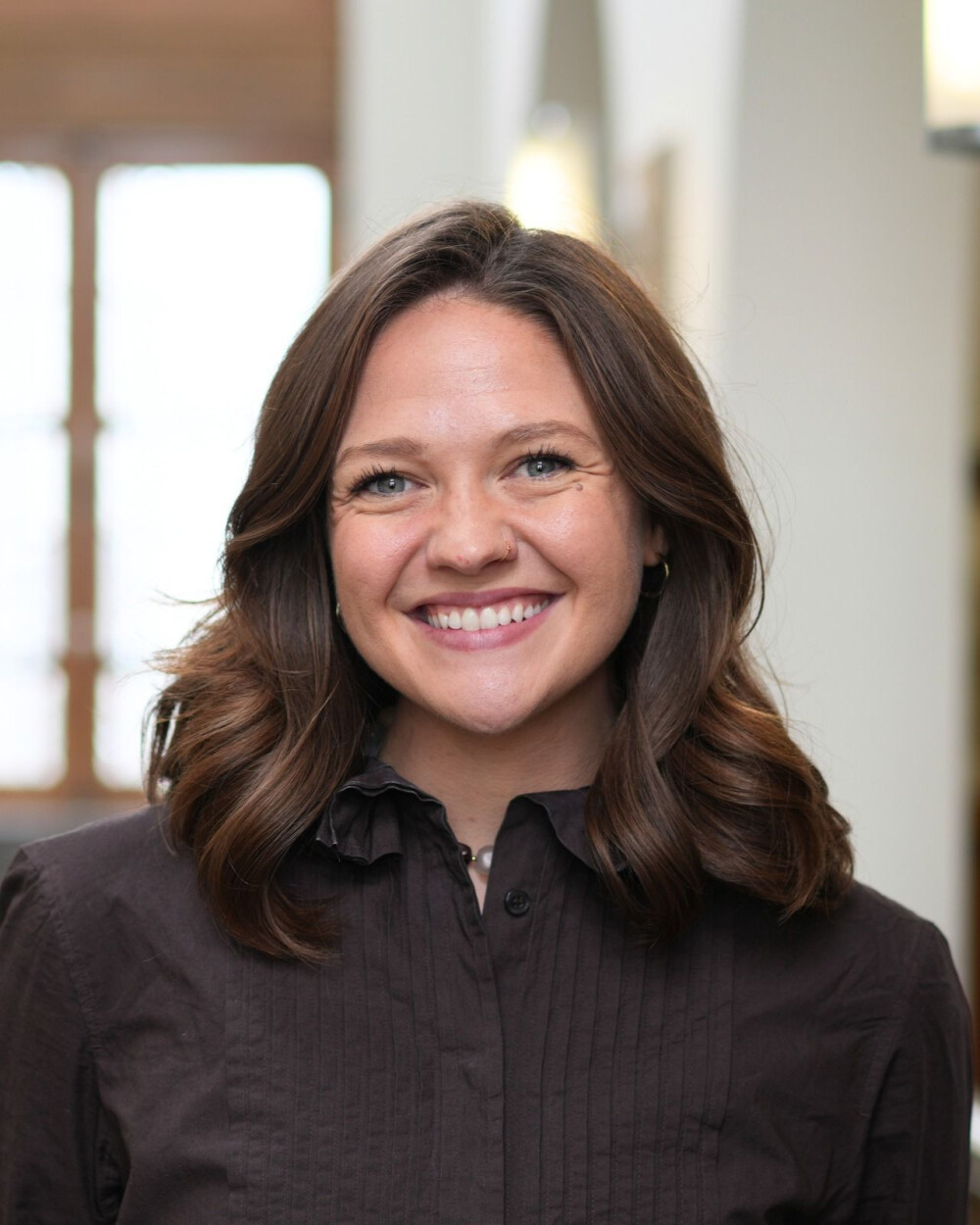
Habitat restoration, biodiversity recovery, and parasite community dynamics: linking theoretical models and empirical data
Olivia Toles, Unit of Virus Ecology, fundamental research project
Human-caused habitat damage and biodiversity loss are increasingly linked to the emergence of zoonotic diseases, but we don’t yet understand why. Restoring habitats is often seen as a solution, yet restoration doesn’t simply reverse degradation. It starts a new process of community assembly that changes which host species are present, how their life stages are structured, and how well habitats are connected, with uncertain effects on parasites and spillover risk.
This project examines how degradation and restoration reshape pathogen diversity. Using small mammal data from the Yangambi Biosphere Reserve in the Democratic Republic of the Congo, Olivia will measure parasite turnover and regional diversity along a restoration gradient and test whether parasites respond earlier and recover more slowly than their hosts. She will then build a model to show how restoration stage and habitat connectivity determine whether parasites persist, go extinct, or return.
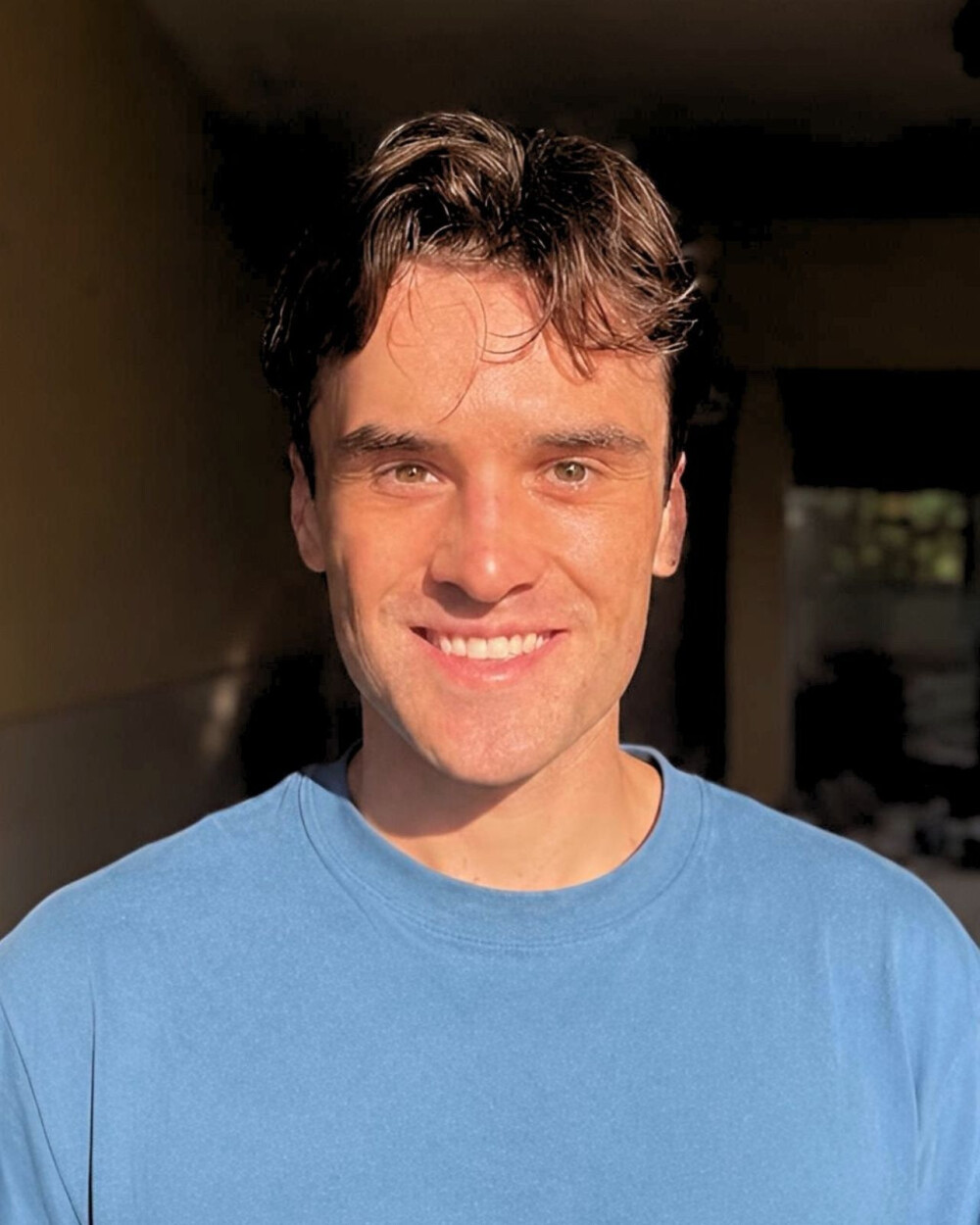
Biological Adjudication of Post-Treatment Recurrence in Leprosy
Niels Vanden Bossche, Unit of Mycobacteriology, fundamental research project
Leprosy still occurs in more than 120 countries with around 200,000 new cases detected worldwide each year. Although leprosy is curable, there is still no reliable biological measure to confirm treatment success. Because Mycobacterium leprae cannot be cultured in vitro, bacterial elimination cannot be confirmed, and cure remains operationally defined. This makes it difficult to determine the underlying cause of recurrence: relapse, reinfection, or a delayed immune reaction.
To address this challenge, Niels will investigate a unique national cohort of recurrent leprosy cases from the Comoros, a highly endemic setting that he has already had the opportunity to visit.
His PhD project will combine next-generation sequencing approaches and RNA-based viability testing with clinical and epidemiological data to provide molecular evidence to support the classification of post-treatment recurrence. The findings generated during his PhD aim to strengthen treatment evaluation and resistance surveillance and support the development and assessment of new therapies.
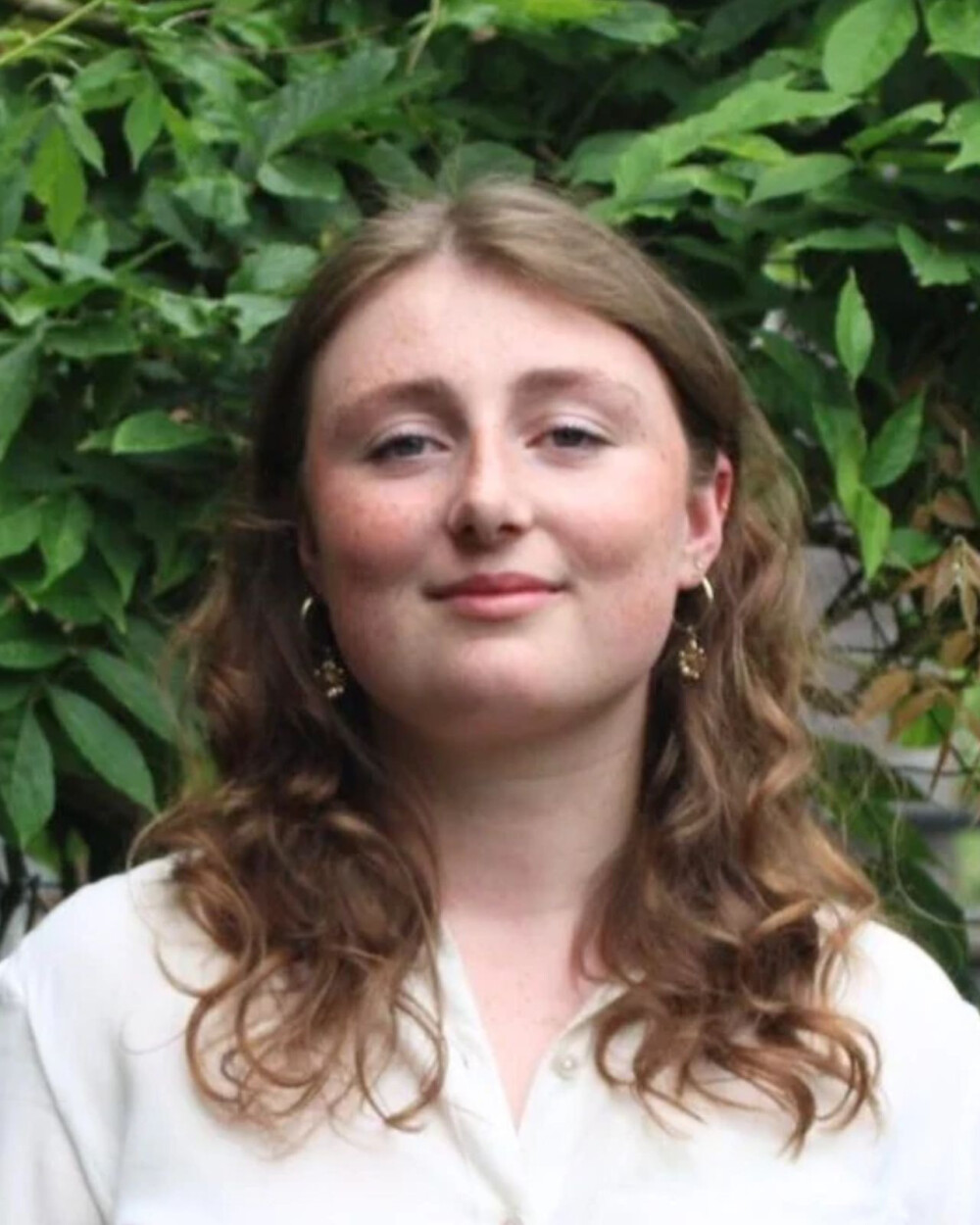
Translating novel antigen combinations into next-generation Leishmania vaccines
Lies Mensch, Unit of Clinical Immunology, strategic basic research project
Leishmaniasis causes up to one million new cases every year, yet there is still no human vaccine despite the high demand. A major hurdle has been not knowing which Leishmania antigens the body naturally processes and presents during an active Leishmania infection. This information is essential for designing T cell–focused vaccines. The Clinical Immunology Unit has now overcome this hurdle by creating the first patient-derived Leishmania immunopeptidome from patient skin lesions, and has identified several relevant antigens. The immunogenicity of these antigens will now be tested to determine which ones could be used to create a vaccine construct.
This PhD project will develop next-generation self-amplifying RNA (saRNA) vaccine constructs, after optimising the Target Product Profile (the regulatory guidance document outlining the desired characteristics of a vaccine under development). The project will involve designing, formulating and testing saRNA vaccine construct candidates in mouse models, hopefully resulting in the first effective human Leishmania vaccine.
News
All news-
 Articles
Four ITM researchers awarded postdoctoral fellowships by the Research Foundation of Flanders
 The four researchers will carry out vital work on viral spillover, leprosy transmission, mpox, and onchocerciasis-associated epilepsy
-
Introducing Janne Wouters and Niki Danel
-
Articles
Four ITM researchers secure competitive fellowships from the Research Foundation of Flanders
Meet Anke Rotsaert, Anteneh Asefa, Daan Jansen and Irene Molina de la Fuente -
Articles
Four ITM researchers awarded a competitive fellowship by the Research Foundation of Flanders
Meet Brecht Ingelbeen, Saleh Aljadeeah, Katlijn De Meulenaere and Peter Macharia


Spread the word! Share this story on
More stories
-
- Articles
Hidden gaps, hidden costs: eight studies on outbreaks, care and resistance
With the Fresh Off The Journal series, we bring you our monthly research highlights.Read more -
- Articles
Dr Mamane Moussa Dan Baki elected as alumni representative to ITM's General Council
We are pleased to announce that Dr Mamane Moussa Dan Baki (Niger) is the new alumni representative in ITM's General Council for the 2026-2030 term.Read more -
- Articles
“Dare to ask questions: you will gain visibility”
As we near ITM's 66th Colloquium, postdoctoral researcher and Scientific Committee member Dr Thao-Thy Pham reflects on her work on leishmaniasis, her partnership with Ethiopian colleagues, and what she hopes Colloquium participants will take home.Read more -
- Articles
Final preparations underway for pivotal Phase 2/3 Bundibugyo vaccine trial
Tumaini, a pivotal Phase 2/3 clinical trial, will evaluate vaccine candidates including Ervebo as part of the DRC's outbreak response. There is currently no approved vaccine against Bundibugyo virus. Tumaini aims to close that gap.Read more -
- Articles
Who is at risk, and who is reached? Eight new insights into infection, care and prevention
With the Fresh Off The Journal series, we bring you our monthly research highlights.Read more -
- Articles
First 100 medical crisis intervention volunteers are undergoing training at ITM
One hundred volunteer doctors and nurses will form a Medical Reserve Unit (MRE) in Flanders that can be deployed rapidly in the event of acute, local health crises. They are gathering today for the first time for a training day on infectious diseases and outbreaks at the Institute of Tropical Medicine in Antwerp. They were welcomed by Caroline Gennez, the Flemish Minister for Welfare and Public Health, who will be providing 250,000 euros per year to the MRE over the next three years.Read more -
- Articles
How a nurse from Sierra Leone broadened her perspective at ITM
Introducing graduate Fatmata Bintu KargboRead more -
- Articles
Connecting research, policy and partnerships for better access to cancer medicines
Tinashe Zigomo, a PhD candidate at the University of the Western Cape School of Public Health, reflects on a four-week visiting scholar period at ITM Antwerp, focused on access to essential breast cancer medicines in low-resource settings.Read more -
- Articles
An infectious disease anywhere is an infectious disease everywhere
From the frontlines of the current Ebola outbreak in Central Africa to the resurgence of drug-resistant TB in Europe, weakening global health systems make all of us less safe.Read more -
- Articles
Infectious disease specialist Isabel Brosius wins Eos Pipet 2026 for her leadership in mpox research
The jury praises her strong scientific work and pronounced societal engagement.Read more