Ebola
Background
What is Ebola?
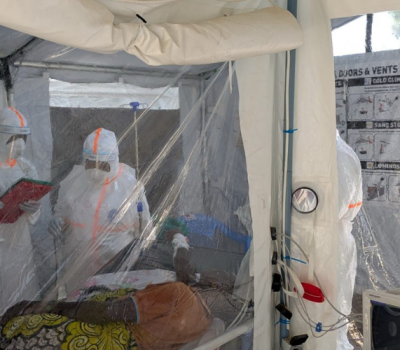
Ebola is a rare but often fatal disease caused by a group of viruses known as orthoebolaviruses. There are six known species, three of which are responsible for most outbreaks in humans:
the Ebola virus
the Sudan virus
the Bundibugyo virus
These filamentous viruses (or filoviruses) are a classic example of an infectious disease that was accidentally transmitted from animal to man and poorly adapted to humans (also called a "zoonotic" disease)
Our research
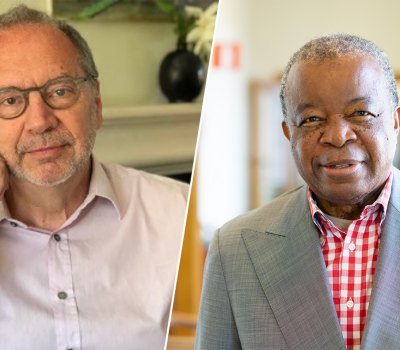
The Ebola virus was co-discovered in 1976 by ITM researchers Guido van der Groen and Peter Piot, at the time of its first known outbreak in Yambuku (then Zaire, now the Democratic Republic of the Congo). ITM has been vigilant in monitoring and responding to new outbreaks ever since.
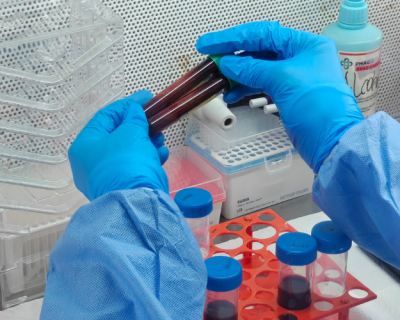
In Belgium, we developed and implemented essential protocols, training programmes and infrastructure to effectively manage potential Ebola cases. We prepared diagnostic facilities within our BSL3+ laboratories and served as a national reference for governmental bodies, organisations, and the general public. We continue to collaborate closely with federal and Flemish authorities, offering guidance and support to combat this global health threat.
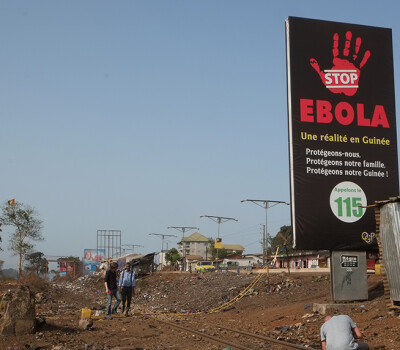
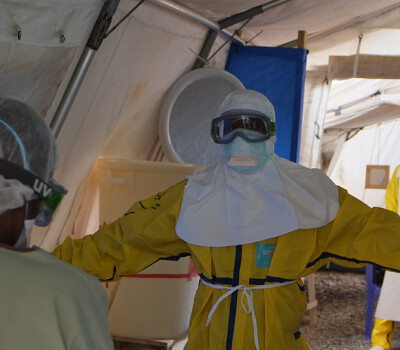
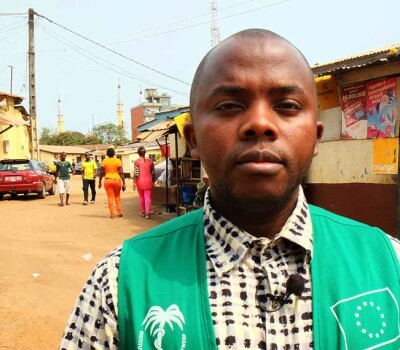
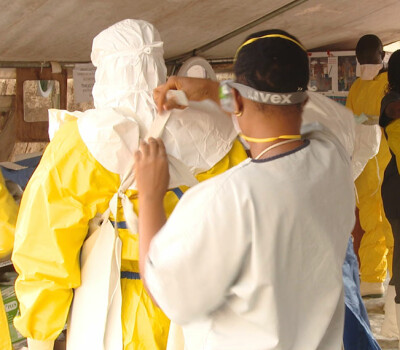
In Guinea, during the unprecedented epidemic in West Africa (2014–2015), we ran a large-scale blood plasma trial for Ebola survivors as potential treatment (EbolaTx), under coordination of Prof Johan van Griensven.
More information
Bundibugyo virus outbreak in DRC and Uganda
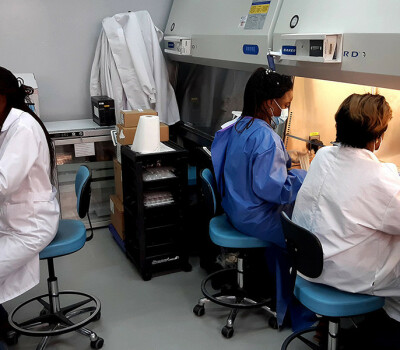
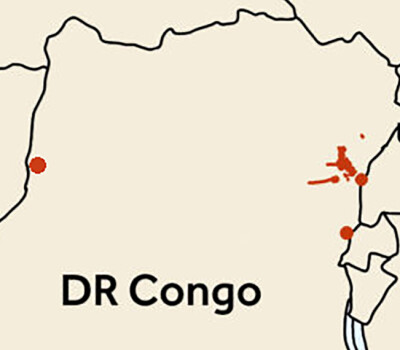
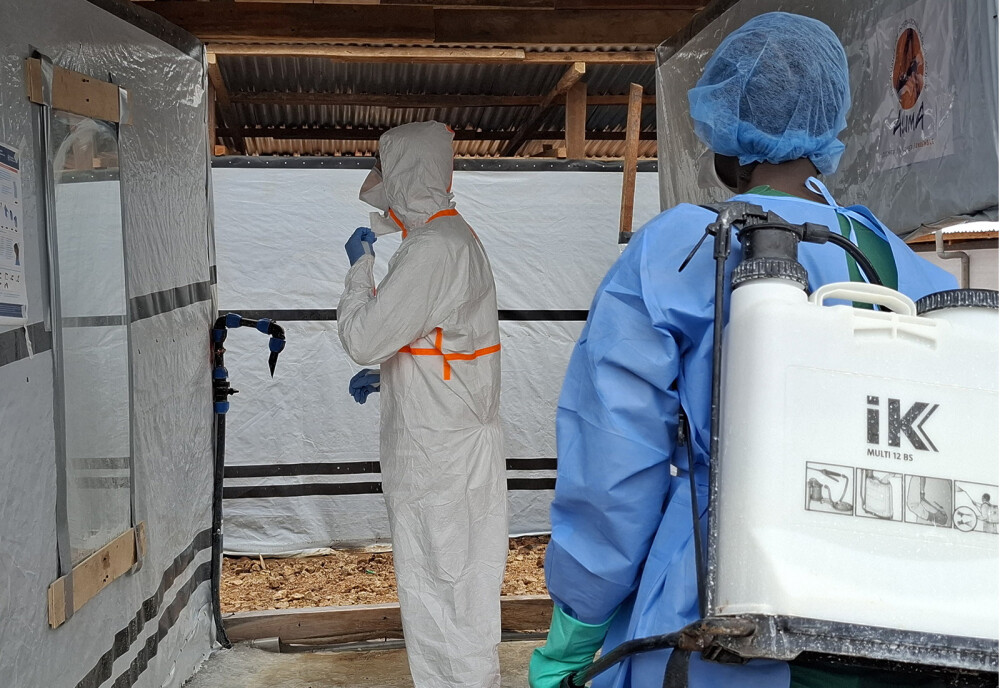
On 17 May 2026, the WHO declared the Ebola outbreak, caused by the Bundibugyo virus, in the DRC and Uganda to be a public health emergency. We are closely monitoring the outbreak in close collaboration with our long-standing partner, the Institut National de Recherche Biomédicale (INRB) in Kinshasa. Our expertise is being deployed in three areas: genetic sequencing of the virus, laboratory diagnostics, and clinical research into potential treatments.
News
All news-
 As health actors rush to curb the ongoing outbreak of the Bundibugyo virus in the Democratic Republic of the Congo (DRC), one question risks to remain unanswered: What have we done to earn the trust we assume we will receive from the local communities?
 -
Since the outbreak began, more than 1,400 people have been infected and more than 430 have died.
-
World View in Nature by Professor of Virology Kevin Ariën
-
Articles
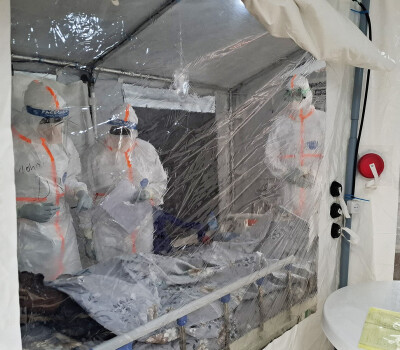
Ebola outbreak in the DRC and Uganda
 ITM is working closely with Congolese partners
Projects
EBO-BOOST
We aim to address the ongoing threat of the Ebola Virus Disease by investigating optimal timing and safety of booster vaccinations for rapid deployment during outbreaks, and strengthening local epidemic preparedness.
News
All news-
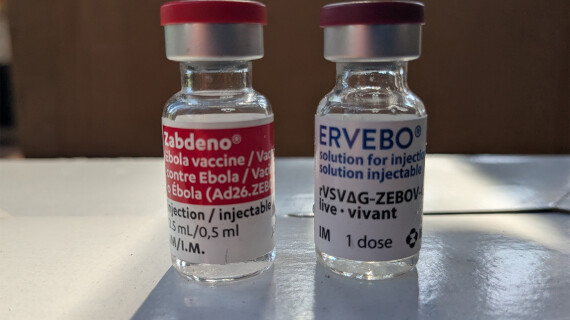
Tumaini, a pivotal Phase 2/3 clinical trial, will evaluate vaccine candidates including Ervebo as part of the DRC's outbreak response. There is currently no approved vaccine against Bundibugyo virus. Tumaini aims to close that gap.
-
EBO-BOOST-BRIDGE analyses blood samples from over 600 people vaccinated against the Zaire ebolavirus.
-
When the current Bundibugyo Ebola outbreak emerged in the Democratic Republic of Congo, researchers at ITM’s partner institute, Institut National de Recherche Biomédicale (INRB), responded immediately. ITM Professor Koen Vercauteren talks about the role of long-term investment in sequencing technologies and scientific partnerships.
-
Impact stories
Diary of Isabel
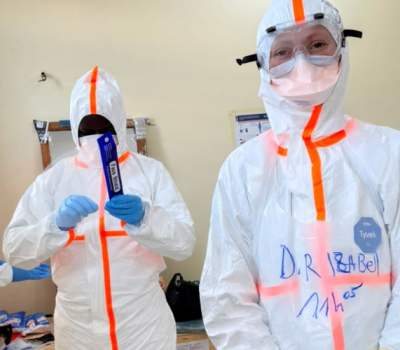
Isabel Brosius, a doctor and researcher with the Tropical Infectious Diseases Unit, takes you behind the scenes of an investigation into an outbreak of Bundibugyo ebolavirus. In her diary, you follow the launch of a study in the Democratic Republic of the Congo, from training sessions and protocols to the first patients. She writes about the science behind an outbreak, but also about everything that happens around it: working across borders and cultures, solving unexpected problems, and balancing the roles of doctor and researcher. Follow Isabel as a research protocol gradually becomes reality, in the midst of an Ebola outbreak. -
Knowledge about the Zaire ebolavirus does not automatically apply to the Bundibugyo virus.
-
As health actors rush to curb the ongoing outbreak of the Bundibugyo virus in the Democratic Republic of the Congo (DRC), one question risks to remain unanswered: What have we done to earn the trust we assume we will receive from the local communities?
-
Since the outbreak began, more than 1,400 people have been infected and more than 430 have died.
-
The award celebrates five decades of pioneering work on Ebola and other epidemic threats.
-
World View in Nature by Professor of Virology Kevin Ariën
-
Articles
Ebola outbreak in the DRC and Uganda
ITM is working closely with Congolese partners -
Press releases
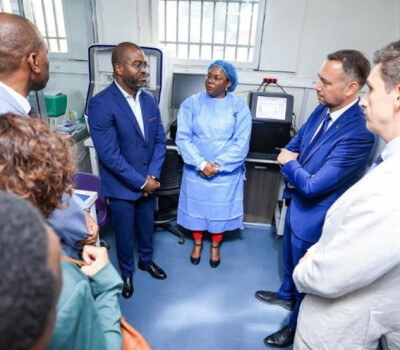
Minister Prévot visits Congolese partners of ITM in fight against mpox and sleeping sickness
Investing in cooperation is investing in a safer future -
Press releases
Does a second shot help? First large-scale comparison of different booster vaccinations against Ebola
Improved immunity and local testing may hasten outbreak containment. -
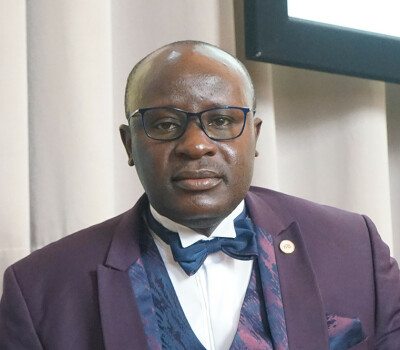
Dr Daniel Mukadi-Bamuleka recently graduated with a PhD from ITM, and he impressed everyone by appearing on the cover page of the last edition of The Lancet eBioMedicine Discovery Science. This achievement prompted an interview with Dr Mukadi-Bamuleka, a rising star in the field of virology, who now serves as the Director of the newly inaugurated Rodolphe Mérieux Laboratory in Goma, a branch of the National Institute of Biomedical Research (INRB), in the North Kivu Province of the Democratic Republic of the Congo (DRC).
-
Articles
Ebola outbreak in DR Congo
Travellers to the region must adhere strictly to the travel advice given. -
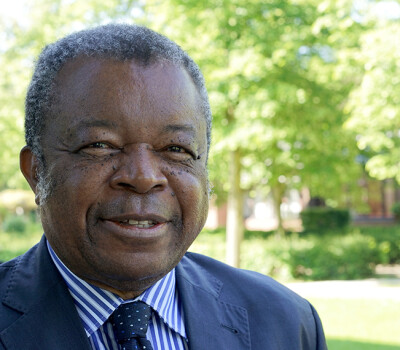
Prof Muyembe was awarded for his fight against Ebola
-
On Saturday (26 May), ITM will send two researchers to Congo to assist its partners in the Ebola outbreak.
-
The prize is awarded once every three years and is intended to promote clinical and experimental research in tropical medicine.
-
Articles
Maternal and child health post-Ebola
Maternal and child health services have not yet recovered from Ebola -
ITM researchers Guido van der Groen and Peter Piot co-discovered the Ebola virus, which was first studied in Zaire in 1976.
-
No significant association between the dose of anti-Ebola virus antibodies administered and mortality.
-
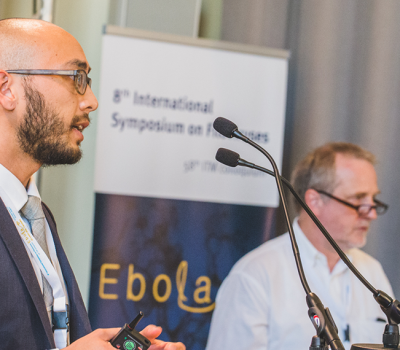
8th International Symposium on Filoviruses/58th ITM colloquium in Antwerp
-
Articles
Cuban Health Minister visits ITM
-
A group of over 30 Guinean alumni of the Institute of Tropical Medicine joined forces
-
Articles
Flying in the time of Ebola
Memories of Antwerp - series by journalist-in-residence Diana Wangari