Strengthening virology capacity in Nepal through partnership
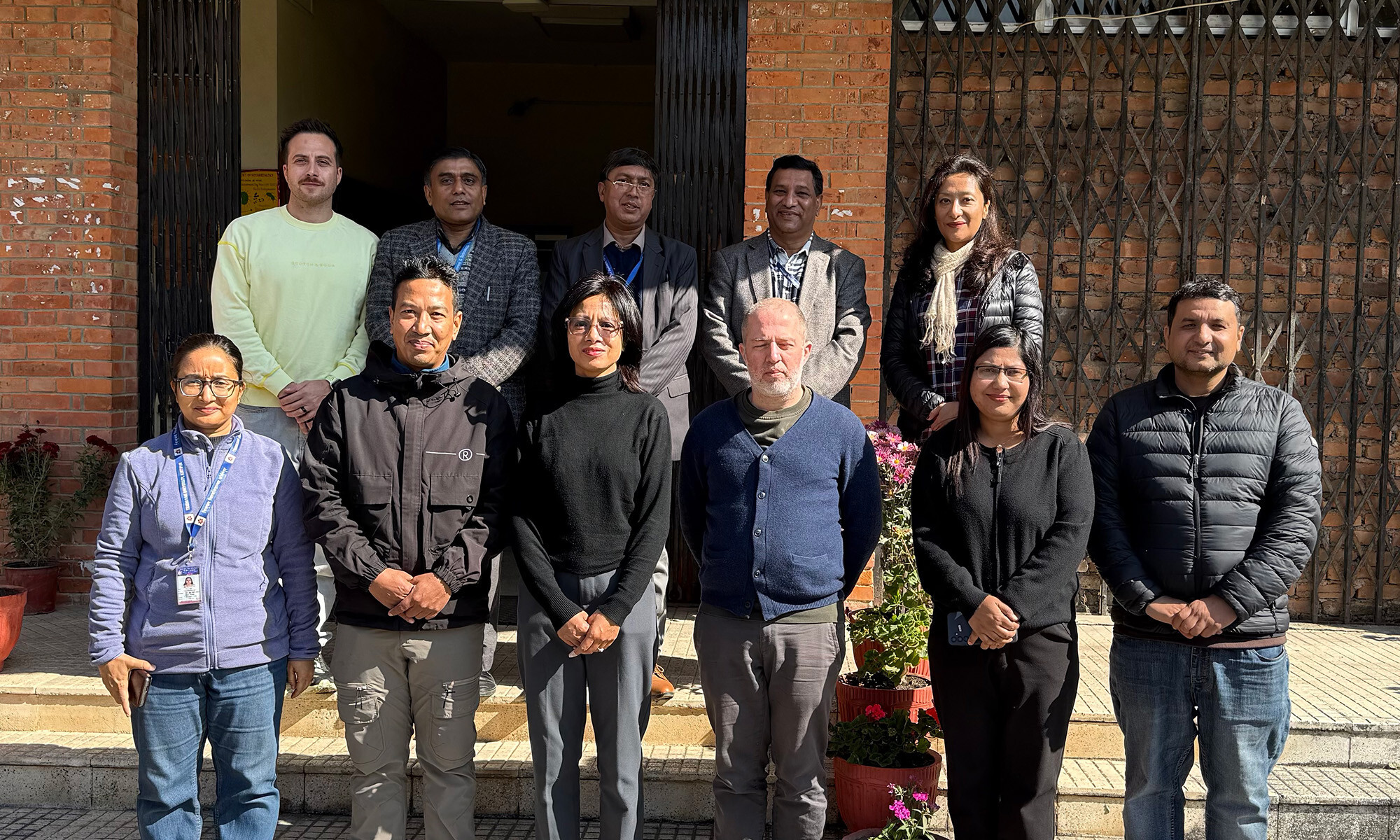
From 14 to 28 November 2025, ITM researchers Dr Marco Brustolin (Entomology Unit) and Dr Koen Bartholomeeusen (Virology Unit) travelled to Kathmandu, Nepal, to deliver a training course at the Central Department of Microbiology of Tribhuvan University. The BasVir course marked an important step towards strengthening the local virology capacity at the institute.
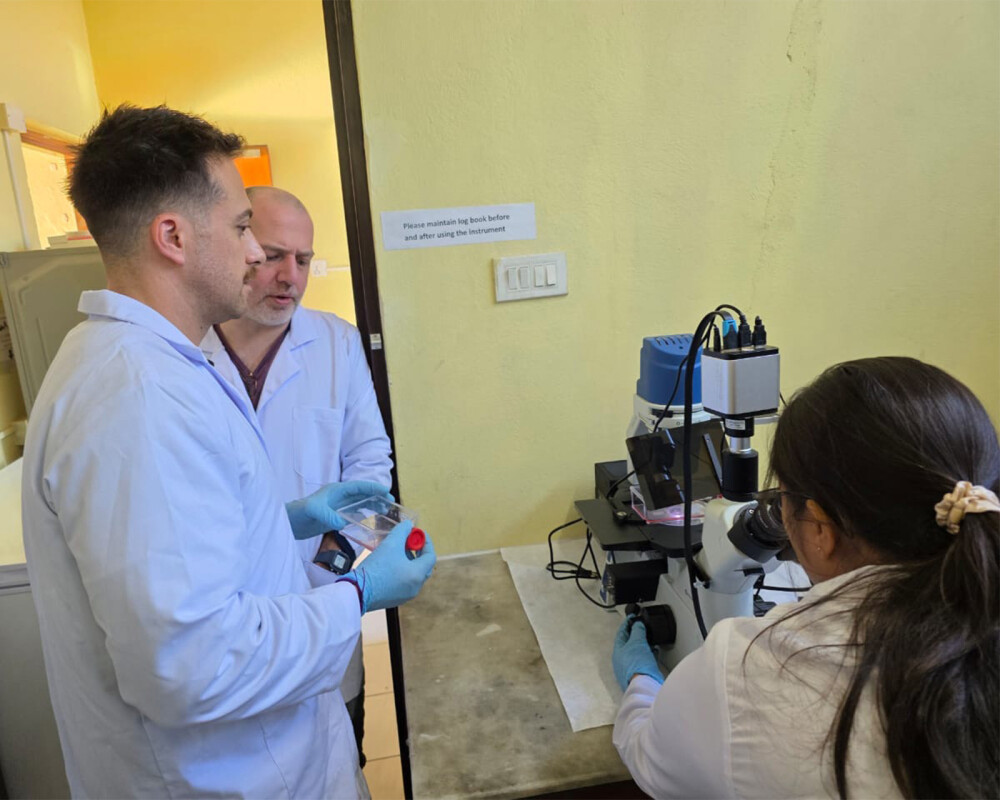
Over the two-week programme, an operational cell-culture laboratory was successfully established, equipped to support routine virological work. Four junior faculty members received hands-on training and close mentoring, building practical expertise in essential virological techniques. Aedes albopictus C6/36 cells were successfully introduced and maintained, and reliable workflows for dengue virus manipulation, particularly routine handling of DENV-2, were put in place.
All participants received extensive biosafety training, and a technical review of the national biosafety guidelines for BSL-2 virology laboratories was carried out. Work began on the development of laboratory protocols and standard operating procedures (SOPs) tailored to local infrastructure, laying the groundwork for safe, standardised and sustainable future operations. The ITM team has committed to providing continued remote support to review these documents and offer constructive feedback in the coming months.
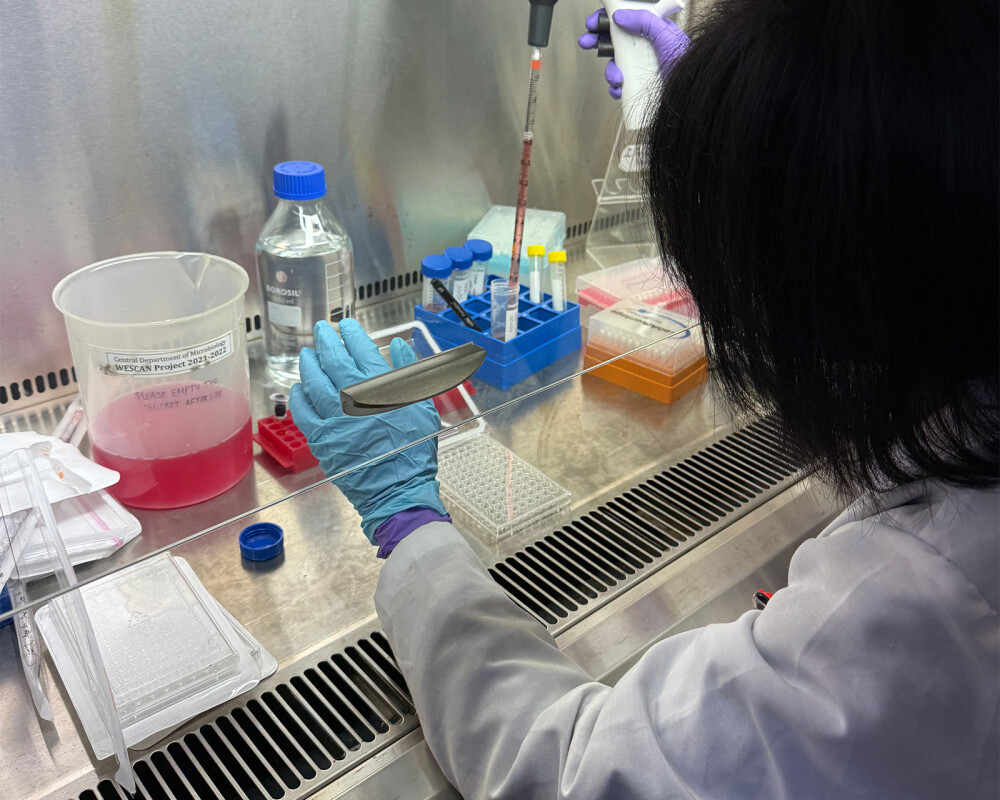
The enthusiasm and dedication of the participants were clear: all successfully passed the final assessment and expressed a strong motivation to further develop the laboratory and pursue research lines grounded in the newly acquired skills. Both institutions reaffirmed their commitment to strengthening their collaborative ties and exploring future joint activities to further consolidate virological capacity in Nepal.
The training course reflects the shared commitment to long-term collaboration, skills sharing and locally anchored research. It was made possible with the support of the staff mobility initiative of the Alliance for Education in Tropical Medicine and International Public Health.
Spread the word! Share this story on
More stories
-
 - Articles
New study provides the first comprehensive overview of the Bundibugyo Ebola virus
Knowledge about the Zaire ebolavirus does not automatically apply to the Bundibugyo virus.Read more -
- Articles
New evidence for more accessible blood culture diagnostics
ITM researchers find that blood culture bottles and automated systems from different manufacturers can, in most cases, be used interchangeablyRead more -
- Articles
“What I learn here can improve care for tuberculosis patients in Nigeria”
Introducing Dr Zeynab Olamide Rabiu, recipient of the Armand Van Deun ScholarshipRead more -
- Articles
The strengths that matter in a crisis are built through years of partnership.
Belgium, the DRC and ITM continue to build a lasting partnership.Read more -
- Articles
Erasmus+ mobility: training programme on field approaches of vector control strategies and West Nile virus screening
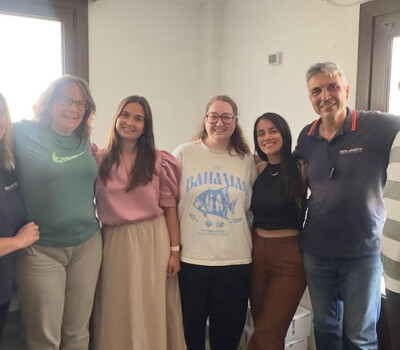
From 6 to 17 July 2026, Stien Vereecken and Emma Vandenberghe, two ITM scientists from the Unit of Entomology, participated in a specialised training programme at Ecodevelopment in Greece, with the support of an Erasmus+ staff mobility grant.Read more -
- Articles
Wanted: Artist to critically engage with ITM’s colonial heritage
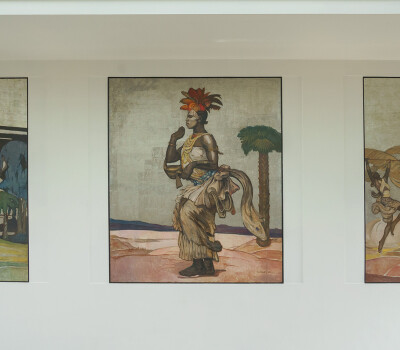
As part of our ongoing reflection on our colonial heritage and institutional history, ITM is launching an artist residency in collaboration with Africalia. We are looking for an artist from the Democratic Republic of the Congo to critically engage with the artworks by Fernand Allard l’Olivier and the broader questions they raise about institutional memory, colonial heritage and the continuing impact of colonialism on the present. Apply for our open call before 20 August.Read more -
- Articles
Community trust should be earned, not assumed
As health actors rush to curb the ongoing outbreak of the Bundibugyo virus in the Democratic Republic of the Congo (DRC), one question risks to remain unanswered: What have we done to earn the trust we assume we will receive from the local communities?Read more -
- Articles
Two new EDCTP grants awarded to ITM
In focus: tuberculosis diagnosis and enhancing expertise in clinical research in sub-Saharan AfricaRead more -
- Articles
From preparedness to practice: bringing evidence closer to reality
With the Fresh Off The Journal series, we bring you our monthly research highlights.Read more -
- Articles
EOS Pipet Award: Isabel Brosius investigated the mpox virus during the outbreak
At the start of a major outbreak of a new mpox variant in the Democratic Republic of the Congo, infectious disease specialist Isabel Brosius (ITM) decided to travel to the region immediately.Read more