Fresh Off The Journal: February 2026
Publication highlights: February 2026
Every year, our ITM researchers, together with their partners, publish around 380 articles in high-impact journals. Each month, we highlight a selection of these publications.
Department of Biomedical Sciences

Multiplex PCR boosts Dengue detection in Peru
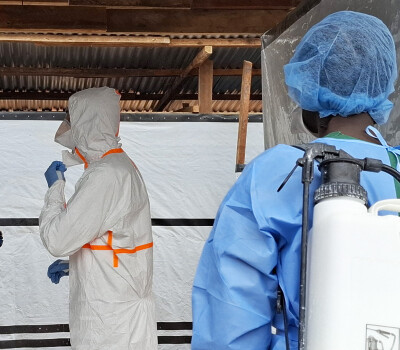
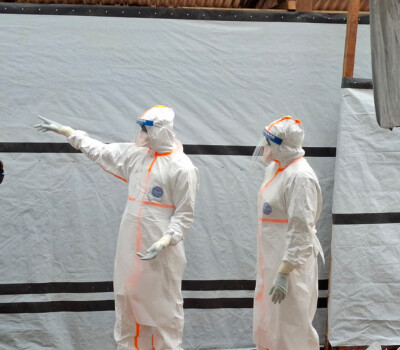
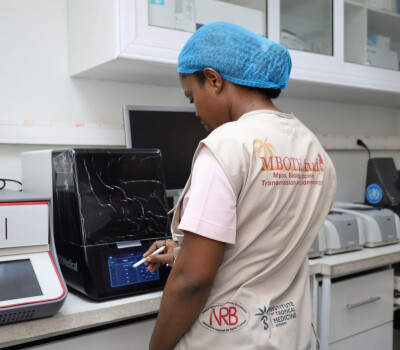
Dengue diagnosis is often hard in places where multiple viruses circulate and tools are limited. Working with Peru’s Instituto de Medicina Tropical Alexander von Humboldt, researchers tested 271 fever patients during a dengue outbreak using clinical checks, rapid tests, ELISA and a newly implemented multiplex PCR. The PCR was highly accurate and outperformed the other methods. The study shows that advanced molecular testing can work in regional hospitals, enabling faster and more reliable diagnosis, hence improving outbreak response.The picture is from the road to the next bigger town.
Hauner, A., Aroni-Sierra, J., Merino, X., Villa, C., Torres, F., Lagatie, O., Talledo, M., Ariën, K. K., & Falconi-Agapito, F. (2026). Assessing the diagnostic performance of clinical, serological and molecular approaches to improve dengue case detection in the Peruvian Amazon. PLOS Neglected Tropical Diseases, 20(2), e0013984. https://doi.org/10.1371/journal.pntd.0013984
Why chikungunya lingers for some
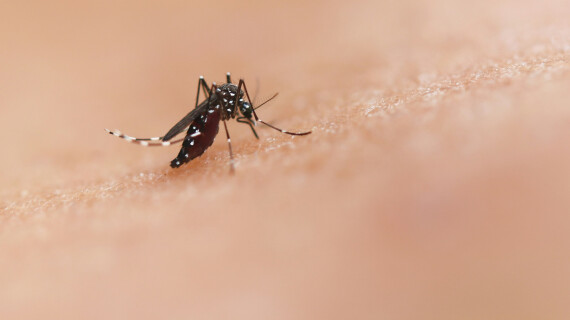
About half of people infected with chikungunya experience long-lasting joint pains after the virus is gone. In this study, ITM researchers, together with partners in Cambodia and at UAntwerp, examined white blood cells (CD4 T cells) six months after infection, comparing people who did -or didn’t- develop chronic symptoms. They identified a recurring immune “fingerprint” in those cell’s receptors, more common in women, pointing to a sex-linked immune background and suggesting possible markers to flag higher risk.
Bartholomeeusen, K., Affaticati, F., Willems, B., Dhondt, E., Bartholomeus, E., Maestri, A., LY, S., Duong, V., Ogunjimi, B., Meysman, P., Laukens, K., Cantaert, T., & Ariën, K. K. (2026). Identification of a TCR signature in peripheral blood derived CD4+ T cells, associated with chronic chikungunya disease (CCD), suggests a conducive, female-biased, background immune profile. Frontiers in Immunology.
https://www.frontiersin.org/journals/immunology/articles/10.3389/fimmu.2026.1739100/abstract

Training in days, rapid results in a few steps
Fever can signal many illnesses in the Democratic Republic of the Congo, including sleeping sickness (HAT), which can be fatal if missed. Researchers validated a cartridge-based “sample-to-result” platform detecting HAT, dengue, chikungunya, and yellow fever. Implemented in Kimpese with just a few days of training, all patients tested negative, but the study shows the workflow’s feasibility and the value of open, flexible systems to strengthen surveillance and support HAT elimination.
Hauner, A., Lusala, S. M., Rogé, S., Van Reet, N., Cnops, L., Da Luz, R. I., Van Esbroeck, M., Kapandji, M., Kuamfumu, M. M., Kiabanzawoko, O., Phanzu, D. M., Verlé, P., Ahuka-Mundeke, S., & Ariën, K. K. (2026). Development and validation of a sample-to-result real time multiplex RT-PCR test for human African trypanosomiasis and arboviral febrile illnesses in the Democratic Republic of the Congo. BMC Infectious Diseases. https://doi.org/10.1186/s12879-026-12550-0
Department of Clinical Sciences
Inside the Panzi outbreak investigation
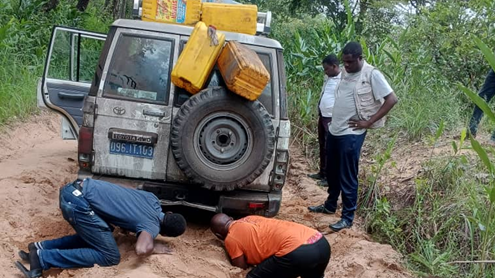
Working with the Institut National de Recherche Biomédicale (INRB) and the University of Kinshasa clinics, a multidisciplinary team investigated an “unknown” outbreak in Panzi, marked by fever and cough (more than 400 reported cases). Escalation with 31 deaths prompted national and international concerns. The study illustrates the team’s capacity to conduct outbreak investigations in a hard-to-reach area. Advanced molecular laboratory tools confirmed known pathogens. Findings suggest the surge was driven mainly by malaria, alongside viral respiratory infections in the context of malnutrition.
Wawina-Bokalanga, T., Makangara-Cigolo, J.-C., Ola-Mpumbe, R., Lokilo, E., Mwakisenda-Tshakotsho, F., Delphine, M., Kahindo, I., Tshonaka-Nkololo, A., Vakaniaki, E. H., Loman, N., Houben, S., Lumembe-Numbi, R., Kinganda-Lusamaki, E., Ponga-Museme, A., Mukota-Nungu, Y., Kumar, A., Meris, M., Wilkinson, S., Colquhoun, R., & Kenye, K.-M. (2026). Deciphering the etiology of the 2024 outbreak of undiagnosed febrile illness in Panzi, Democratic Republic of the Congo. Nature Medicine. https://doi.org/10.1038/s41591-026-04235-7
Vietnam’s shift to all-oral drug-resistant TB treatment
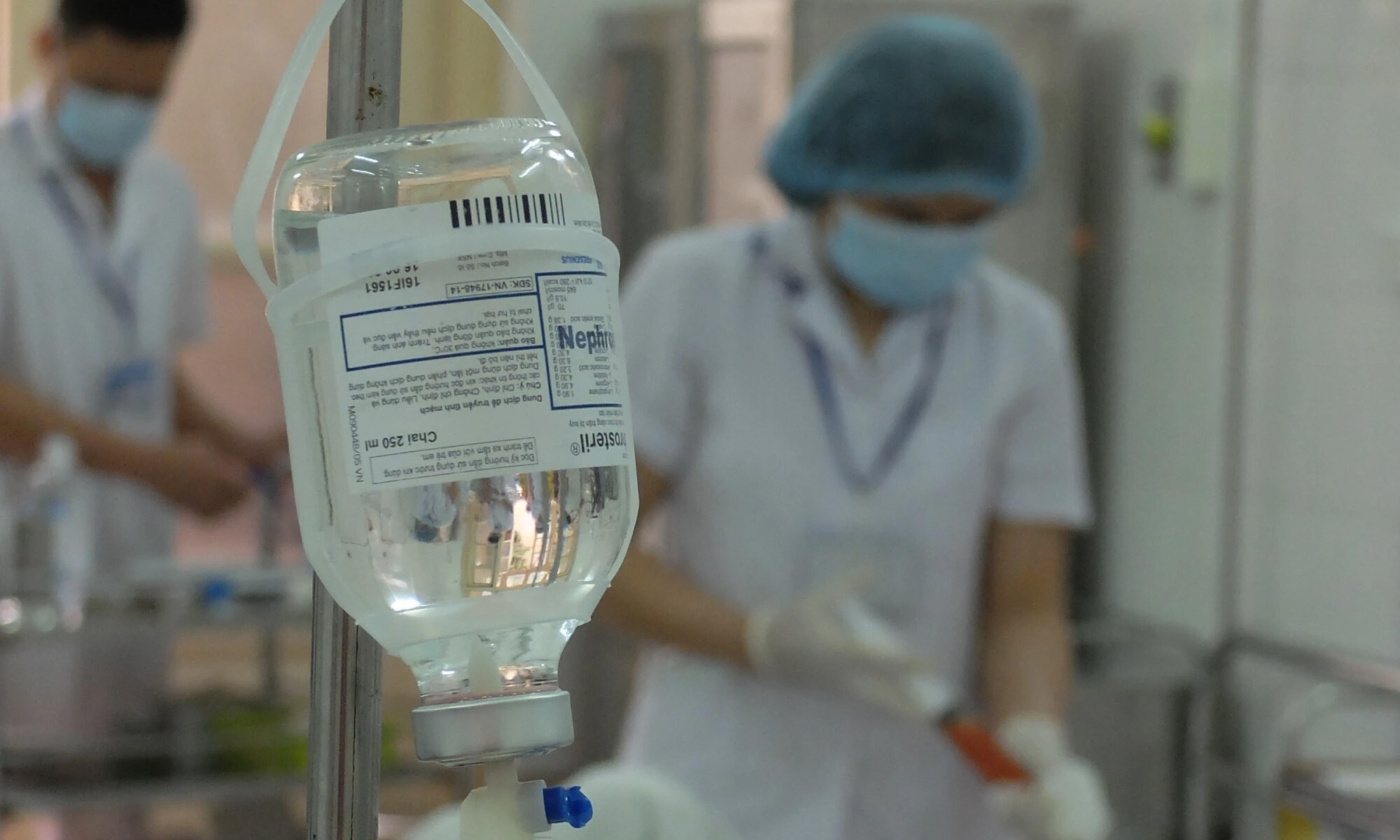
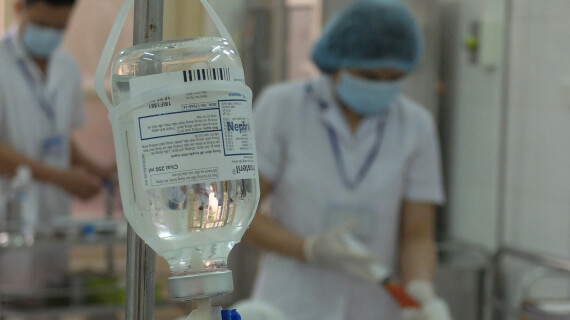
Vietnam has been shifting treatment for rifampicin-resistant tuberculosis away from painful injectables toward shorter, all-oral regimens. But does it improve outcomes nationwide? In a 2021–2022 cohort of 4,814 patients, 71.2% finished treatment successfully. Short regimens with bedaquiline did better than short regimens with injectables, and long regimens for patients not eligible for short regimens had more unfavourable outcomes. A major problem remained: many patients were lost to follow-up (13.3%). The work was done with partners in Hanoi (National Lung Hospital, Hanoi Medical University, and Vietnam National University Hanoi).
Mai, T., Dinh, V. L., Nguyen, B. H., Thanh, T., Nguyen, V. N., Callens, S., & Decroo, T. (2026). From trials to programmatic scaleup: treatment outcomes of rifampicinresistant tuberculosis during transition to short oral regimens in Vietnam (2021–2022). International Journal of Infectious Diseases, 163. https://doi.org/10.1016/j.ijid.2025.108222
Test smarter: who (not) to screen for gonorrhoea
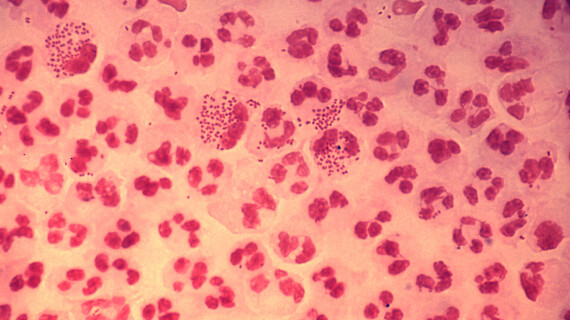
Can routine testing for gonorrhoea and chlamydia in men who have sex with men reduce infections, without fuelling antibiotic resistance? In a Belgian modelling study, gonorrhoea prevalence stayed roughly 12–16% across many testing strategies, and chlamydia barely shifted. Testing men with few partners helped little but increased the risk of resistant gonorrhoea, especially when many people were tested but not often. The model favours targeting higher-risk men and complementing testing with other tools.
Tsoumanis, A., Vanbaelen, T., Van Dijck, C., Kenyon, C., & Hens, N. (2025). Screening for gonorrhoea and chlamydia: identifying key target populations and intensity—a modelling study of MSM in Belgium. Sexually Transmitted Infections, 102(2), 66–73. https://doi.org/10.1136/sextrans-2025-056540
Department of Public Health
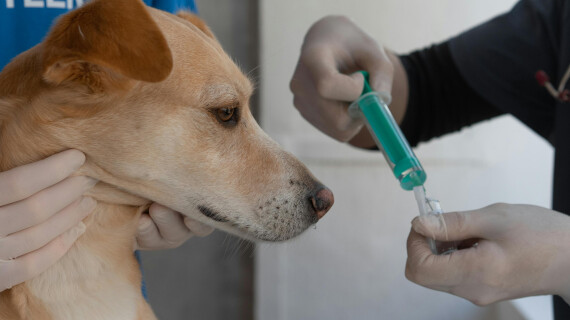
Evaluating a new community approach to dog vaccination
How do you stop rabies where access is limited? In Tanzania’s Mara region, researchers piloted a community-based, continuous mass dog vaccination strategy to reach more owners, more often. By combining free, frequent, sub-village campaigns with strong local involvement, the program improved access and participation. The study highlights what helped, including free vaccines and local clinics, and what hindered participation, such as long distances, difficulty handling dogs, and daily livelihood conflicts.
Duamor, C. T., Wyke, S., Hampson, K., Cleaveland, S., Mpolya, E., Kreppel, K. S., Lugelo, A., Changalucha, J., Lushasi, K., Czupryna, A., Sambo, M., & Lankester, F. (2025). Factors that Influenced the Delivery of a Community-Based Continuous Mass Dog Vaccination Approach in the Mara Region of Tanzania. Frontiers in Tropical Diseases, 7. https://doi.org/10.2139/ssrn.5234424
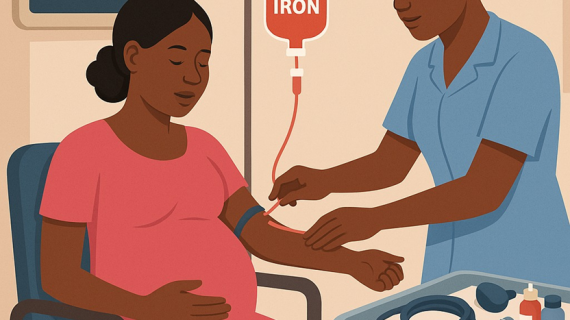
Alternative approach to treating anemia in pregnancy
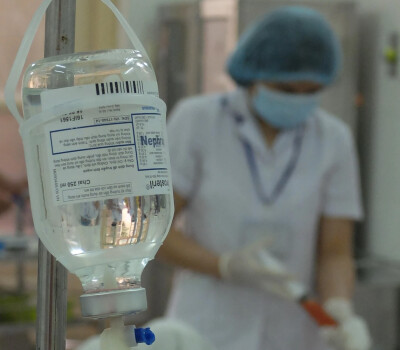
In Nigeria’s antenatal clinics, health workers introduced intravenous iron as an alternative to oral supplements for treating anaemia in pregnancy. Surveys from 11 facilities showed high initial ratings, and confidence grew with experience. Acceptability rose significantly while feasibility improved more modestly. Perceptions were consistent across roles and facilities, suggesting IV iron can fit routine care despite some workflow challenges. CCTRIS, in collaboration with ITM, was pivotal in driving this research.
Akinajo, O. R., Banke-Thomas, A., Annerstedt, K. S., Beňová, L., Adelabu, Y. A., Sam-Agudu, N. A., & Afolabi, B. B. (2026). Intravenous iron for anaemia in pregnancy: A quantitative study of acceptability and feasibility of its integration into routine antenatal care practice in Nigeria. PLOS One, 21(2), e0328239. https://doi.org/10.1371/journal.pone.0328239

Advancing access to controlled medicines for children
Children in many countries still struggle to get controlled medicines for pain, seizures, and other serious conditions. Families face fear and complex rules, while health workers often lack child‑appropriate options. Lessons from Uganda, India, and Costa Rica show that progress is possible when systems prioritise children. Building on these experiences, the authors outline a functional framework that helps governments strengthen policy, supply, and care so access becomes reliable and safe.
Tarrafeta-Sayas, M.-B., Maser, B., García-Quintero, X., Rayala, S., Gutiérrez, H. M., Downing, J., Namisango, E., Anghelescu, D., Cheng, L., Doherty, M., Gafer, N., Lawler, K., McNeil, M. J., Rana, S., Zhai, X., Gui, Q., Oei, J.-L., Sáenz, E., & Ravinetto, R. (2026). Children’s access to controlled medicines: policy lessons, intervention priorities, and a framework for action. The Lancet Child & Adolescent Health. https://doi.org/10.1016/s2352-4642(25)00375-x
News
All news-
 With the Fresh Off The Journal series, we bring you our monthly research highlights.
 -
With the Fresh Off The Journal series, we bring you our monthly research highlights.
-
With the Fresh Off The Journal series, we bring you our monthly research highlights.
-
With the Fresh Off The Journal series, we bring you our monthly research highlights.
-
Articles
Fresh Off The Journal: April 2026
 With the Fresh Off The Journal series, we bring you eight research highlights every month.
 -
Articles
Fresh Off The Journal: March 2026
With the Fresh Off The Journal series, we bring you eight research highlights every month. -
Articles
Fresh Off The Journal: February 2026
With the Fresh Off The Journal series, we bring you nine research highlights every month. -
With the Fresh Off The Journal series, we bring you nine research highlights every month.
-
Articles
Fresh Off The Journal: November 2025
With the Fresh Off The Journal series, we bring you nine research highlights every month. -
Articles
Fresh Off The Journal: October 2025
With the Fresh Off The Journal series, we bring you nine research highlights every month. -
With the Fresh Off The Journal series, we bring you nine research highlights every month.




Spread the word! Share this story on
More stories
-
- Articles
Final preparations underway for pivotal Phase 2/3 Bundibugyo vaccine trial
Tumaini, a pivotal Phase 2/3 clinical trial, will evaluate vaccine candidates including Ervebo as part of the DRC's outbreak response. There is currently no approved vaccine against Bundibugyo virus. Tumaini aims to close that gap.Read more -
- Articles
Who is at risk, and who is reached? Eight new insights into infection, care and prevention
With the Fresh Off The Journal series, we bring you our monthly research highlights.Read more -
- Articles
First 100 medical crisis intervention volunteers are undergoing training at ITM
One hundred volunteer doctors and nurses will form a Medical Reserve Unit (MRE) in Flanders that can be deployed rapidly in the event of acute, local health crises. They are gathering today for the first time for a training day on infectious diseases and outbreaks at the Institute of Tropical Medicine in Antwerp. They were welcomed by Caroline Gennez, the Flemish Minister for Welfare and Public Health, who will be providing 250,000 euros per year to the MRE over the next three years.Read more -
- Articles
How a nurse from Sierra Leone broadened her perspective at ITM
Introducing graduate Fatmata Bintu KargboRead more -
- Articles
Connecting research, policy and partnerships for better access to cancer medicines
Tinashe Zigomo, a PhD candidate at the University of the Western Cape School of Public Health, reflects on a four-week visiting scholar period at ITM Antwerp, focused on access to essential breast cancer medicines in low-resource settings.Read more -
- Articles
An infectious disease anywhere is an infectious disease everywhere
From the frontlines of the current Ebola outbreak in Central Africa to the resurgence of drug-resistant TB in Europe, weakening global health systems make all of us less safe.Read more -
- Articles
Infectious disease specialist Isabel Brosius wins Eos Pipet 2026 for her leadership in mpox research
The jury praises her strong scientific work and pronounced societal engagement.Read more -
- Articles
Strong collaboration strengthens the response: how jointly developed sequencing expertise helps to unravel the Bundibugyo Ebola outbreak
When the current Bundibugyo Ebola outbreak emerged in the Democratic Republic of Congo, researchers at ITM’s partner institute, Institut National de Recherche Biomédicale (INRB), responded immediately. ITM Professor Koen Vercauteren talks about the role of long-term investment in sequencing technologies and scientific partnerships.Read more -
- Articles
"This research will have a far greater impact on the people of Tanzania than the PhD degree I have earned."
An interview with Dr Amani Kikula, a researcher in obstetrics and gynaecology from Tanzania.Read more -
- Articles
"Infectious diseases cannot be studied from one discipline alone"
Ahead of the 66th ITM Colloquium, scientific leads Prof Dr Johan van Griensven from the Institute of Tropical Medicine (ITM) in Antwerp and Dr Endalamaw Gadisa from the Armauer Hansen Research Institute (AHRI) in Addis Ababa discuss why mobility is central to understanding infectious diseases and why researchers need to look beyond their own discipline.Read more