Research that could not be allowed to fail
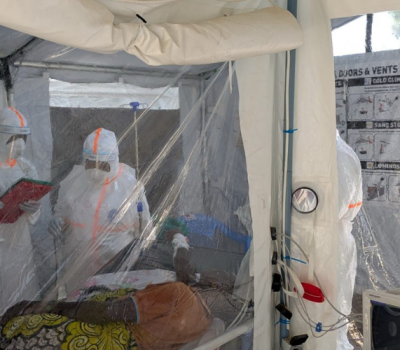
When we last spoke to Selien Oostvogels (ITM) and Christian Kahusu (INRB) together, we were at the Provincial Laboratory for Public Health and Research in Mbandaka, the capital of Equateur Province in the Democratic Republic of the Congo (DRC). There, they were celebrating an important milestone: the final follow-up visit of the EBO-BOOST study. A few months later, we are speaking to them again, whilst the DRC is grappling with its seventeenth and largest Ebola outbreak since 1976.
For Selien and Christian, the current outbreak makes their research particularly timely and relevant. As PhD researchers at the Institute of Tropical Medicine (ITM) and the Congolese National Institute for Biomedical Research (INRB), they are studying how the immune system responds to booster vaccinations against the Zaire Ebola virus. What would be the best approach to boosting immunity? Does the same vaccine elicit the strongest immune response, or does another vaccine do so more effectively?
Through the EBO-BOOST study, they are seeking answers that could help communities in regions prone to outbreaks. "For me, the people of the DRC must be the first to benefit from this," says Christian. "My country has had to deal with Ebola outbreaks so many times. Many people have been vaccinated against the Zaire Ebola virus, some even more than once. That is why we need to understand how we can strengthen their protection." The importance of the research extends beyond the DRC. The results could also help other countries at risk of Ebola outbreaks.
2,000 km to the north-west
EBO-BOOST was initially due to start in Goma, in the east of the DRC. When the M23 rebel group advanced there in January 2025 and the situation became increasingly unsafe, the research team was forced to halt its preparations. They relocated the study to Mbandaka, more than 2,000 km away in the north-west of the country.
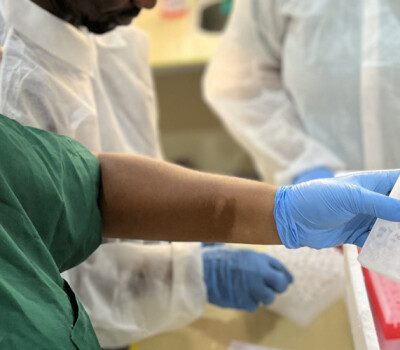
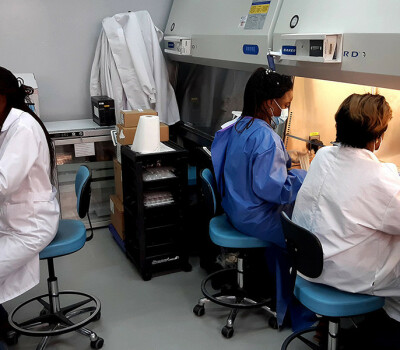
Getting the new location up and running was a logistical challenge, both inside and outside the laboratory. "At first, it seemed almost impossible to set up a clinical trial in an environment with so few resources. We invested in a separate clinic area where we could receive participants and installed air conditioning," says Selien. Because of the vaccines’ limited shelf life, recruitment sped up following the move. The fact that the study was able to start shows that, with the right people in the right place, more is possible than you might think.
When the working day starts at three in the morning
The challenges encountered during the field phase are still fresh in both researchers' minds. Christian recalls nights where the team had to get up in the middle of the night to resolve cold chain issues. The unreliable power supply made refrigerated storage particularly vulnerable. In the event of a fault, the temperature-sensitive vaccines and samples could be lost. “You wouldn’t expect something like that under normal circumstances," he says.
Selien particularly remembers the delivery of a liquid nitrogen generator. The team needed it to store the participants’ immune cells. The shipment was so complex and took so long that the generator did not arrive to Mbandaka in time. The device was therefore sent back to Kinshasa, where it still proved to be useful. "You’re not really trained for all those challenges," says Selien. "You figure it out as you go."
The success of the study depended on constant communication and close cooperation between the teams in Mbandaka and Antwerp. Whenever Christian and his colleagues in Mbandaka encountered a problem, Selien, in Antwerp would help by providing additional documentation, arranging logistical support or financial follow-up, or drawing on the expertise of the ITM office in the DRC. Conversely, ITM relied on its colleagues in Mbandaka to resolve problems on the ground.
Resilience
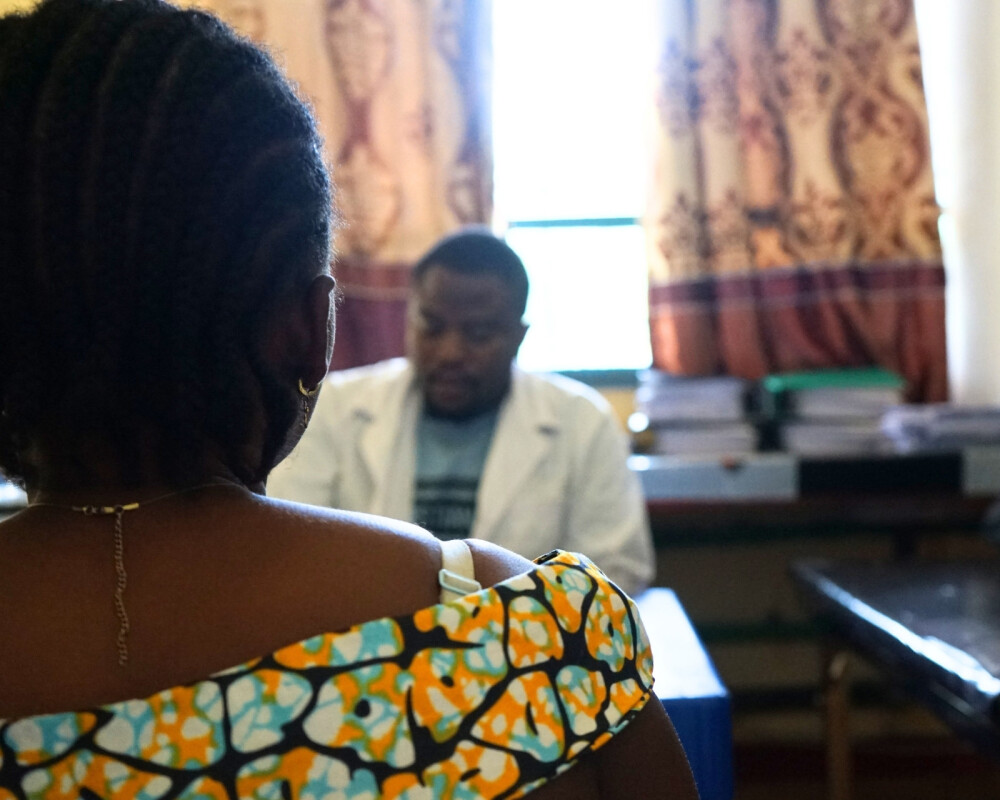
For Selien, two moments stand out: the very first visit by the first study participant and the final visit by the last study participant. "Those were the two biggest milestones," she says. When the final visit went smoothly, I thought: we've done it."
For Christian, it was the first participant’s visit that proved decisive. "The fact that we were able to start this research was a success in itself," he says. "We’d been through a lot, and at one point it was uncertain whether it would work out." Did he ever think the research would fail? “No," he says. "That was never an option."
He sums up EBO-BOOST in one word: resilience. He attributes that resilience mainly to the team on the ground. "People sometimes think working on a project is simple: you put it on paper, travel there, do the work and come back." But that’s far from reality. "Everyone was busy, and yet everyone kept going," says Christian. "At the end of a day like that, you think: I work with amazing people."
From fieldwork to results
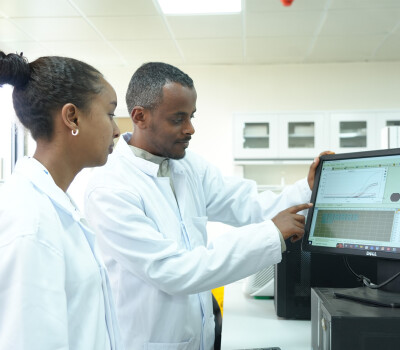
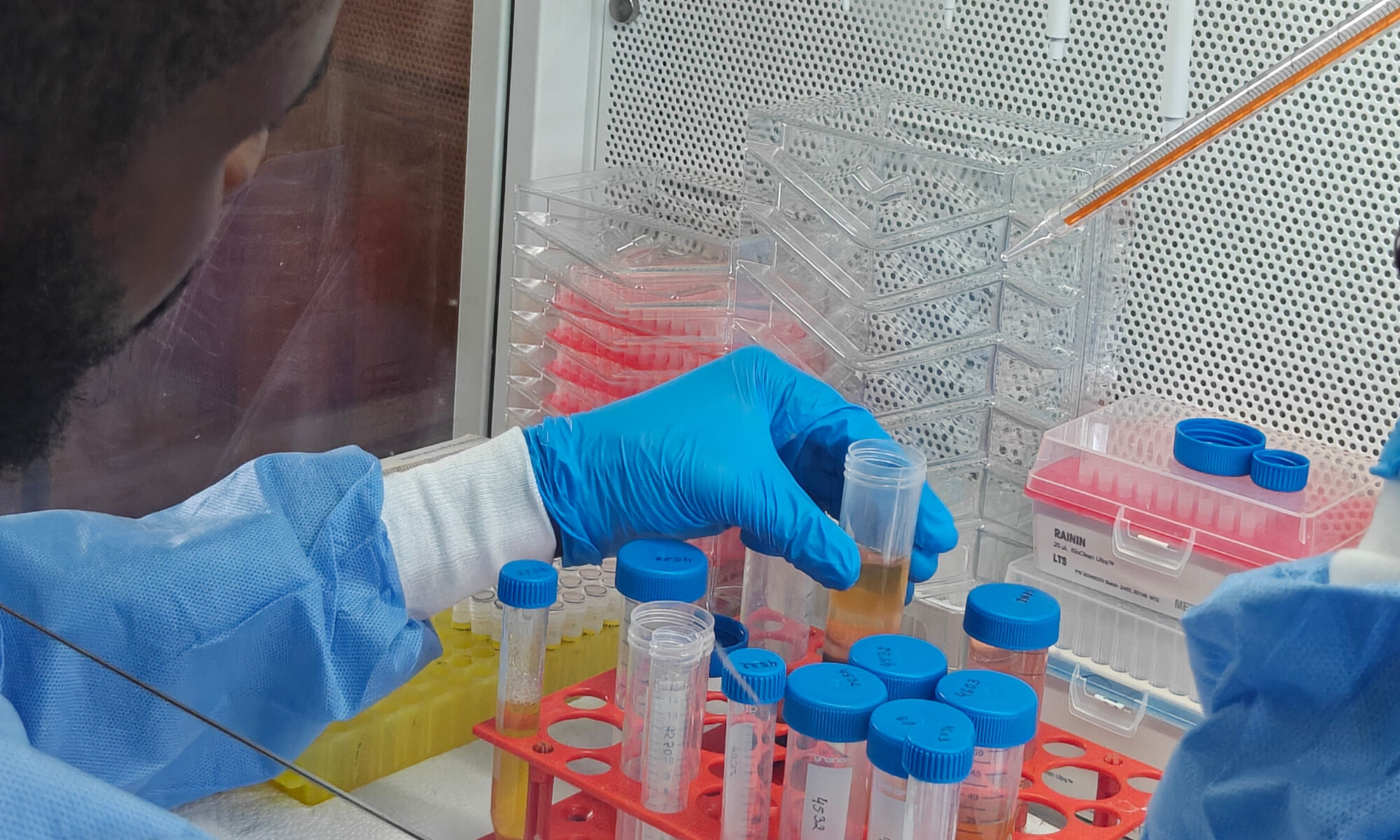
Now that all the visits have been completed, EBO-BOOST is in the analysis phase. Christian is currently working in the immunology laboratory of ITM’s Clinical Immunology Unit. Later, he will carry out neutralisation tests in the virology laboratory. These tests measure how effectively antibodies neutralise the virus. He will then focus more closely on cellular immunity: the defence response of the immune cells. Selien expects to travel to Kinshasa again for the antibody analyses and is looking forward to the interim analysis of the research data.
Both researchers are looking forward to the first scientific paper. “Analysing the initial results is an important step,” says Selien. “It will confirm the data we’ve collected and it will confirm our research design; after that, we can move forward.” Christian agrees. However, a scientific publication is not the ultimate goal. The EBO-BOOST team also wants to share the results with participants, local teams, funders, health authorities and scientists conducting research into Ebola viruses and other filoviruses.
Local preparedness
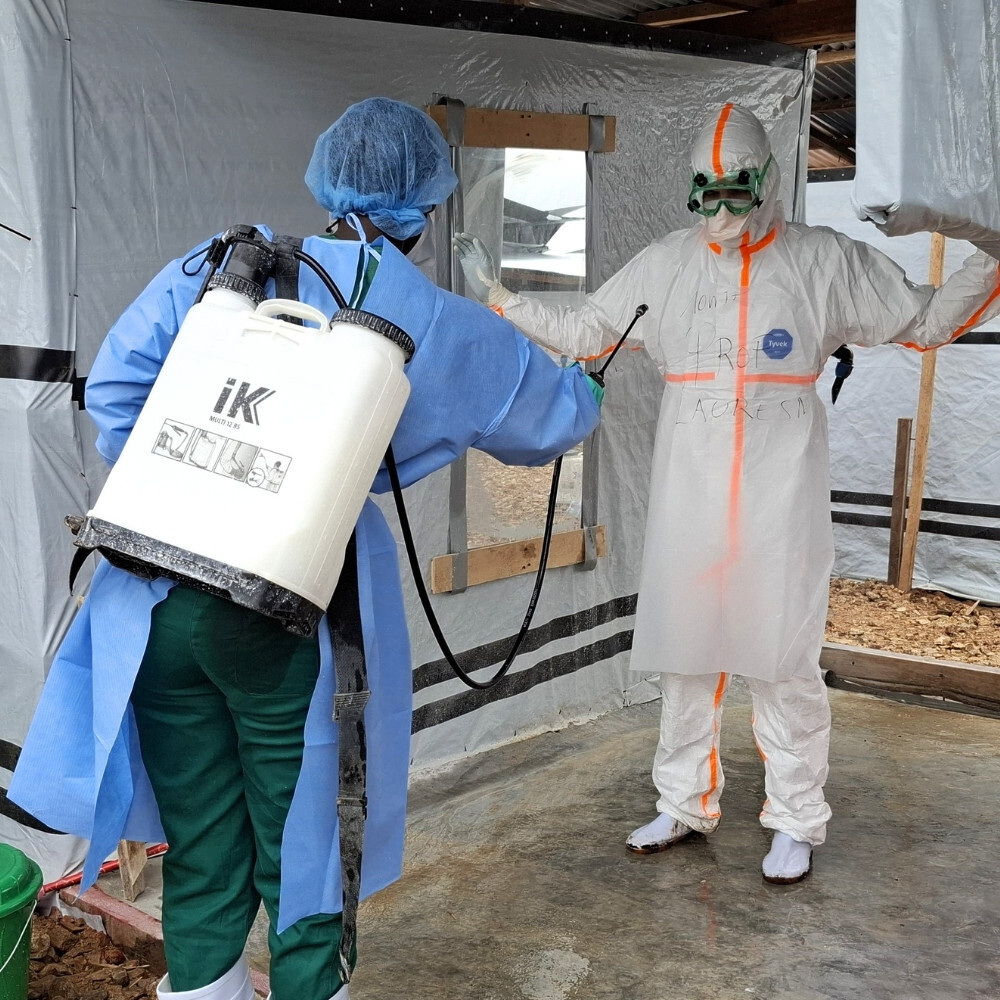
EBO-BOOST is not just about booster vaccines. The project also strengthens research capacity and outbreak preparedness. “Local preparedness is essential,” says Christian. “If the necessary knowledge and infrastructure are available on the ground, local teams can respond to an outbreak quicker.” Selien also emphasises the importance of testing capacity in the DRC. “During outbreaks, samples are often sent abroad, which is not always efficient. By strengthening local testing capacity, institutions such as the INRB can process samples and conduct research closer to the affected communities.”
EBO-BOOST demonstrates just how much collaboration, adaptability and perseverance scientific research can demand. Through this study, the team aims to better equip local researchers and health authorities for future outbreaks.
EBO-BOOST is a collaboration between ITM and the Institut National de Recherche Biomédicale (INRB), a long-standing ITM partner. It is funded by the Coalition for Epidemic Preparedness Innovations (CEPI), Merck Sharp & Dohme (MSD), and the Directorate-General for Development Cooperation and Humanitarian Aid (DGD). Johnson & Johnson and MSD donated vaccines.
Meet the researchers
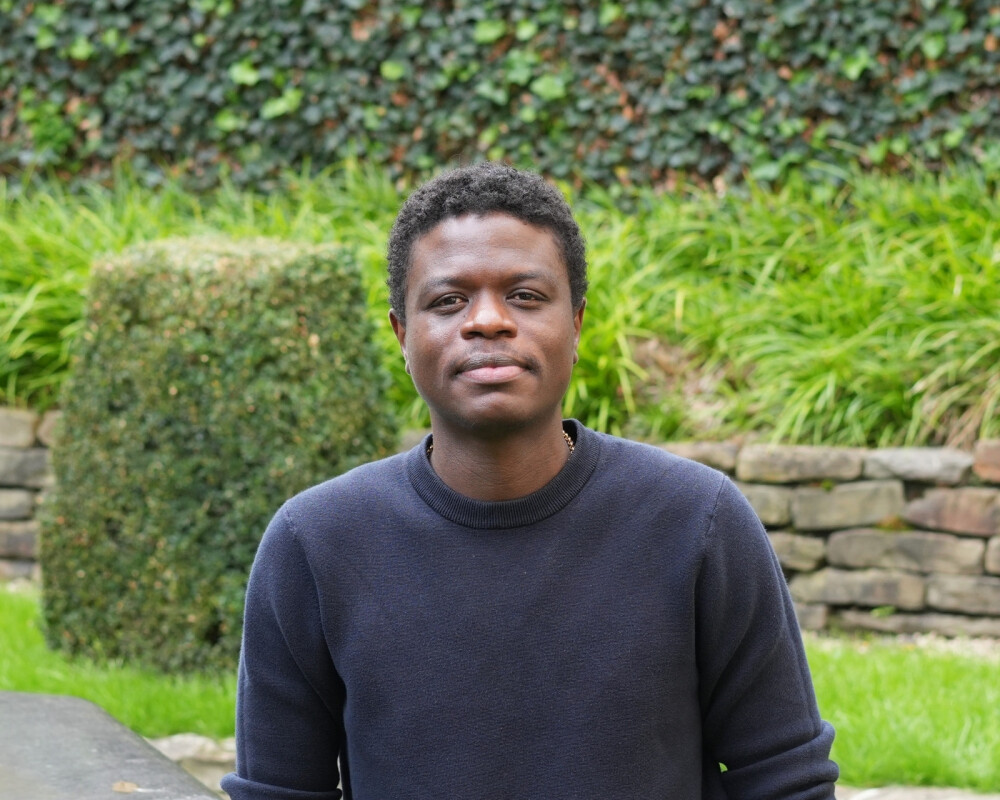
Selien Oostvogels
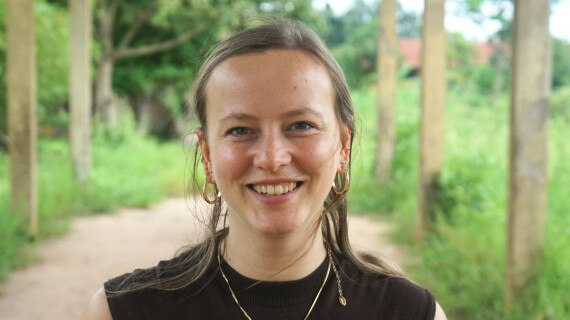
Selien Oostvogels has been involved in the EBO-BOOST project since its launch in 2022. She started in a coordinating role, and gradually, her work formed the basis for her PhD research. Selien is conducting a comprehensive analysis of the serological immunity following vaccination, looking at binding and neutralizing antibody responses.
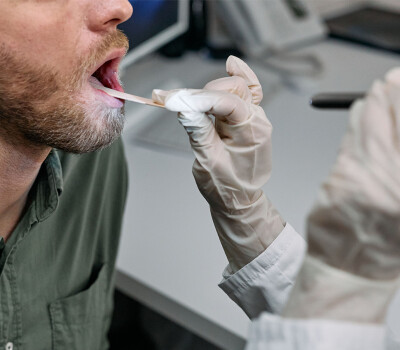
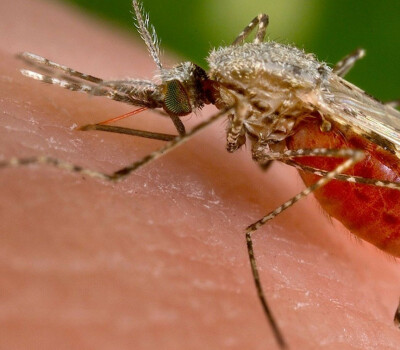
In addition, she is investigating the vaccine-induced immunity of the mucous membranes, the moist tissues found in the mouth, nose and eyes, amongst other places. These are relevant because the Ebola virus can enter the body via mucous membranes. Finally, Selien is examining how the vaccine dose and concurrent infections influence the immune response. One example is malaria, a disease that is endemic in the DRC.
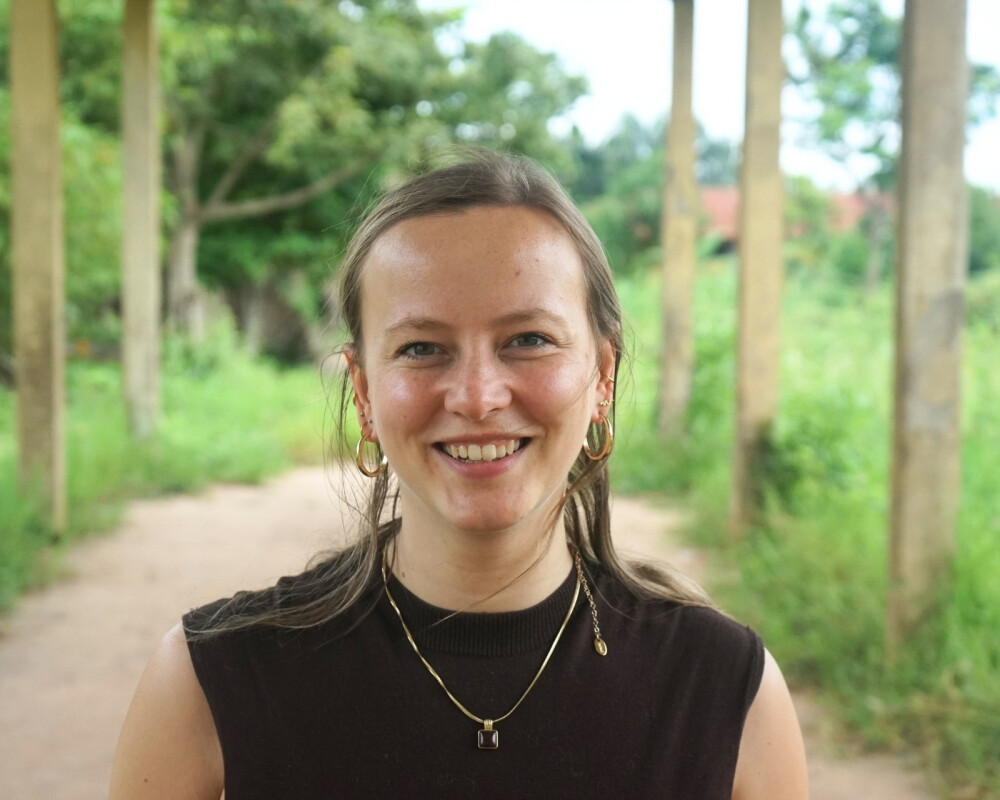
Christian Kahusu
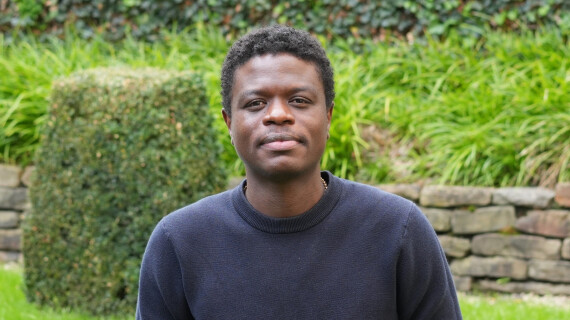
Christian Kahusu is a researcher at the INRB. As part of his sandwich PhD programme, he is currently working at ITM in Antwerp and at ULB (Université Libre de Bruxelles) . In such a programme, a researcher carries out part of their PhD research at their home institution and part at a partner institution abroad. His PhD forms part of a broader capacity-building programme, supported by the Belgian Directorate-General for Development Cooperation and Humanitarian Aid (DGD).
Ebola vaccines teach the immune system to recognise and fight the virus. Various defence mechanisms play a role in this process. Antibodies can bind and neutralise viral particles, whilst certain immune cells recognise and eliminate infected cells. Christian is investigating both responses, with a particular focus on cellular immunity.
EBO-BOOST
The EBO-BOOST project aims to address the ongoing threat of the Ebola Virus Disease by investigating optimal timing and safety of booster vaccinations for rapid deployment during outbreaks, and strengthening local epidemic preparedness.
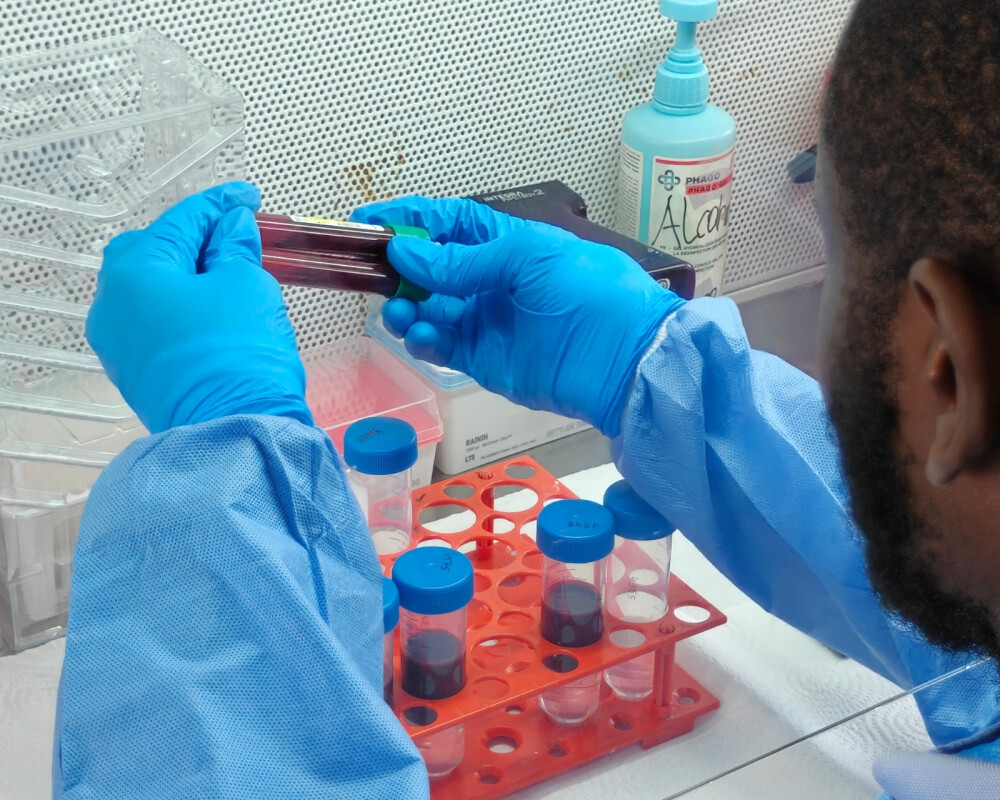
EBO-BOOST-BRIDGE
EBO-BOOST-BRIDGE builds on EBO-BOOST. Following the outbreak of the Bundibugyo virus, ITM and INRB are investigating whether the approved vaccines against the Zaire Ebola virus also elicit an immune response against other filoviruses, including the Bundibugyo virus. In the longer term, the research may contribute to the development and evaluation of vaccines that protect against different filoviruses.
EBO-BOOST-BRIDGE is funded by the Coalition for Epidemic Preparedness Innovations (CEPI) and the Belgian Directorate-General for Development Cooperation and Humanitarian Aid (DGD).
News
All news-
 EBO-BOOST-BRIDGE analyses blood samples from over 600 people vaccinated against the Zaire ebolavirus.
 -
A major milestone in the EBO-BOOST clinical trial brings us closer to more effective Ebola vaccination strategies and improved local outbreak preparedness.
-
Press releases
Does a second shot help? First large-scale comparison of different booster vaccinations against Ebola
 Improved immunity and local testing may hasten outbreak containment.
Spread the word! Share this story on
More stories
-
- Articles
How a nurse from Sierra Leone broadened her perspective at ITM
Introducing graduate Fatmata Bintu KargboRead more -
- Articles
Connecting research, policy and partnerships for better access to cancer medicines
Tinashe Zigomo, a PhD candidate at the University of the Western Cape School of Public Health, reflects on a four-week visiting scholar period at ITM Antwerp, focused on access to essential breast cancer medicines in low-resource settings.Read more -
- Articles
An infectious disease anywhere is an infectious disease everywhere
From the frontlines of the current Ebola outbreak in Central Africa to the resurgence of drug-resistant TB in Europe, weakening global health systems make all of us less safe.Read more -
- Articles
Infectious disease specialist Isabel Brosius wins Eos Pipet 2026 for her leadership in mpox research
The jury praises her strong scientific work and pronounced societal engagement.Read more -
- Articles
Strong collaboration strengthens the response: how jointly developed sequencing expertise helps to unravel the Bundibugyo Ebola outbreak
When the current Bundibugyo Ebola outbreak emerged in the Democratic Republic of Congo, researchers at ITM’s partner institute, Institut National de Recherche Biomédicale (INRB), responded immediately. ITM Professor Koen Vercauteren talks about the role of long-term investment in sequencing technologies and scientific partnerships.Read more -
- Articles
"This research will have a far greater impact on the people of Tanzania than the PhD degree I have earned."
An interview with Dr Amani Kikula, a researcher in obstetrics and gynaecology from Tanzania.Read more -
- Articles
"Infectious diseases cannot be studied from one discipline alone"
Ahead of the 66th ITM Colloquium, scientific leads Johan van Griensven from the Institute of Tropical Medicine (ITM) in Antwerp and Endalamaw Gadisa from the Armauer Hansen Research Institute (AHRI) in Addis Ababa discuss why mobility is central to understanding infectious diseases and why researchers need to look beyond their own discipline.Read more -
- Articles
Staying ahead of resistance: from bacteria to better care
With the Fresh Off The Journal series, we bring you our monthly research highlights.Read more -
- Articles
ITM helps investigate airport malaria in Germany
ITM draws on its experience with rare, locally acquired malaria cases.Read more -
- Articles
New study provides the first comprehensive overview of the Bundibugyo Ebola virus
Knowledge about the Zaire ebolavirus does not automatically apply to the Bundibugyo virus.Read more