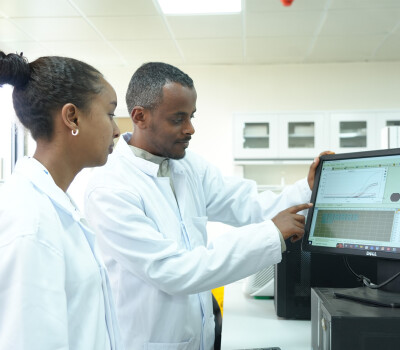
Last study participant followed up in unique Ebola vaccine booster trial in DRC
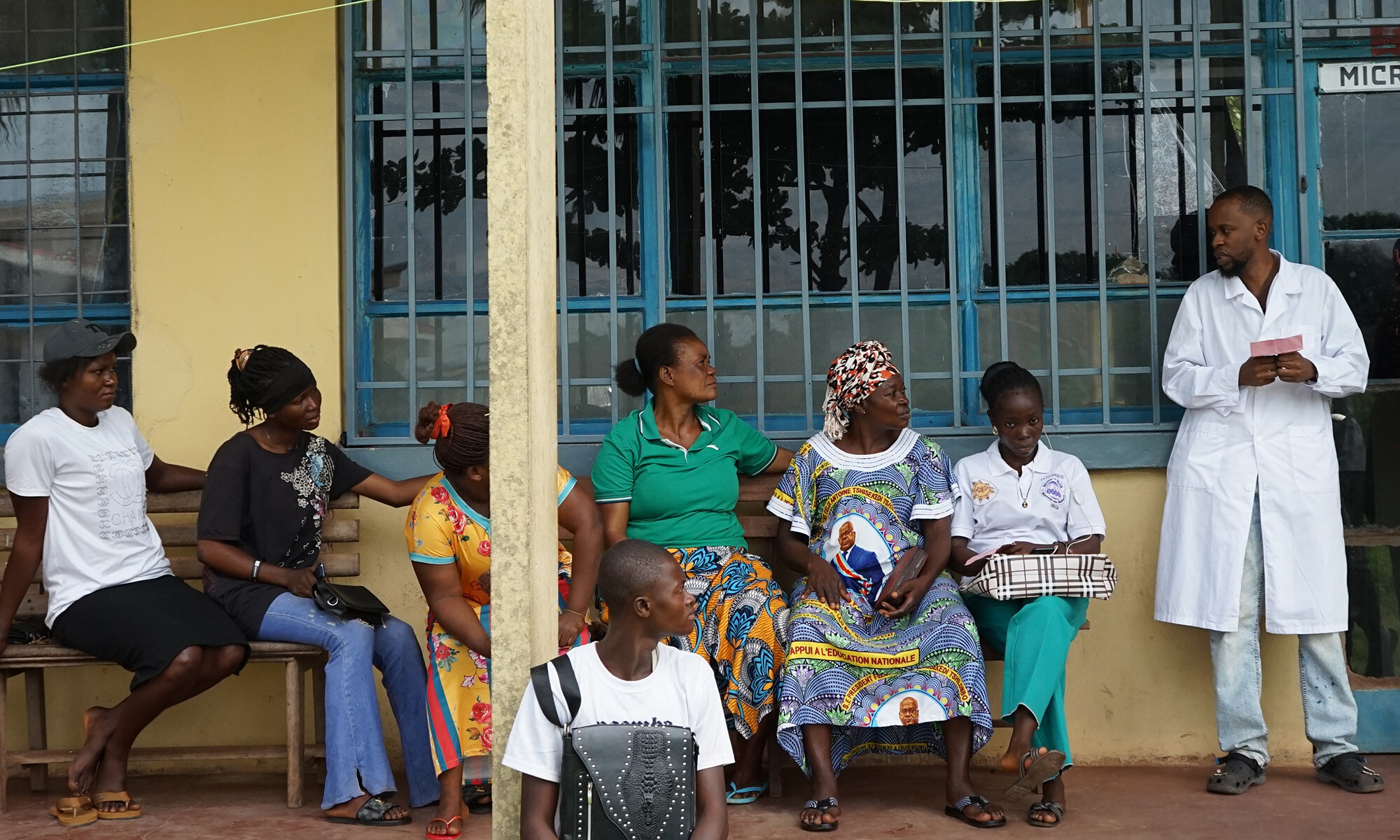
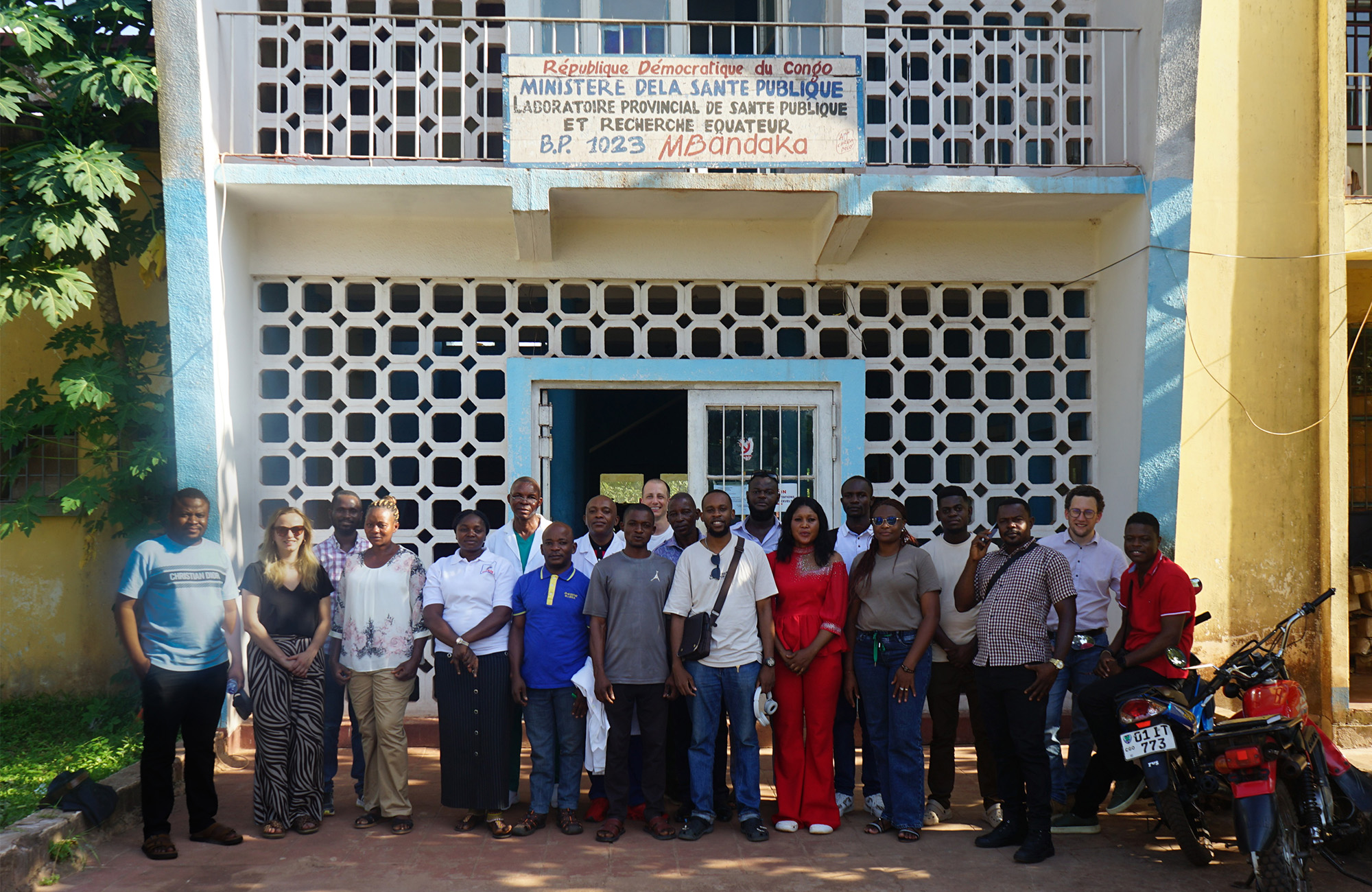
On Friday 17 April, the final participant in the EBO-BOOST clinical trial attended a routine follow-up visit at the Laboratoire provincial de santé publique et recherche in Mbandaka, the capital of Equateur Province in the Democratic Republic of the Congo (DRC). This moment marks an important milestone in the research on the optimal combination of Ebola booster vaccines and how the immune system responds to different combinations of two licensed Ebola vaccines.
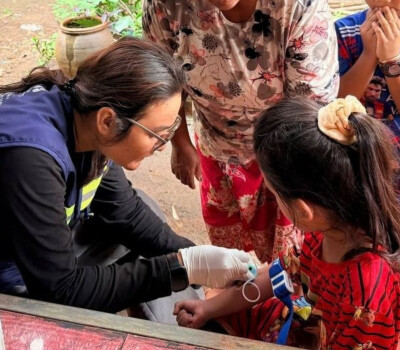
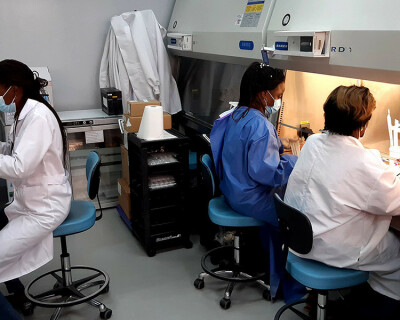
Header image: Study doctor Jessy Sabue (INRB) explains the study procedure to participants at the Provincial Laboratory in Mbandaka, Equateur Province, Democratic Republic of the Congo.
Towards flexible Ebola vaccination strategies
EBO-BOOST is a clinical trial investigating how Ebola booster vaccines can best be deployed. Although two Ebola vaccine regimens are currently approved, it remains unclear how long protection lasts and what the optimal revaccination strategy is. The study compares different combinations in people who were previously vaccinated and examines whether combining different vaccines ("mix-and-match") is as safe and effective as repeating the same vaccine. Through this project, researchers aim to accelerate vaccine deployment during outbreaks, develop clear revaccination guidelines, and strengthen local epidemic preparedness.
"With this trial, we want to create more flexibility in vaccination strategies," says Prof Wim Adriaensen, Head of the Clinical Immunology Unit at the Institute of Tropical Medicine and principal investigator of the study. "If different vaccines prove to be interchangeable, we can respond more quickly and efficiently to outbreaks, depending on local conditions and vaccine availability."
Ebola remains a threat
Since the discovery of the virus in 1976, multiple outbreaks have occurred, especially in countries in Central and West Africa, including the DRC. The disease causes severe symptoms such as high fever, vomiting, and internal bleeding, and has a high mortality rate.
Mbandaka, the capital of Equateur Province with more than one million inhabitants, has experienced several outbreaks in recent years, including as recently as 2022. Thanks to international efforts, two vaccine regimens (by MSD and J&J) have been developed and licensed, but the duration of that protection remains unknown. This stresses the need for booster doses, but evidence-based revaccination guidelines are lacking. The EBO-BOOST project aims to address this gap.
"It is quite unique to mix the two vaccines in Ebola revaccination strategies in the DRC,” says Prof Hugo Kavunga-Membo, principal investigator at INRB, the Congolese National Institute of Biomedical Research. “Studying the best strategy to achieve the strongest and longest lasting response after revaccination have never been studied before. That makes this study truly innovative, in particular for our country that regularly faces epidemics.”
Final study participant followed up
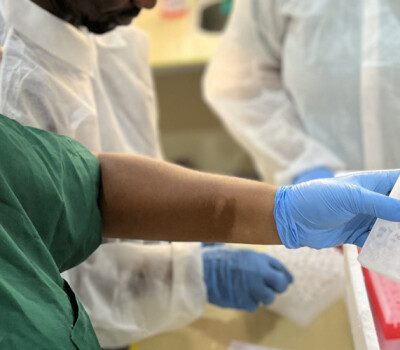
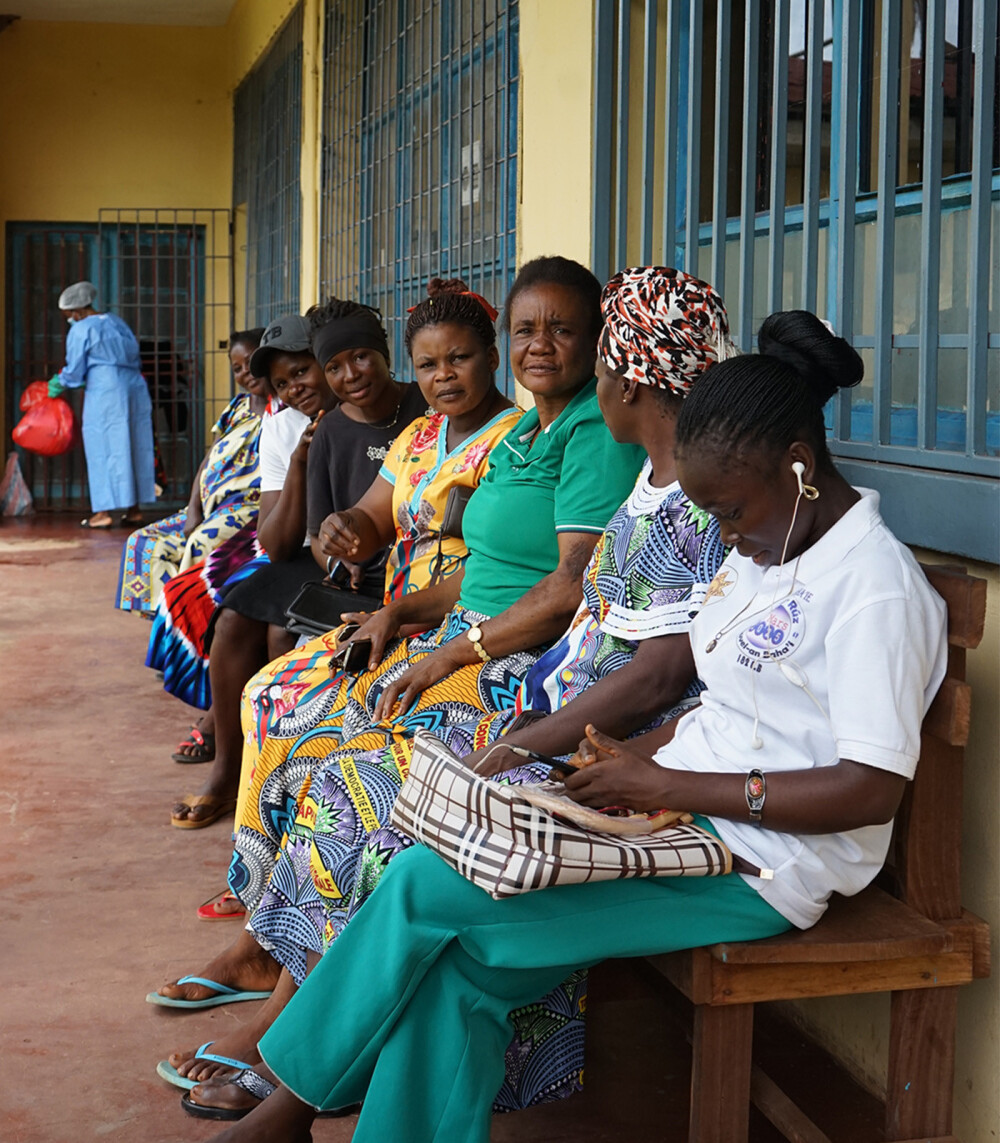
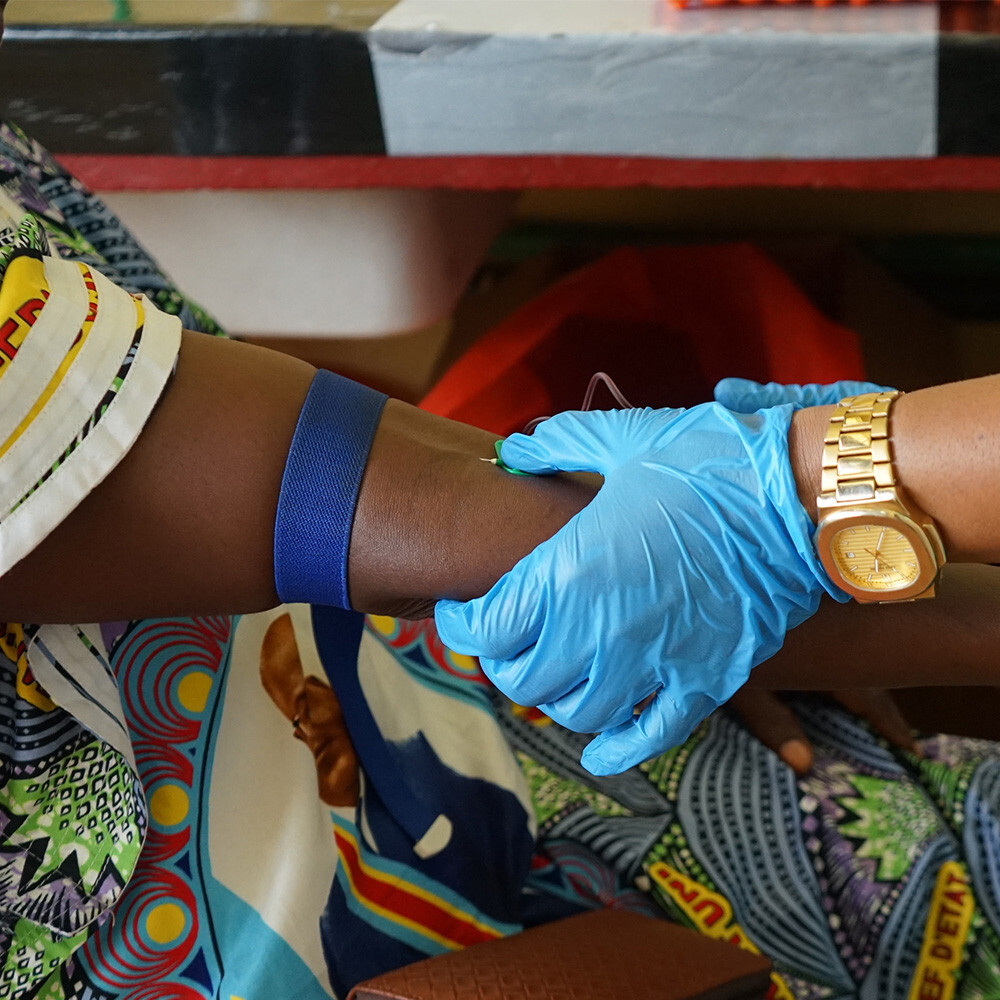
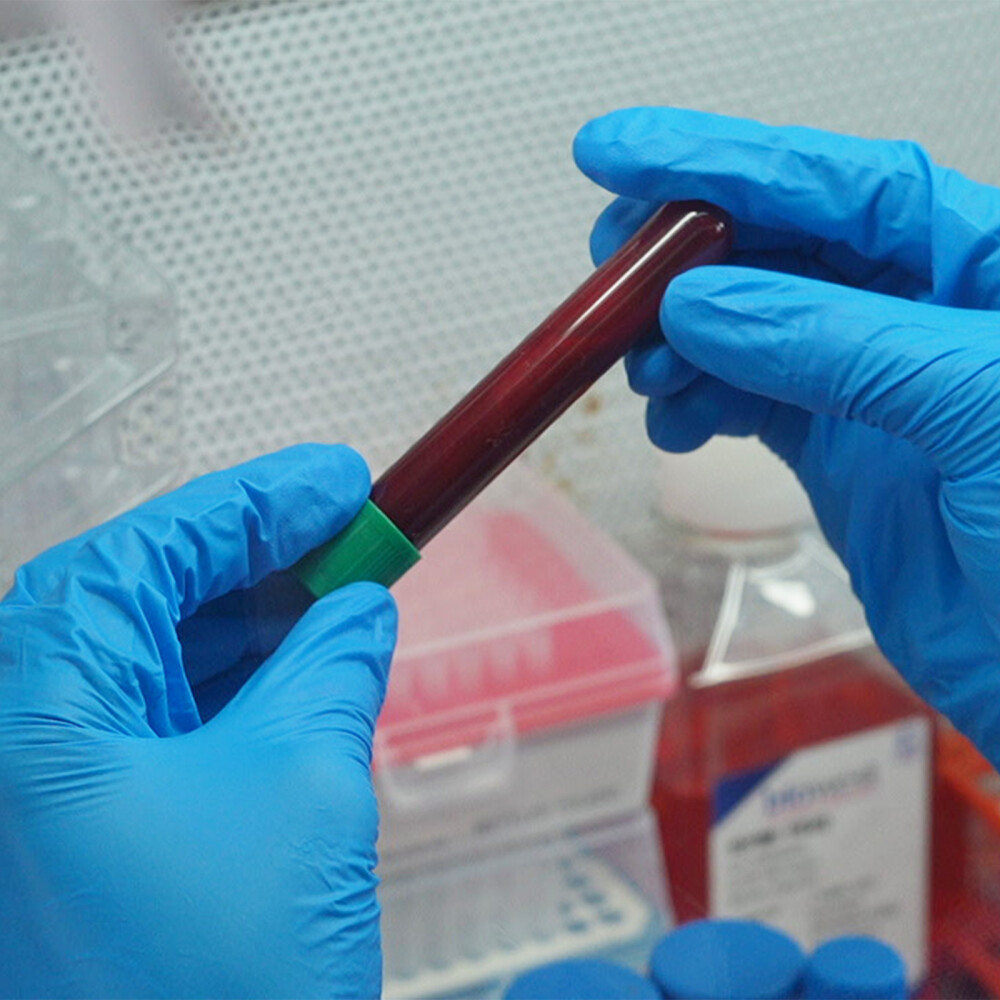
The last group of study participants visited the provincial laboratory in Mbandaka during the week of 13 April for a routine check-up, blood sampling, and an oral swab, six months after receiving a booster vaccine.
For the study, participants were recruited who had received an Ebola vaccine one to seven years earlier. As it is not yet fully understood how protective immunity works, the researchers are analysing both antibody and immune cell levels in a holistic manner to fully understand how strong the immune response is and how long it lasts.
Next steps
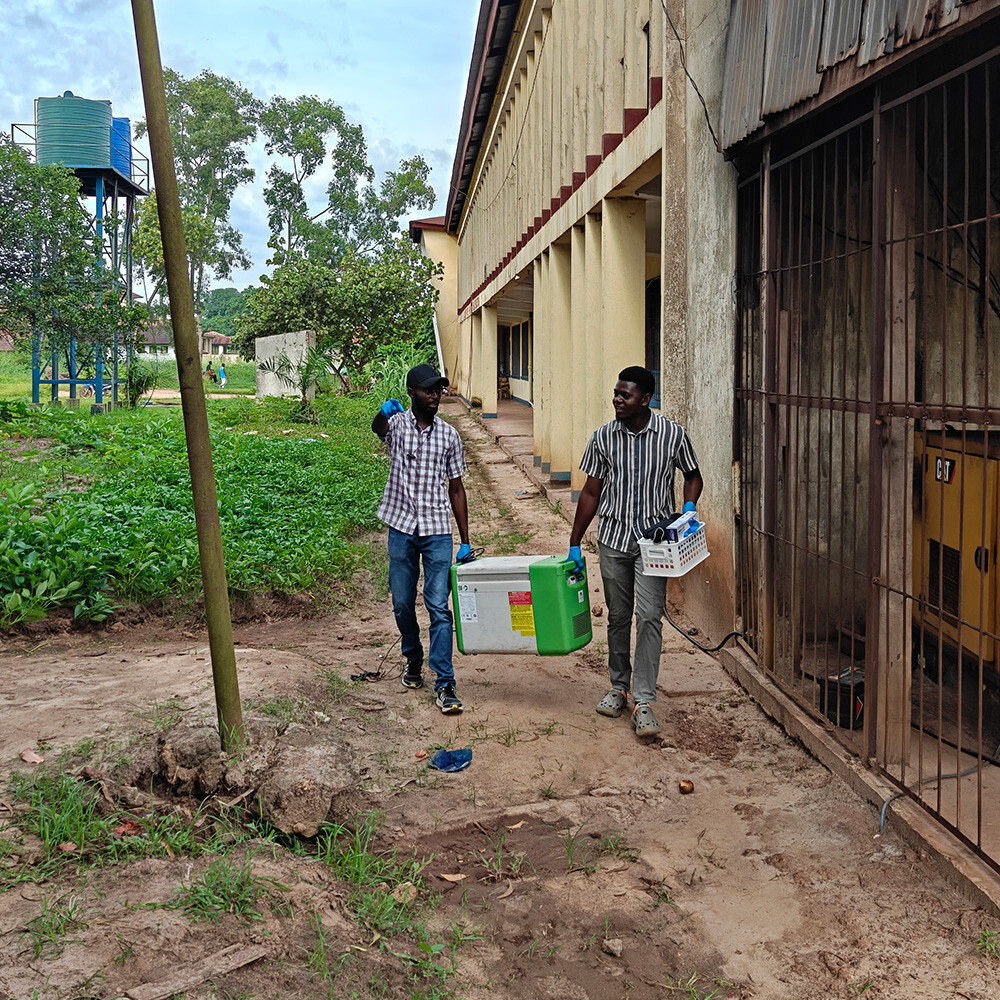
In the coming months, the collected samples will be further analysed in the INRB laboratory in Kinshasa. In addition to measuring the quality of the antibodies to neutralise the virus, researchers will also thaw the frozen immune cells (which remain in the body long-term as memory cells) and map their response to Ebola using new tools now available in the laboratory.
The impact of EBO-BOOST goes beyond the results alone. Thanks to investments in local research infrastructure, complex immunological analyses can now be carried out within the DRC, without the need to send samples abroad. This strengthens preparedness for future epidemics—not only Ebola, but also other infectious diseases.
The study is a strong collaboration with the Institut National de Recherche Biomédicale (INRB), a long-standing ITM partner. It is funded by the Coalition for Epidemic Preparedness Innovations (CEPI), Merck Sharp & Dohme (MSD), Johnson & Johnson, and the Directorate-General for Development Cooperation and Humanitarian Aid (DGD).
EBO-BOOST
We aim to address the ongoing threat of the Ebola Virus Disease by investigating optimal timing and safety of booster vaccinations for rapid deployment during outbreaks, and strengthening local epidemic preparedness.
Spread the word! Share this story on
More stories
-
 - Articles
Final preparations underway for pivotal Phase 2/3 Bundibugyo vaccine trial
Tumaini, a pivotal Phase 2/3 clinical trial, will evaluate vaccine candidates including Ervebo as part of the DRC's outbreak response. There is currently no approved vaccine against Bundibugyo virus. Tumaini aims to close that gap.Read more -
- Articles
Who is at risk, and who is reached? Eight new insights into infection, care and prevention
With the Fresh Off The Journal series, we bring you our monthly research highlights.Read more -
- Articles
First 100 medical crisis intervention volunteers are undergoing training at ITM
One hundred volunteer doctors and nurses will form a Medical Reserve Unit (MRE) in Flanders that can be deployed rapidly in the event of acute, local health crises. They are gathering today for the first time for a training day on infectious diseases and outbreaks at the Institute of Tropical Medicine in Antwerp. They were welcomed by Caroline Gennez, the Flemish Minister for Welfare and Public Health, who will be providing 250,000 euros per year to the MRE over the next three years.Read more -
- Articles
How a nurse from Sierra Leone broadened her perspective at ITM
Introducing graduate Fatmata Bintu KargboRead more -
- Articles
Connecting research, policy and partnerships for better access to cancer medicines
Tinashe Zigomo, a PhD candidate at the University of the Western Cape School of Public Health, reflects on a four-week visiting scholar period at ITM Antwerp, focused on access to essential breast cancer medicines in low-resource settings.Read more -
- Articles
An infectious disease anywhere is an infectious disease everywhere
From the frontlines of the current Ebola outbreak in Central Africa to the resurgence of drug-resistant TB in Europe, weakening global health systems make all of us less safe.Read more -
- Articles
Infectious disease specialist Isabel Brosius wins Eos Pipet 2026 for her leadership in mpox research
The jury praises her strong scientific work and pronounced societal engagement.Read more -
- Articles
Strong collaboration strengthens the response: how jointly developed sequencing expertise helps to unravel the Bundibugyo Ebola outbreak
When the current Bundibugyo Ebola outbreak emerged in the Democratic Republic of Congo, researchers at ITM’s partner institute, Institut National de Recherche Biomédicale (INRB), responded immediately. ITM Professor Koen Vercauteren talks about the role of long-term investment in sequencing technologies and scientific partnerships.Read more -
- Articles
"This research will have a far greater impact on the people of Tanzania than the PhD degree I have earned."
An interview with Dr Amani Kikula, a researcher in obstetrics and gynaecology from Tanzania.Read more -
- Articles
"Infectious diseases cannot be studied from one discipline alone"
Ahead of the 66th ITM Colloquium, scientific leads Prof Dr Johan van Griensven from the Institute of Tropical Medicine (ITM) in Antwerp and Dr Endalamaw Gadisa from the Armauer Hansen Research Institute (AHRI) in Addis Ababa discuss why mobility is central to understanding infectious diseases and why researchers need to look beyond their own discipline.Read more