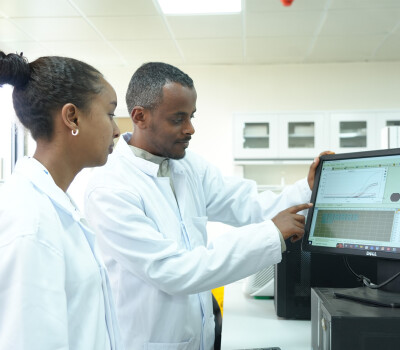
"Ethics is not a checklist"
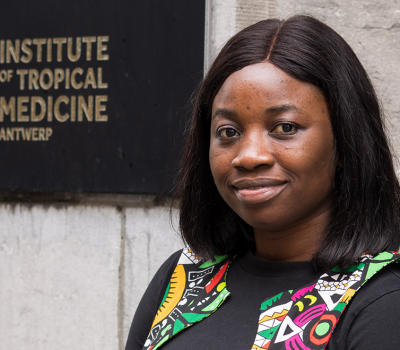
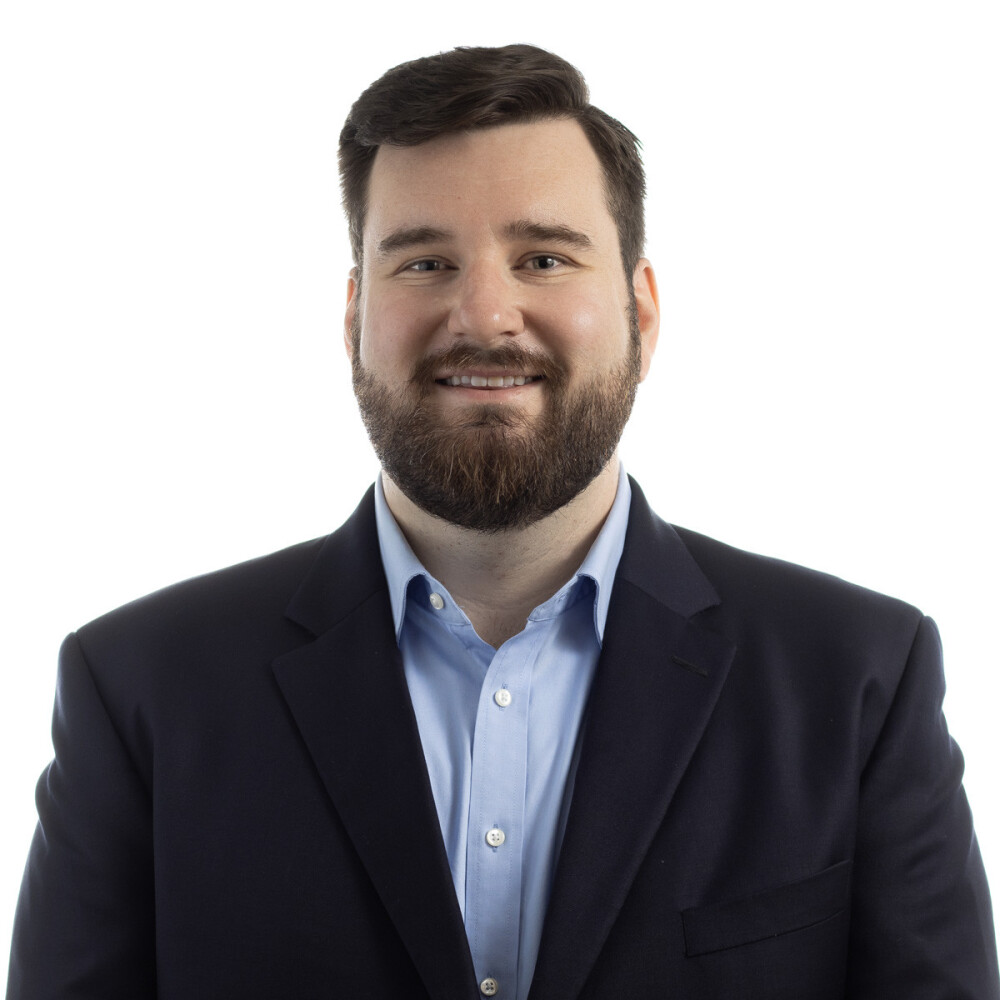
What does ethical research look like in a global health context, where partnerships span continents and no two situations are ever the same? After one month at ITM, Ethics and Compliance Officer Jared Howes reflects on the challenges and opportunities of building a shared ethics culture across the institute and its global network.
JARED While much of my work happens behind the scenes, supporting the ethics review process and conducting compliance checks, I will have the distinct pleasure of teaching various research ethics and integrity courses. This entails, particularly in a global health environment, a constant mutual exchange and learning between those 'learning' and those 'teaching'. The most important role I will assume, however, is that of a general resource and contact point for ITM colleagues, students and partners. After only one month, it is already clear that the work we do here matters—and I mean that collectively. ITM is apparently a small community, but it grows much bigger with all our partners worldwide, and together we face very real ethics challenges for which no ready-made solutions exist. When you engage in cutting-edge global health research, you will encounter cutting-edge ethics problems. How do we uphold fair partnerships with our colleagues across the world while navigating complex contexts with vastly different regulatory frameworks, resources, and cultures? ITM's pursuit of excellence is inseparable from its commitments to fairness, inclusion, respect, sustainability, and integrity. How we do our work, how we constantly learn from our partners, how we escape from a narrow checklist approach: the how matters as much as the what we accomplish.
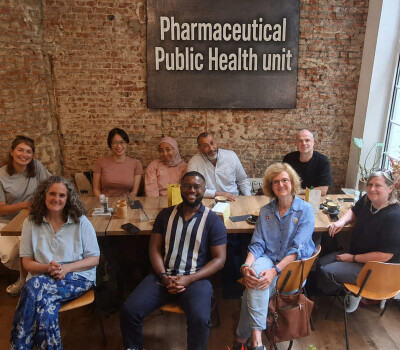
The ITM IRB sees its role as extending well beyond co-overseeing the ethics appraisal of individual studies. We are also stakeholders in the co-creation of an institutional ethics culture—one that is reflexive, responsive, and owned collectively. Everyone has a part to play in building this culture. This means asking hard questions of ourselves as much as others: Where are our blind spots? Whose needs are we missing?
One answer to that last question is already visible in how the IRB has evolved. In direct response to needs expressed by ITM researchers, we have established routine fast-track review processes for low-risk studies, created expedited pathways for master’s students, and developed an emergency process for research on emerging outbreaks where time is critical. Each of these was built because colleagues identified and communicated to us a need in their work we were not meeting. That feedback loop is something I want to strengthen.
Together, through ongoing dialogue, we can build a community that embraces ethics not as a hurdle but as a practice. My role is precisely to support that dialogue—and I look forward to it.
Jared Howes
Spread the word! Share this story on
More stories
-
 - Articles
Final preparations underway for pivotal Phase 2/3 Bundibugyo vaccine trial
Tumaini, a pivotal Phase 2/3 clinical trial, will evaluate vaccine candidates including Ervebo as part of the DRC's outbreak response. There is currently no approved vaccine against Bundibugyo virus. Tumaini aims to close that gap.Read more -
- Articles
Who is at risk, and who is reached? Eight new insights into infection, care and prevention
With the Fresh Off The Journal series, we bring you our monthly research highlights.Read more -
- Articles
First 100 medical crisis intervention volunteers are undergoing training at ITM
One hundred volunteer doctors and nurses will form a Medical Reserve Unit (MRE) in Flanders that can be deployed rapidly in the event of acute, local health crises. They are gathering today for the first time for a training day on infectious diseases and outbreaks at the Institute of Tropical Medicine in Antwerp. They were welcomed by Caroline Gennez, the Flemish Minister for Welfare and Public Health, who will be providing 250,000 euros per year to the MRE over the next three years.Read more -
- Articles
How a nurse from Sierra Leone broadened her perspective at ITM
Introducing graduate Fatmata Bintu KargboRead more -
- Articles
Connecting research, policy and partnerships for better access to cancer medicines
Tinashe Zigomo, a PhD candidate at the University of the Western Cape School of Public Health, reflects on a four-week visiting scholar period at ITM Antwerp, focused on access to essential breast cancer medicines in low-resource settings.Read more -
- Articles
An infectious disease anywhere is an infectious disease everywhere
From the frontlines of the current Ebola outbreak in Central Africa to the resurgence of drug-resistant TB in Europe, weakening global health systems make all of us less safe.Read more -
- Articles
Infectious disease specialist Isabel Brosius wins Eos Pipet 2026 for her leadership in mpox research
The jury praises her strong scientific work and pronounced societal engagement.Read more -
- Articles
Strong collaboration strengthens the response: how jointly developed sequencing expertise helps to unravel the Bundibugyo Ebola outbreak
When the current Bundibugyo Ebola outbreak emerged in the Democratic Republic of Congo, researchers at ITM’s partner institute, Institut National de Recherche Biomédicale (INRB), responded immediately. ITM Professor Koen Vercauteren talks about the role of long-term investment in sequencing technologies and scientific partnerships.Read more -
- Articles
"This research will have a far greater impact on the people of Tanzania than the PhD degree I have earned."
An interview with Dr Amani Kikula, a researcher in obstetrics and gynaecology from Tanzania.Read more -
- Articles
"Infectious diseases cannot be studied from one discipline alone"
Ahead of the 66th ITM Colloquium, scientific leads Prof Dr Johan van Griensven from the Institute of Tropical Medicine (ITM) in Antwerp and Dr Endalamaw Gadisa from the Armauer Hansen Research Institute (AHRI) in Addis Ababa discuss why mobility is central to understanding infectious diseases and why researchers need to look beyond their own discipline.Read more