Fresh Off The Journal: April 2026
Publication highlights: April 2026
Each month, we shine a light on the publications that came out. Every year, we publish around 380 publications in high-impact journals. With the Fresh off the Journal series, we bring you eight highlights every month.
Researching (re-)emerging infections and outbreaks
What blood tests can tell us after mpox
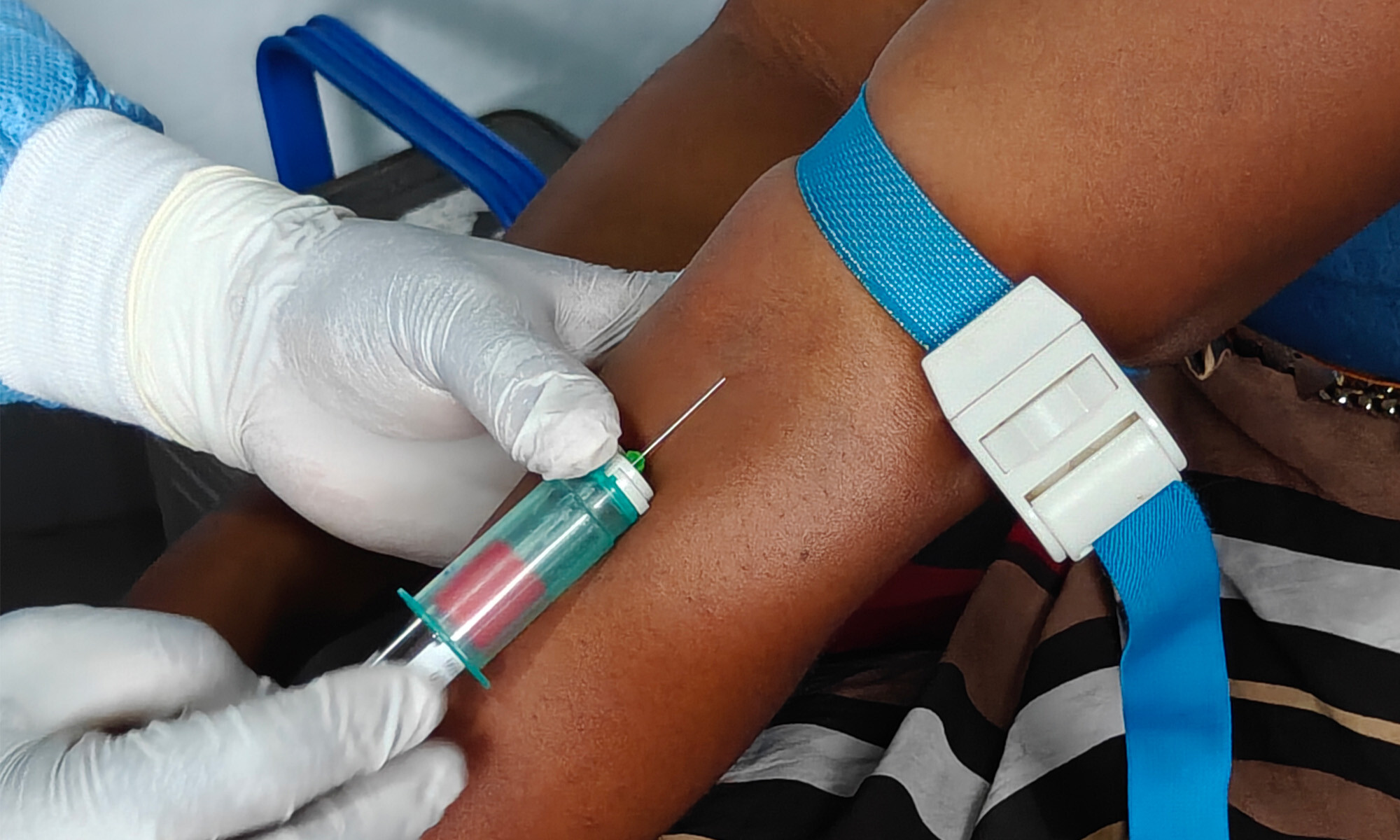
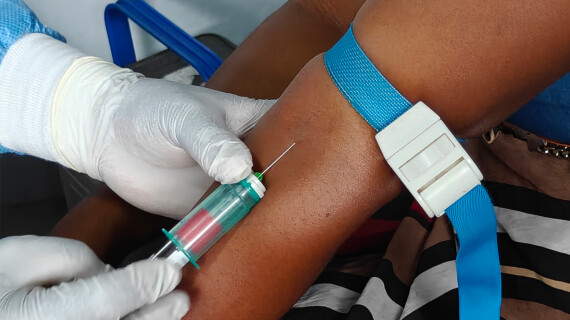
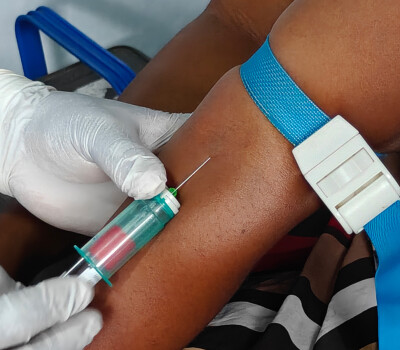
How long can a blood test still detect signs of a past mpox infection? Researchers from the departments of Biomedical and Clinical Sciences tested a new method using samples from people in Belgium who had mpox or received an mpox vaccine. The test worked well up to two years after infection in people who had not previously received a smallpox vaccine. The study also shows that vaccination history matters when interpreting test results.
Mariën, J., Van Dijck, C., Berens-Riha, N., Willems, E., Zaeck, L. M., Jones, S., ... & Liesenborghs, L. (2026). High-throughput multiplex immunoassay for the detection of mpox and MVA-BN vaccination up to 2 years after exposure in Belgium: a retrospective diagnostic accuracy study. The Lancet Microbe. https://doi.org/10.1016/j.lanmic.2025.101316
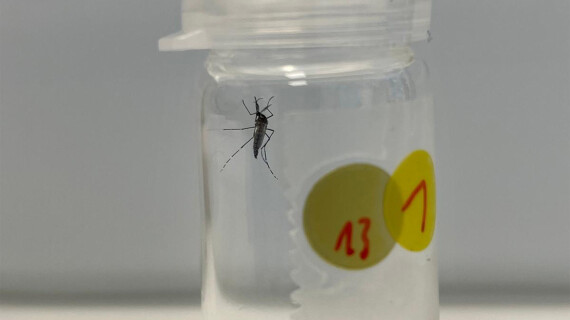
A warmer Europe may not suit all mosquitoes
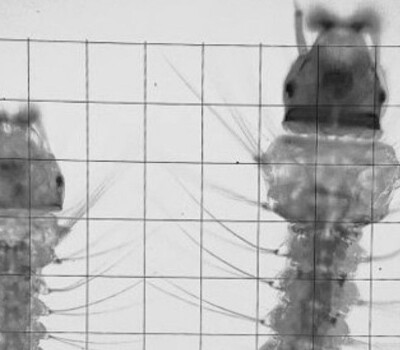
Climate change is making heatwaves more common in Europe, but hotter conditions do not affect all mosquitoes and their life stages in the same way. Researchers from the Unit of Entomology studied how three mosquito species and their different life stages cope with extreme heat and used these findings to model where they may survive in the future. By 2100, parts of southern and central Europe may become too hot for the common house mosquito, while the Asian tiger mosquito may be only moderately affected. If established in continental Europe in the future, the yellow fever mosquito appears less affected by heat alone.
Kramer, I. M., Vereecken, S., Vanslembrouck, A., Smekens, Y., de Witte, J., Vielma, S., ... & Müller, R. (2026). Heatwaves Constrain the Future Persistence of Mosquito Vectors in Europe. Global change biology, 32(4), e70876. https://doi.org/10.1111/gcb.70876
Designing sustainable health systems and strategies

Europe's blind spot on neglected tropical diseases
Medicines for neglected tropical diseases remain difficult to access in Europe, even when essential or life-saving. One example is praziquantel, a medicine used to treat schistosomiasis, a parasitic worm disease that affects travelers and migrants. Clinicians often have to rely on temporary fixes, such as donations or case-by-case imports. Such solutions are unsustainable and carry risks for affordability and quality. This viewpoint argues that Europe needs a more coordinated approach to make quality-assured medicines available and affordable, especially as travel and climate change may increase the presence of these diseases.
Ravinetto, R., Bottieau, E., Fusco, D., Marrone, R., Van Den Broucke, S., Tarrafeta-Sayas, M. B., ... & Albonico, M. (2026). Inequitable access to medicines for neglected tropical diseases in Europe: health system vulnerabilities and a call for coordinated action. The Lancet Regional Health–Europe, 63. https://doi.org/10.1016/j.lanepe.2026.101616
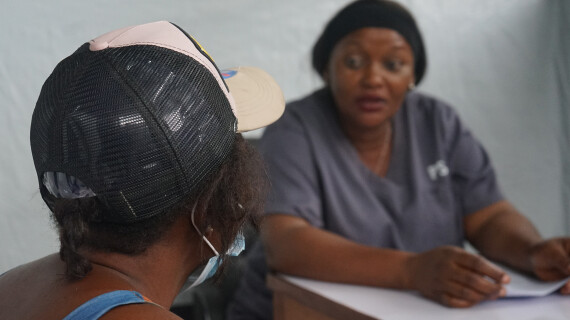
A closer look at STI patterns in Zambia and Zimbabwe
Researchers from ITM’s Department of Public Health and partners in Zambia and Zimbabwe used national survey data to study how often adolescents and adults self-reported diagnosis and symptoms of sexually transmitted infections between 2005 and 2018. The number of reported infections were higher in Zimbabwe than in Zambia. In Zambia, reports increased among adolescent boys and men, while in Zimbabwe they decreased among adolescent girls and women, showing the need for more tailored prevention, testing and treatment.
Rotsaert, A., Smekens, T., Dziva Chikwari, C., Phiri, M. M., Matambanadzo, P., & Hensen, B. (2026). Self-reported sexually transmitted infections among adolescents and adults in Zambia and Zimbabwe: evidence from Demographic and Health Surveys, 2005–2018. BMJ open, 16(3), e108762. https://doi.org/10.1136/bmjopen-2025-108762
Accelerating disease elimination
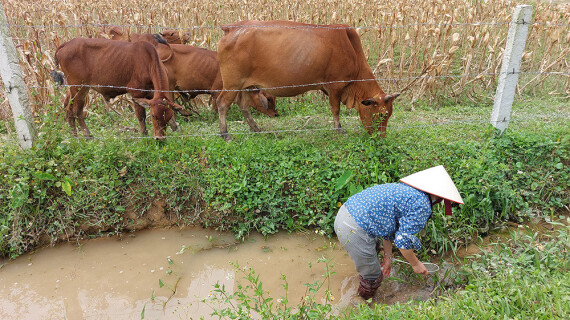
Tracking liver fluke infection in rural Vietnam
In north-central Vietnam, where fascioliasis is considered an emerging zoonotic disease, researchers carried out the first study investigating all major compartments involved in the parasite’s life: humans, cattle, buffaloes, freshwater snails and edible aquatic plants. The study found very high infection rates in cattle and buffaloes, especially older animals, while human infections were rare and no parasites were detected in sampled snails or plants. The study provides new insights into how liver fluke transmission occurs in rural communities in Vietnam. It also highlights the need for livestock treatment programs and targeted health education for animal owners.
Quang, V. H., Levecke, B., Do Trung, D., Lam, B. V. T., Hien, N. T. T., Ha, N. N., ... & Dermauw, V. (2026). Prevalence and risk factors related to Fasciola spp. transmission in north-Central Vietnam: A cross-sectional study in multiple host and environmental compartments. One Health, 101417. https://doi.org/10.1016/j.onehlt.2026.101417

Why some malaria parasites escape rapid tests in the Amazon
In the Peruvian Amazon, some Plasmodium falciparum parasites lack genes detected by the most commonly used rapid malaria tests, causing infections to go undetected. This study shows that these strains became more common after control efforts reduced overall parasite diversity. Rather than being directly “favoured,” they spread by chance as the parasite population shrank and then expanded again. The findings highlight current diagnostic challenges on the path to malaria control and elimination, and underline the need for ongoing monitoring.
Figueroa-Ildefonso, E., Cabrera-Sosa, L., Kattenberg, J.H., Valdivia, H.O., Delgado-Ratto, C., Rosanas-Urgell, A., Gamboa, D. (2026). Parasite population dynamics shaped P. falciparum pfhrp2 and pfhrp3 deletion expansion in the Peruvian Amazon. Sci Rep. https://doi.org/10.1038/s41598-026-48246-3
Taking on antimicrobial resistance
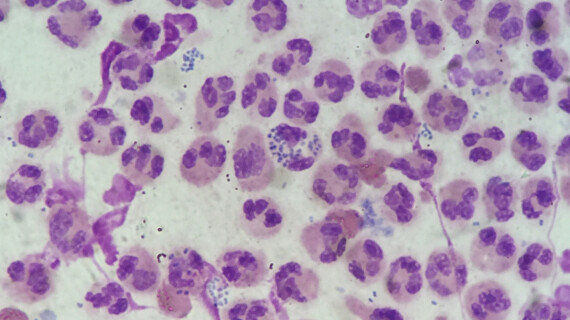
Zinc levels may shape early response to a gonorrhoea antibiotic
The bacterium Neisseria gonorrhoeae, which causes gonorrhoea, can sometimes survive antibiotic exposure without being resistant. This lab study tested whether zinc, a metal naturally found in the human body, affects ceftriaxone anti-gonorrhoea killing. Ceftriaxone is a key antibiotic treatment for gonorrhoea. Higher zinc levels briefly slowed early bacterial killing, especially in the more tolerant strain. By 24 hours, no bacteria were detected, suggesting body conditions may shape short-term antibiotic response.
Kanesaka, I., Kenyon, C., & Manoharan-Basil, S. S. (2026). Zinc-dependent modulation of ceftriaxone killing in tolerant Neisseria gonorrhoeae. FEMS Microbiology Letters, fnag047. https://doi.org/10.1093/femsle/fnag047
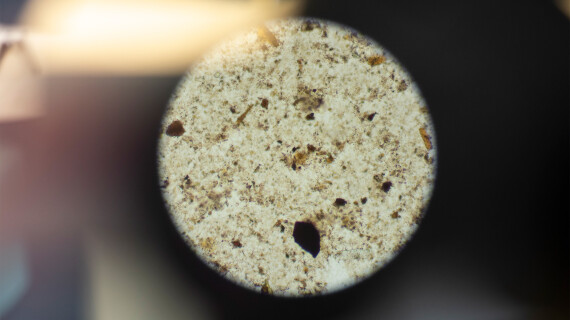
What a Burkina Faso study shows about resistant gut bacteria
This invited editorial discusses a study from rural Burkina Faso, showing that many healthy people carried antibiotic-resistant gut bacteria. The authors explain why this matters: these bacteria can spread silently in the community and may later cause infections that are harder to treat. The editorial argues for better local resistance monitoring, careful treatment guidance, and prevention measures such as safer water, sanitation and handwashing.
Theunissen, C., & Denis, O. (2026). Widespread extended-spectrum beta-lactamase-producing Enterobacterales Colonization in healthy Individuals in Burkina Faso: A hidden Community Reservoir. Clinical Microbiology and Infection. https://doi.org/10.1016/j.cmi.2026.03.038
News
All news-
 With the Fresh Off The Journal series, we bring you our monthly research highlights.
 -
With the Fresh Off The Journal series, we bring you our monthly research highlights.
-
With the Fresh Off The Journal series, we bring you our monthly research highlights.
-
With the Fresh Off The Journal series, we bring you our monthly research highlights.
-
Articles
Fresh Off The Journal: April 2026
 With the Fresh Off The Journal series, we bring you eight research highlights every month.
 -
Articles
Fresh Off The Journal: March 2026
With the Fresh Off The Journal series, we bring you eight research highlights every month. -
Articles
Fresh Off The Journal: February 2026
With the Fresh Off The Journal series, we bring you nine research highlights every month. -
With the Fresh Off The Journal series, we bring you nine research highlights every month.
-
Articles
Fresh Off The Journal: November 2025
With the Fresh Off The Journal series, we bring you nine research highlights every month. -
Articles
Fresh Off The Journal: October 2025
With the Fresh Off The Journal series, we bring you nine research highlights every month. -
With the Fresh Off The Journal series, we bring you nine research highlights every month.


Spread the word! Share this story on
More stories
-
- Articles
Final preparations underway for pivotal Phase 2/3 Bundibugyo vaccine trial
Tumaini, a pivotal Phase 2/3 clinical trial, will evaluate vaccine candidates including Ervebo as part of the DRC's outbreak response. There is currently no approved vaccine against Bundibugyo virus. Tumaini aims to close that gap.Read more -
- Articles
Who is at risk, and who is reached? Eight new insights into infection, care and prevention
With the Fresh Off The Journal series, we bring you our monthly research highlights.Read more -
- Articles
First 100 medical crisis intervention volunteers are undergoing training at ITM
One hundred volunteer doctors and nurses will form a Medical Reserve Unit (MRE) in Flanders that can be deployed rapidly in the event of acute, local health crises. They are gathering today for the first time for a training day on infectious diseases and outbreaks at the Institute of Tropical Medicine in Antwerp. They were welcomed by Caroline Gennez, the Flemish Minister for Welfare and Public Health, who will be providing 250,000 euros per year to the MRE over the next three years.Read more -
- Articles
How a nurse from Sierra Leone broadened her perspective at ITM
Introducing graduate Fatmata Bintu KargboRead more -
- Articles
Connecting research, policy and partnerships for better access to cancer medicines
Tinashe Zigomo, a PhD candidate at the University of the Western Cape School of Public Health, reflects on a four-week visiting scholar period at ITM Antwerp, focused on access to essential breast cancer medicines in low-resource settings.Read more -
- Articles
An infectious disease anywhere is an infectious disease everywhere
From the frontlines of the current Ebola outbreak in Central Africa to the resurgence of drug-resistant TB in Europe, weakening global health systems make all of us less safe.Read more -
- Articles
Infectious disease specialist Isabel Brosius wins Eos Pipet 2026 for her leadership in mpox research
The jury praises her strong scientific work and pronounced societal engagement.Read more -
- Articles
Strong collaboration strengthens the response: how jointly developed sequencing expertise helps to unravel the Bundibugyo Ebola outbreak
When the current Bundibugyo Ebola outbreak emerged in the Democratic Republic of Congo, researchers at ITM’s partner institute, Institut National de Recherche Biomédicale (INRB), responded immediately. ITM Professor Koen Vercauteren talks about the role of long-term investment in sequencing technologies and scientific partnerships.Read more -
- Articles
"This research will have a far greater impact on the people of Tanzania than the PhD degree I have earned."
An interview with Dr Amani Kikula, a researcher in obstetrics and gynaecology from Tanzania.Read more -
- Articles
"Infectious diseases cannot be studied from one discipline alone"
Ahead of the 66th ITM Colloquium, scientific leads Prof Dr Johan van Griensven from the Institute of Tropical Medicine (ITM) in Antwerp and Dr Endalamaw Gadisa from the Armauer Hansen Research Institute (AHRI) in Addis Ababa discuss why mobility is central to understanding infectious diseases and why researchers need to look beyond their own discipline.Read more