Fresh Off The Journal: March 2026
Publication highlights: March 2026
Each month, we shine a light on the publications that came out. Every year, we publish around 380 publications in high-impact journals. With the Fresh off the Journal series, we bring you eight highlights every month.
Researching (re-)emerging infections and outbreaks
Understanding the Rift Valley fever exposure risk in East and Central Africa
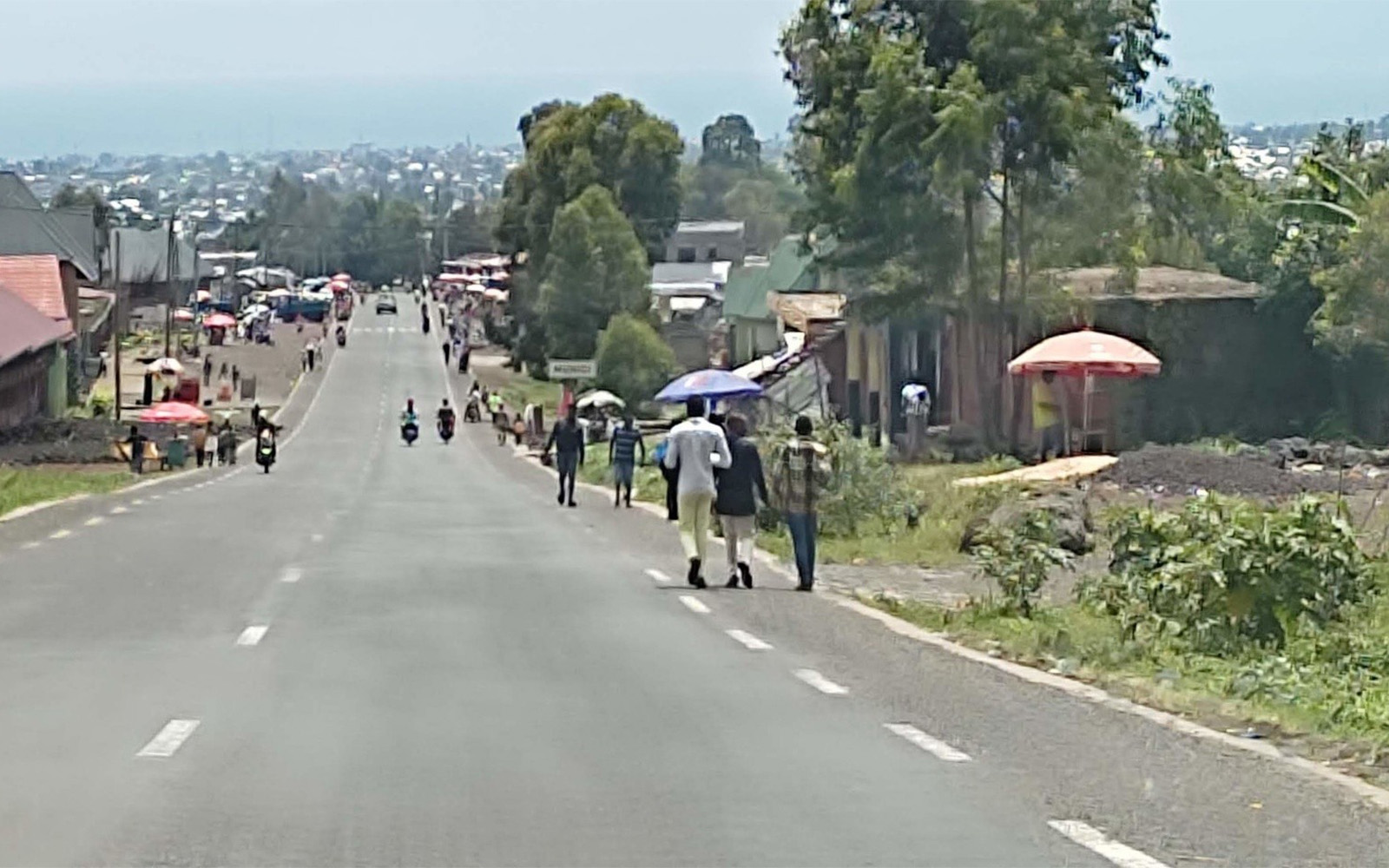
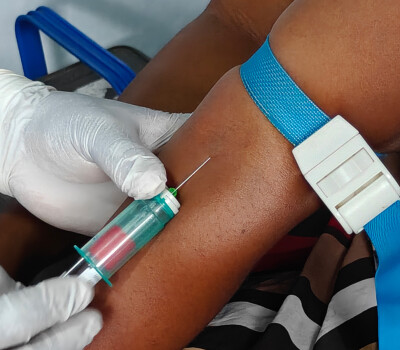
Rift Valley fever (RVF) is a zoonotic arthropod-borne viral disease that often flies under the radar. Despite recurring outbreaks in East Africa, the risk remains poorly understood in the DR Congo. This multi-country study — spanning DR Congo, Kenya, and Uganda — documented the presence of history of RVF infections in the population of eastern DR Congo and aimed to characterise the risk landscape in the region, a critical step from response to prevention.
Lepore, L., Odinoh, R., Dawa, J., Situma, S., Nyakarahuka, L., Makiala, S., ... & Vanlerberghe, V. (2026). Understanding the Rift Valley fever exposure risk: A comparative perspective from a multi-country study in East and Central Africa, 2021-24. PLOS Neglected Tropical Diseases, 20(3), e0014082. https://doi.org/10.1371/journal.pntd.0014082
Looking closer at how microclimates shape plague risk
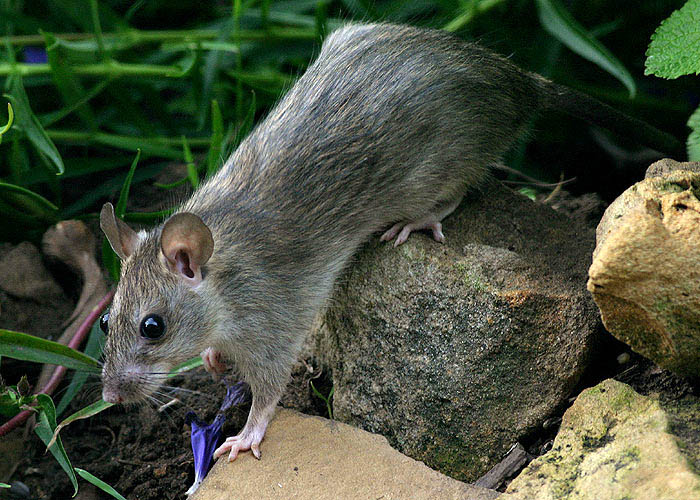
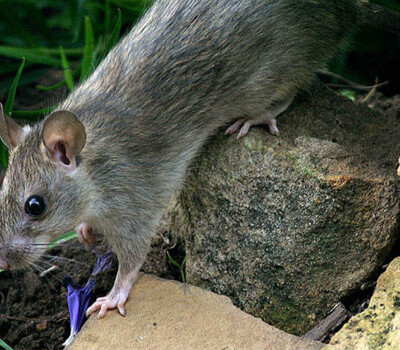
Plague in Madagascar tends to follow seasonal patterns, but the reasons remain unclear. Researchers from the University of Nottingham, with contributions from ITM and teams in Madagascar, Canada, and Norway, studied how small-scale climate conditions in rat burrows affect flea development. Their model showed that favourable climate boosts flea development, followed by more human plague cases, but field data suggest flea development is only part of the puzzle.
Fell, H. G., Bailey, J., Rasoamalala, F., Ramasindrazana, B., Shipley, L., Jones, M., ... & Atkinson, S. (2026). Integrating microclimate to understand vector development and disease patterns: challenges and lessons from plague in Madagascar’s Central Highlands. Proceedings of the Royal Society B: Biological Sciences, 293(2067). https://doi.org/10.1098/rspb.2025.2496
Designing sustainable health systems and strategies
More than microbes: the ethics of "genetic bycatch"
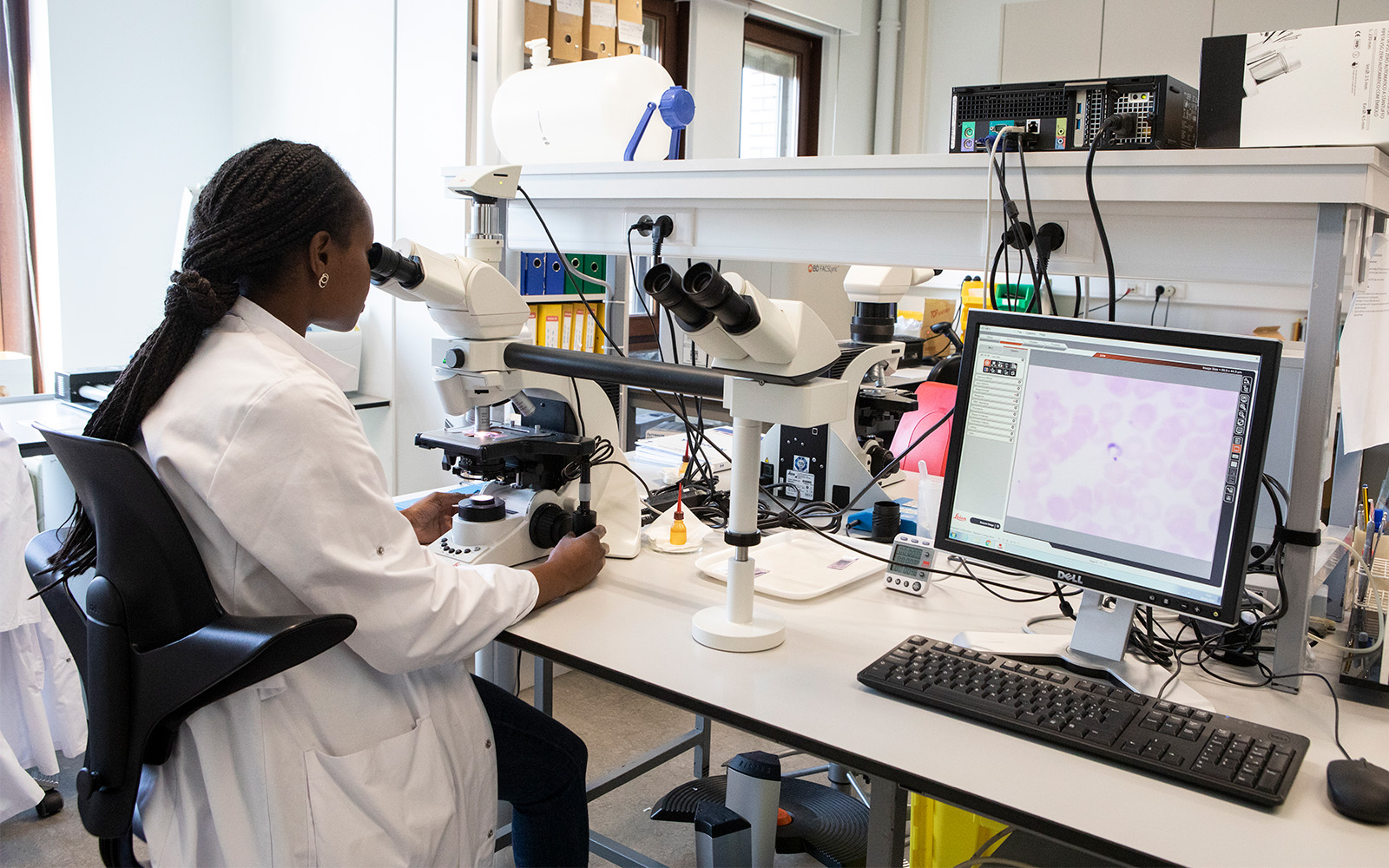
When scientists study the DNA of pathogens, they can sometimes pick up traces of human DNA along the way. In this Personal View, ITM researchers from across departments highlight how this “genetic bycatch” is often overlooked, even though it can raise privacy concerns. They outline practical steps to reduce these risks, from removing human DNA early in the process to adapting consent and ethics review, especially as global data sharing continues to expand.
Bartholomeeusen, K., Monsieurs, P., Van Den Abbeele, J., Moris, P., Goovaerts, O., Pinxten, W., ... & Ravinetto, R. (2026). Research on the genome of microorganisms: ethical considerations and recommendations regarding the incidental bystander sequencing of human genetic material. The Lancet Microbe. https://doi.org/10.1016/j.lanmic.2025.101341

What shapes quality of life for people living with HIV in Belgium?
Quality of life for people living with HIV extends beyond medical care, encompassing a balance of physical, mental, and social wellbeing. This qualitative study unpacked the lived experiences of people living with HIV highlighting the influence of stigma, financial stability, and migration-related stressors. Positive coping strategies and available support play a crucial role in maintaining this balance. The findings point to the importance of multidisciplinary care that looks beyond viral suppression to people’s everyday realities.
Nöstlinger, C., Scheerder, G., Aerts, M., Courjaret, J., Hemelaer, E., Lamonte, C., ... & Van Landeghem, E. (2026). Subjective meanings of quality of life and related coping mechanisms: insights from a reflective thematic analysis among people living with HIV in Antwerp, Belgium. AIDS care, 1-17. https://doi.org/10.1080/09540121.2026.2643353
Accelerating disease elimination
How human environments help mosquitoes spread viruses
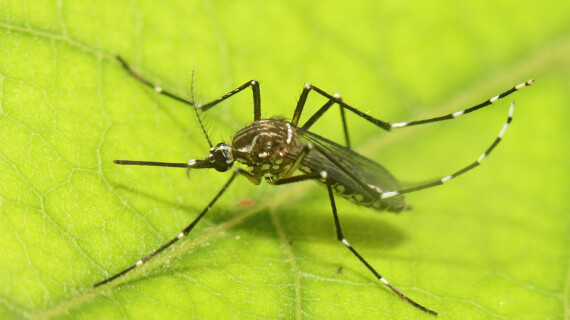
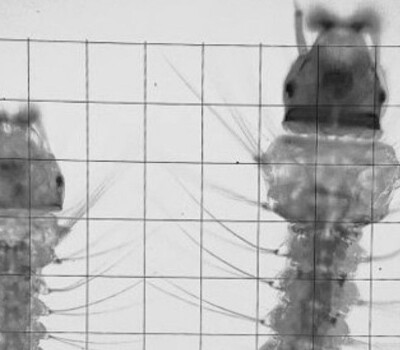
Mosquitoes that carry diseases like dengue and lymphatic filariasis are found across Nepal, even at higher altitudes than expected. In this study, led by the Nepal Health Research Council with contributions from ITM, researchers looked at where these species are breeding. They found many developing in everyday containers—like plastic bottles and water drums—often close to people’s homes, showing how human environments can shape disease risk.
Baral, S., Joshi, P., Marasini, B. P., Gautam, I., Dhimal, M., & Muller, R. (2026). Altitudinal and household breeding patterns of the medically important mosquitoes Aedes aegypti, Aedes albopictus and Culex quinquefasciatus in Nepal. PloS one, 21(3), e0345285. https://doi.org/10.1371/journal.pone.0345285
(c) image: Ruth Müller
Looking beyond familiar targets in leishmaniasis vaccine design
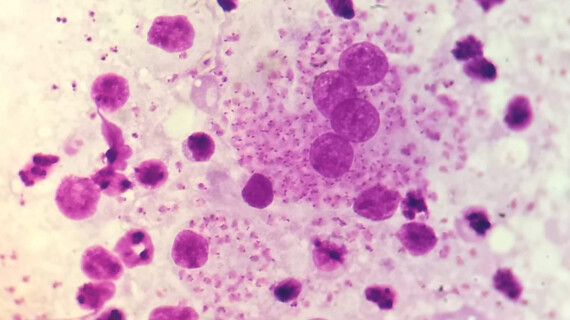
More than a billion people are at risk of contracting leishmaniasis, yet there is still no human vaccine. In this Opinion, researchers argue that efforts so far have focused on small parts of the parasite with low evidence. They offer new perspectives that combined with high-throughput and computational technologies now make it possible to see more clearly which parts of the Leishmania parasite are exposed to the immune system in relevant clinical infection stages , opening new doors for Leishmania vaccine development and moving the field forward.
Adriaensen, W., de Vrij, N., Pham, T.-T., Laukens, K., Meysman, P., & Kaye, P. M. (2026). Breaking the deadlock in antigen discovery for Leishmania vaccines. Trends in Parasitology, 42(3), 183–191. https://doi.org/10.1016/j.pt.2026.01.005
Antimicrobial Resistance
How reliable is a rapid test for drug-resistant TB?
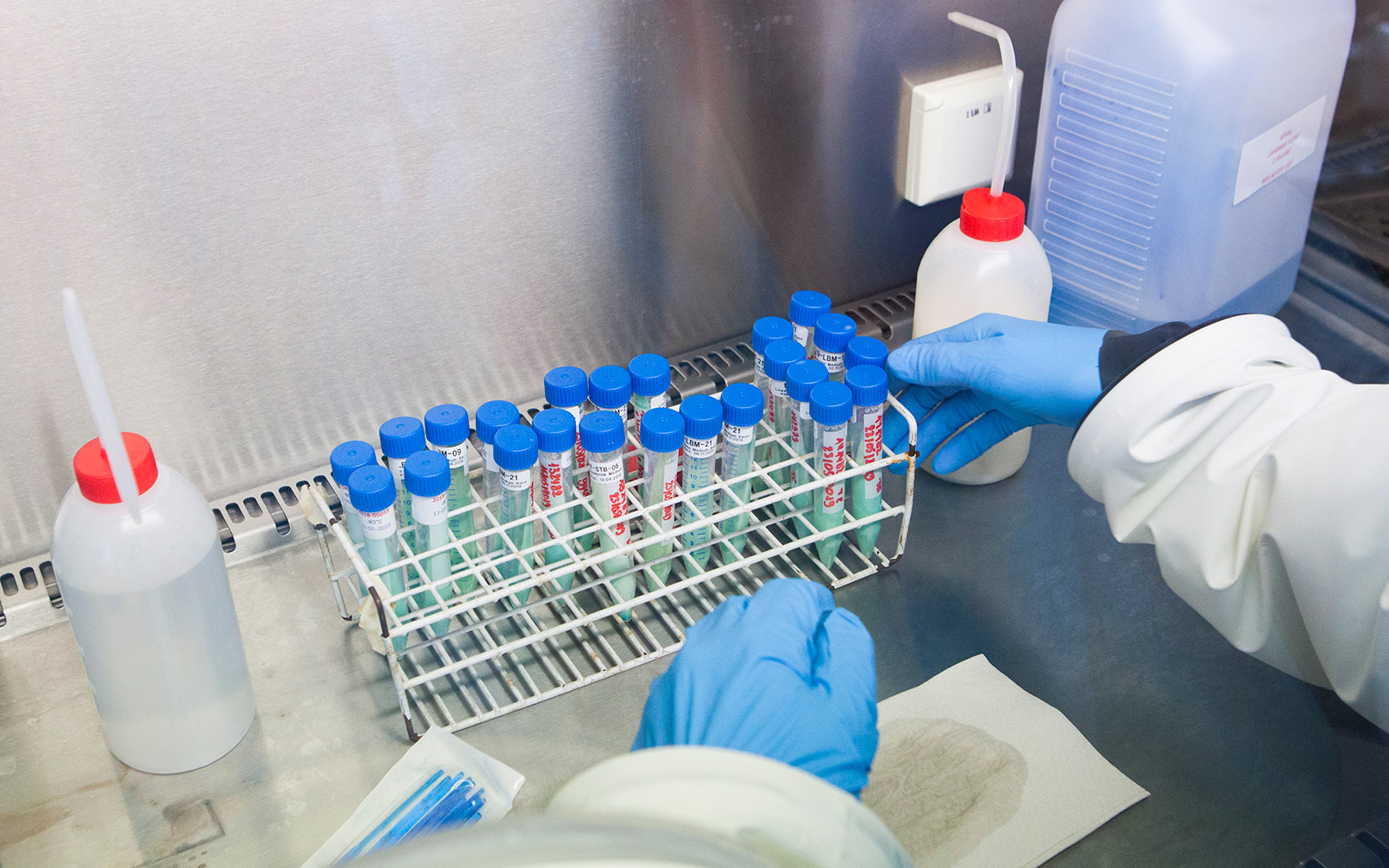
Rapid molecular tests can help guide treatment for drug-resistant tuberculosis, but how reliable are they in practice? In this multi-country study across sub-Saharan Africa, researchers from Benin, with partners including ITM, evaluated Xpert-MTB/XDR. It reliably detected the most common forms of resistance, yet missed off-target mutations and could miss minority variants in case both susceptible and resistant bacilli are present, suggesting it is best used alongside other diagnostic approaches.
Massou, F., Diarra, B., Ba Diallo, A., Bah, K. S., Vuchas, C., Neh, A., ... & Rigouts, L. (2026). Multicentre field evaluation of Xpert MTB/XDR in sub-Saharan Africa. ERJ Open Research, 12(2), 00427-2025. https://doi.org/10.1183/23120541.00427-2025
Drug-resistant Salmonella limits treatment options
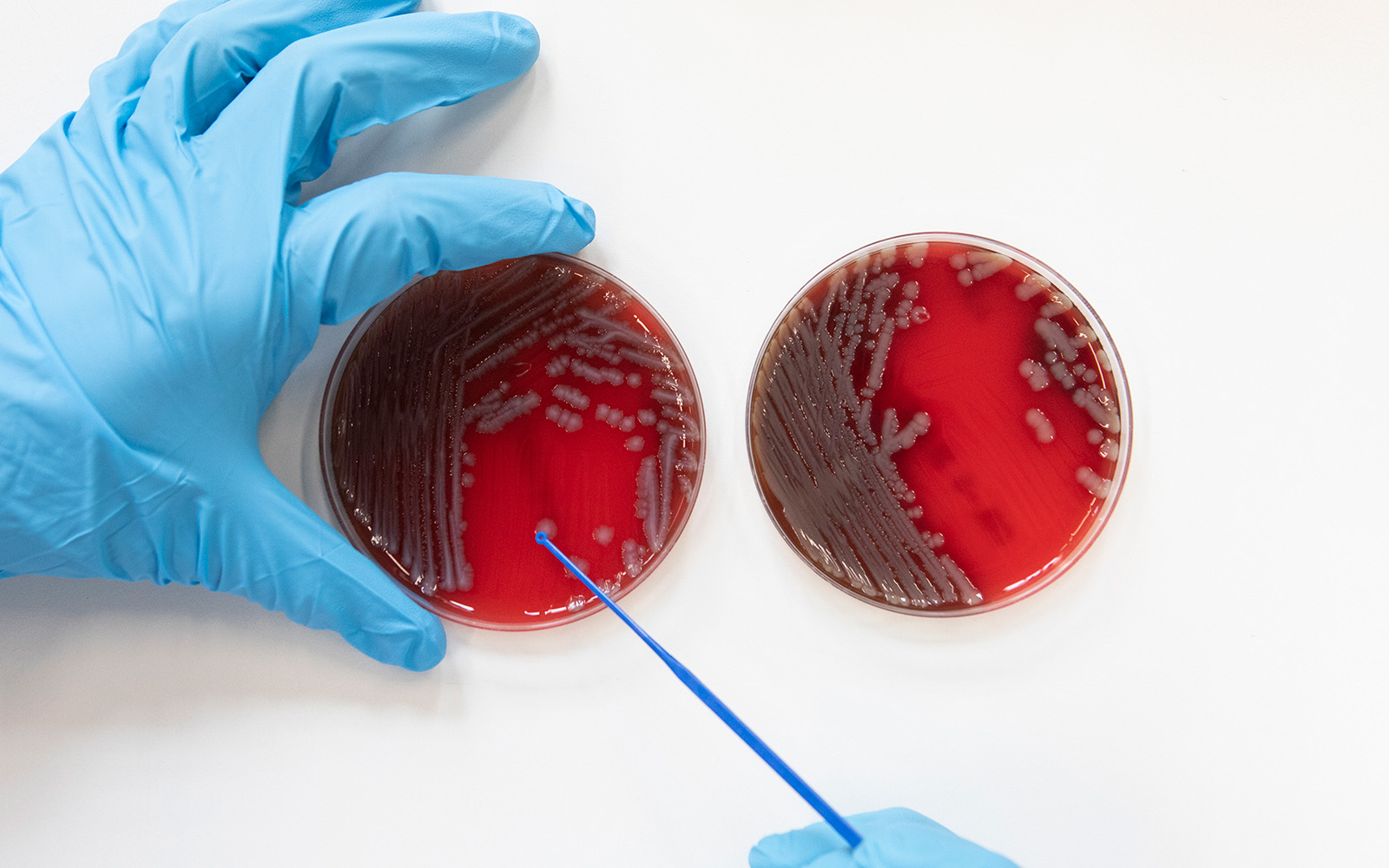
Invasive Salmonella infections are becoming more resistant against commonly used antibiotics in Kisantu, DR Congo, raising concerns about how well the available treatments will continue to work. In this study, led by the national research institute (INRB) with contributions from ITM, bloodstream infections were frequently caused by bacteria resistant to these antibiotics. Young children were most affected, and resistance increased sharply between 2019 and 2022. This points to growing pressure on treatment options and the need for better surveillance and prevention.
Mbuyamba, J., Nkoji-Tunda, G., Vita, D., Ngara, L., Bonebe, E., Phoba, M. F., ... & Lunguya, O. (2026). Epidemiology, Temporal Trends and Resistance Patterns of ESBL-Producing Non-Typhoidal Salmonella Isolated from Blood Cultures in Kisantu, DRC (2019–2022). Antibiotics, 15(3), 271. https://doi.org/10.3390/antibiotics15030271
News
All news-
 With the Fresh Off The Journal series, we bring you our monthly research highlights.
 -
With the Fresh Off The Journal series, we bring you our monthly research highlights.
-
With the Fresh Off The Journal series, we bring you our monthly research highlights.
-
With the Fresh Off The Journal series, we bring you our monthly research highlights.
-
Articles
Fresh Off The Journal: April 2026
 With the Fresh Off The Journal series, we bring you eight research highlights every month.
 -
Articles
Fresh Off The Journal: March 2026
With the Fresh Off The Journal series, we bring you eight research highlights every month. -
Articles
Fresh Off The Journal: February 2026
With the Fresh Off The Journal series, we bring you nine research highlights every month. -
With the Fresh Off The Journal series, we bring you nine research highlights every month.
-
Articles
Fresh Off The Journal: November 2025
With the Fresh Off The Journal series, we bring you nine research highlights every month. -
Articles
Fresh Off The Journal: October 2025
With the Fresh Off The Journal series, we bring you nine research highlights every month. -
With the Fresh Off The Journal series, we bring you nine research highlights every month.
Spread the word! Share this story on
More stories
-
- Articles
Final preparations underway for pivotal Phase 2/3 Bundibugyo vaccine trial
Tumaini, a pivotal Phase 2/3 clinical trial, will evaluate vaccine candidates including Ervebo as part of the DRC's outbreak response. There is currently no approved vaccine against Bundibugyo virus. Tumaini aims to close that gap.Read more -
- Articles
Who is at risk, and who is reached? Eight new insights into infection, care and prevention
With the Fresh Off The Journal series, we bring you our monthly research highlights.Read more -
- Articles
First 100 medical crisis intervention volunteers are undergoing training at ITM
One hundred volunteer doctors and nurses will form a Medical Reserve Unit (MRE) in Flanders that can be deployed rapidly in the event of acute, local health crises. They are gathering today for the first time for a training day on infectious diseases and outbreaks at the Institute of Tropical Medicine in Antwerp. They were welcomed by Caroline Gennez, the Flemish Minister for Welfare and Public Health, who will be providing 250,000 euros per year to the MRE over the next three years.Read more -
- Articles
How a nurse from Sierra Leone broadened her perspective at ITM
Introducing graduate Fatmata Bintu KargboRead more -
- Articles
Connecting research, policy and partnerships for better access to cancer medicines
Tinashe Zigomo, a PhD candidate at the University of the Western Cape School of Public Health, reflects on a four-week visiting scholar period at ITM Antwerp, focused on access to essential breast cancer medicines in low-resource settings.Read more -
- Articles
An infectious disease anywhere is an infectious disease everywhere
From the frontlines of the current Ebola outbreak in Central Africa to the resurgence of drug-resistant TB in Europe, weakening global health systems make all of us less safe.Read more -
- Articles
Infectious disease specialist Isabel Brosius wins Eos Pipet 2026 for her leadership in mpox research
The jury praises her strong scientific work and pronounced societal engagement.Read more -
- Articles
Strong collaboration strengthens the response: how jointly developed sequencing expertise helps to unravel the Bundibugyo Ebola outbreak
When the current Bundibugyo Ebola outbreak emerged in the Democratic Republic of Congo, researchers at ITM’s partner institute, Institut National de Recherche Biomédicale (INRB), responded immediately. ITM Professor Koen Vercauteren talks about the role of long-term investment in sequencing technologies and scientific partnerships.Read more -
- Articles
"This research will have a far greater impact on the people of Tanzania than the PhD degree I have earned."
An interview with Dr Amani Kikula, a researcher in obstetrics and gynaecology from Tanzania.Read more -
- Articles
"Infectious diseases cannot be studied from one discipline alone"
Ahead of the 66th ITM Colloquium, scientific leads Prof Dr Johan van Griensven from the Institute of Tropical Medicine (ITM) in Antwerp and Dr Endalamaw Gadisa from the Armauer Hansen Research Institute (AHRI) in Addis Ababa discuss why mobility is central to understanding infectious diseases and why researchers need to look beyond their own discipline.Read more