New evidence for more accessible blood culture diagnostics
In a recently published study in The Lancet Microbe, ITM researchers from the Department of Clinical Sciences address a simple but important question: can blood culture bottles from one manufacturer be used with automated blood culture systems from another? The findings could lead to improved access to bloodstream infection diagnostics in resource-constrained settings, where the stakes of complicated single-supply chains are highest.
Blood cultures are instrumental for detecting microorganisms in the bloodstream and guiding the treatment of serious, potentially life-threatening infections such as sepsis. Automated blood culture systems, which are machines that detect growth in the blood culture bottles, all have their own brand-specific blood culture bottles. This closed design locks laboratories into a single supplier. In high-income countries, that's an inconvenience. For laboratories in resource-constrained settings, the stakes are higher.
Breine, A., Vermoesen, T., Corsmit, E., Genbrugge, E., & Hardy, L. (2026). Interchangeability of blood culture bottles and automats for blood culture systems: An in-vitro performance evaluation. The Lancet Microbe. Advance online publication. https://doi.org/10.1016/j.lanmic.2026.101438

Not many laboratories in sub-Saharan Africa have the capacity to diagnose bloodstream infections, and the few that do are still hindered by the consequences of single-supply chains: higher costs, supply shortages, and, when bottles run out, no reliable way at all to diagnose infections.
But do the blood culture bottles and systems actually need to come from the same manufacturer? Or is that simply a consequence of how the market is currently structured? This is the question that the ITM team wanted to answer.
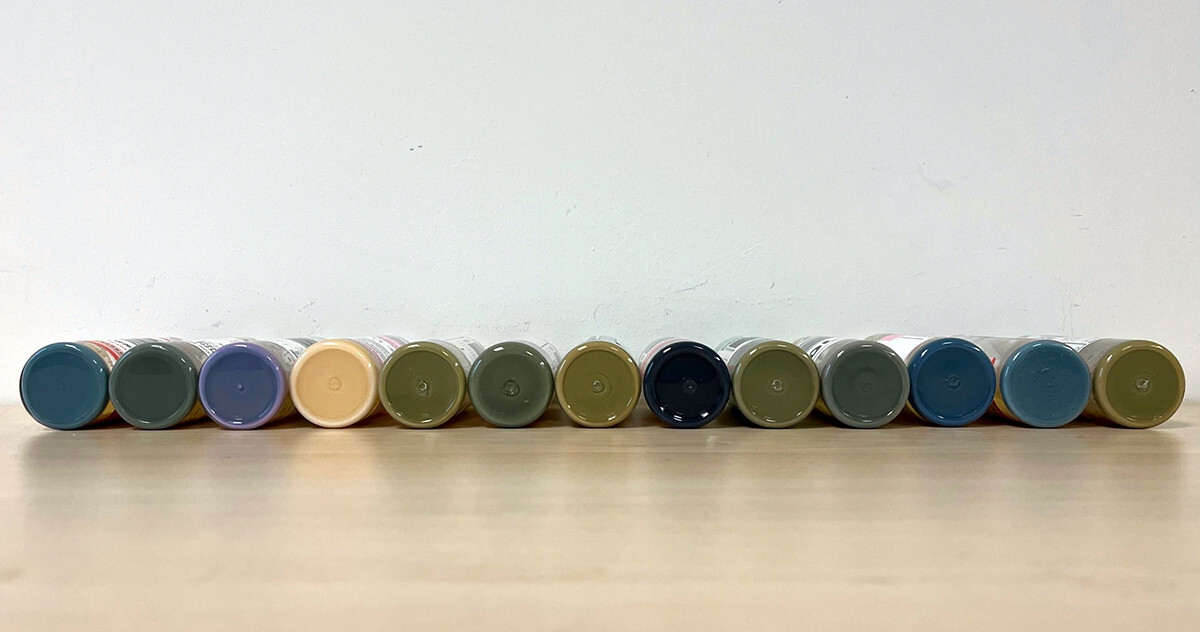
“We noticed that the blood culture bottles from different manufacturers looked all very much alike, so one day in the lab we decided to quickly evaluate whether we could interchange them. This small pilot study was successful and led to this quite elaborate project,” says Anke Breine, postdoctoral researcher at ITM and first author of the study.
About the study
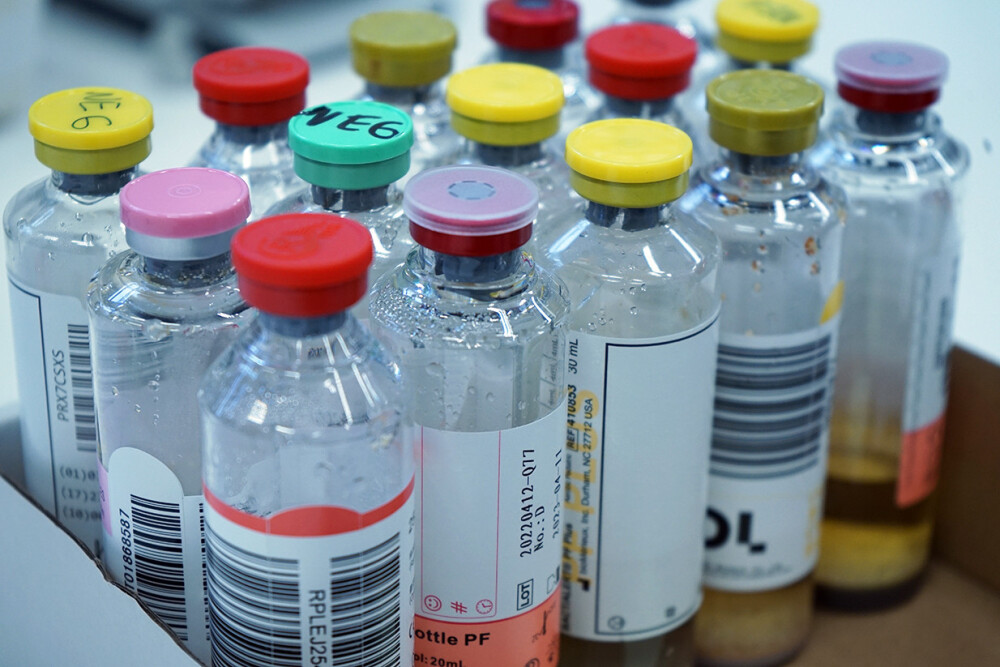
The researchers tested blood culture bottles and automated blood culture systems from four different manufacturers. By combining bottles and systems, they were able to compare 11 different bottle-system combinations.
To make the comparison as robust as possible, they selected 20 bacterial and fungal species that commonly cause bloodstream infections. For each species, they tested several different strains, including strains isolated from patients. Small, clinically realistic amounts of these microorganisms were added to blood samples, which were then tested with each bottle-system combination. Every experiment was repeated three times to ensure reliable results. The researchers also tested blood samples without any microorganisms, to check that the systems would not produce false-positive results.
Altogether, the study included 4,620 inoculated blood cultures (containing microorganisms) and 301 negative-control cultures (without microorganisms), making it one of the largest and most systematic comparisons of its kind.
Promising results
The results show that blood culture bottles and automated systems from different manufacturers can, in most cases, be used interchangeably without compromising accuracy or speed of detection.
That matters most for laboratories in low- and middle-income countries. If bottles and machines don't have to come from the same manufacturer, laboratories could choose bottles based on what is actually available, at what quality and at what cost, rather than being locked into a single supplier by their equipment.
What's next?
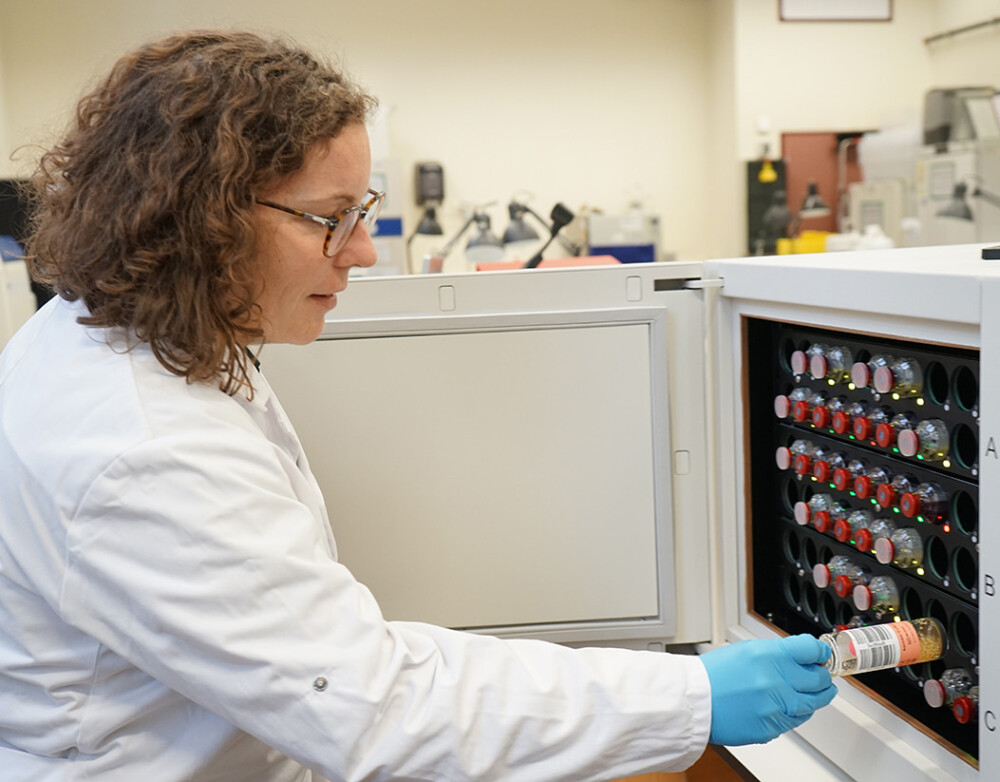
These results come from a controlled laboratory setting. The next step is to confirm the findings using clinical samples in a randomised controlled trial, to make sure interchangeability holds up when taking real-world variables into account. These findings could help make blood culture diagnostics more resilient, affordable and accessible worldwide.
“This study is somewhat controversial, but a typical example of applied and out-of-the-box research that is needed to improve access to diagnostics in resource limited settings,” says Professor Liselotte Hardy, Head of ITM’s Unit of Tropical Bacteriology and last author of the study.
The study was made possible with support from the Department of Economy, Science and Innovation of the Flemish Government, through ITM’s Health Innovations for All programme.
Spread the word! Share this story on
More stories
-
 - Articles
Final preparations underway for pivotal Phase 2/3 Bundibugyo vaccine trial
Tumaini, a pivotal Phase 2/3 clinical trial, will evaluate vaccine candidates including Ervebo as part of the DRC's outbreak response. There is currently no approved vaccine against Bundibugyo virus. Tumaini aims to close that gap.Read more -
- Articles
Who is at risk, and who is reached? Eight new insights into infection, care and prevention
With the Fresh Off The Journal series, we bring you our monthly research highlights.Read more -
- Articles
First 100 medical crisis intervention volunteers are undergoing training at ITM
One hundred volunteer doctors and nurses will form a Medical Reserve Unit (MRE) in Flanders that can be deployed rapidly in the event of acute, local health crises. They are gathering today for the first time for a training day on infectious diseases and outbreaks at the Institute of Tropical Medicine in Antwerp. They were welcomed by Caroline Gennez, the Flemish Minister for Welfare and Public Health, who will be providing 250,000 euros per year to the MRE over the next three years.Read more -
- Articles
How a nurse from Sierra Leone broadened her perspective at ITM
Introducing graduate Fatmata Bintu KargboRead more -
- Articles
Connecting research, policy and partnerships for better access to cancer medicines
Tinashe Zigomo, a PhD candidate at the University of the Western Cape School of Public Health, reflects on a four-week visiting scholar period at ITM Antwerp, focused on access to essential breast cancer medicines in low-resource settings.Read more -
- Articles
An infectious disease anywhere is an infectious disease everywhere
From the frontlines of the current Ebola outbreak in Central Africa to the resurgence of drug-resistant TB in Europe, weakening global health systems make all of us less safe.Read more -
- Articles
Infectious disease specialist Isabel Brosius wins Eos Pipet 2026 for her leadership in mpox research
The jury praises her strong scientific work and pronounced societal engagement.Read more -
- Articles
Strong collaboration strengthens the response: how jointly developed sequencing expertise helps to unravel the Bundibugyo Ebola outbreak
When the current Bundibugyo Ebola outbreak emerged in the Democratic Republic of Congo, researchers at ITM’s partner institute, Institut National de Recherche Biomédicale (INRB), responded immediately. ITM Professor Koen Vercauteren talks about the role of long-term investment in sequencing technologies and scientific partnerships.Read more -
- Articles
"This research will have a far greater impact on the people of Tanzania than the PhD degree I have earned."
An interview with Dr Amani Kikula, a researcher in obstetrics and gynaecology from Tanzania.Read more -
- Articles
"Infectious diseases cannot be studied from one discipline alone"
Ahead of the 66th ITM Colloquium, scientific leads Prof Dr Johan van Griensven from the Institute of Tropical Medicine (ITM) in Antwerp and Dr Endalamaw Gadisa from the Armauer Hansen Research Institute (AHRI) in Addis Ababa discuss why mobility is central to understanding infectious diseases and why researchers need to look beyond their own discipline.Read more