Fresh Off The Journal: November 2025
Publication highlights: November 2025
Every year, our ITM researchers, together with their partners, publish around 380 articles in high-impact journals. Each month, we highlight a selection of these publications.
Department of Public Health
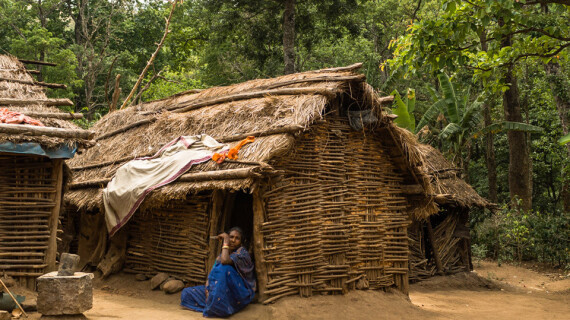
Dignity denied: the Soliga Adivasi community voices deep gaps in healthcare
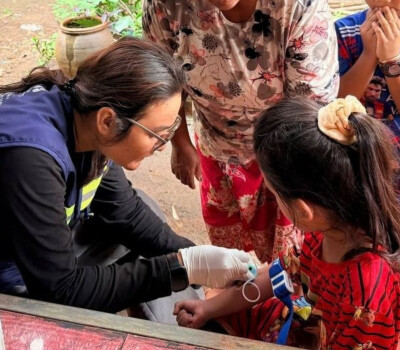
(c) image: Shrenik Sadalgi
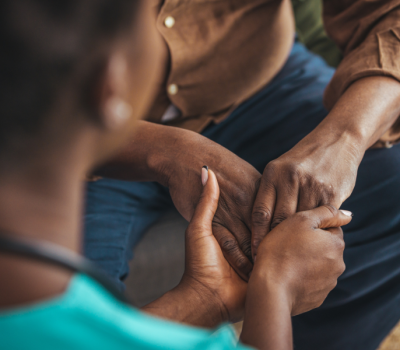
A new study with partners in India reveals how the Soliga Adivasi community in Karnataka still faces serious dignity violations in formal health services despite national commitments to universal health care. People report delays, neglect, lack of consent, privacy breaches and culturally insensitive care. These experiences reflect deeper structural injustices linked to displacement, poverty and exclusion from decision-making. The authors call for dignity-centred policies that value Adivasi autonomy and agency.
Putturaj, M., Ns, P., Seshadri, T., C, M., & Van Belle, S. (2025). Between rhetoric and reality: dignified health care for the Soliga Adivasi community in Chamarajanagar district, Karnataka, India. International Journal For Equity in Health, 24(1), 305. https://doi.org/10.1186/s12939-025-02637-6
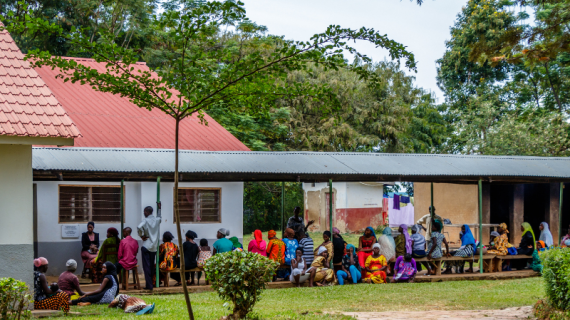
Are Ugandan mothers getting the care they need at birth?
A doctoral student from Uganda reveals a stark reality: although 86% of women in Uganda give birth in a facility, only 14% receive all essential interventions, and fewer than half deliver in a facility truly ready to provide quality care. Lower-level government health centres, where most births occur, are the least prepared. The findings expose a major gap between access and actual care, calling for urgent investment in quality, staffing, and equipment.
Turigye, B., Mulogo, E. M., Ngonzi, J., Macharia, P. M., Acheng, M., Christou, A., & Beňová, L. (2025). Beyond facility-based births: Is Uganda delivering effective maternal and newborn care? An analysis of the 2022 demographic health survey and 2023 harmonized health facility assessment survey. PLOS Global Public Health, 5(10), e0004949. https://doi.org/10.1371/journal.pgph.0004949

When AI reproduces a colonial gaze
Generative AI can reproduce harmful colonial stereotypes embedded in historical archives. Researchers asked an image-captioning model to describe photos from “human zoos,” public racist exhibitions of colonised people shown in Europe (including Antwerp) and the US until 1950s. Across 3,800 captions, the AI echoed patterns of essentialism, cultural erasure, dehumanisation, othering and infantilisation. The findings reveal how AI systems can carry colonial logics forward, reinforcing longstanding representational harms.
Alenichev, A., Shaffer, J. D., Kingori, P., Grietens, K. P., Muldoon, J., Rocher, L., Alenichev, A., Shaffer, J. D., Kingori, P., Grietens, K. P., Muldoon, J., & Rocher, L. (2025). ‘We can see a savage’: a case study of the colonial gaze in generative AI algorithms. AI & Society. https://doi.org/10.1007/s00146-025-02685-0
Department of Biomedical Sciences
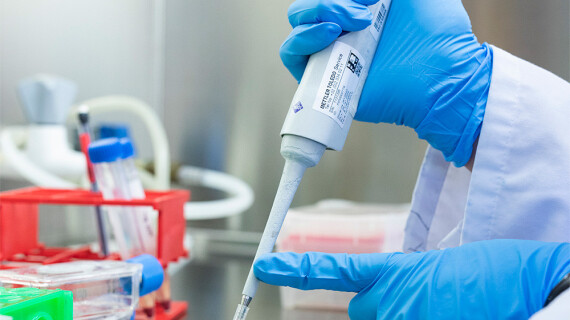
Improving malaria research with blood samples
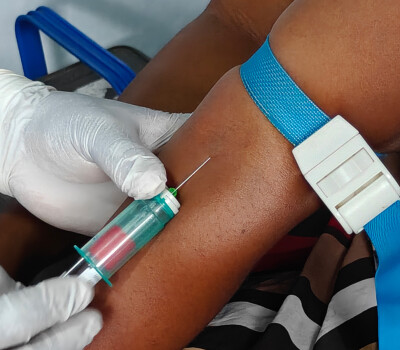
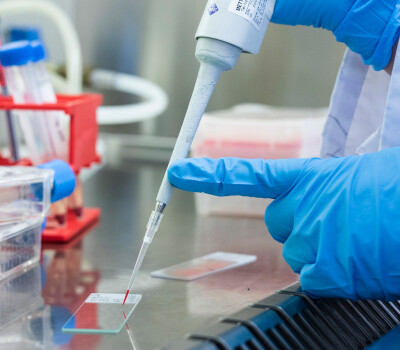
Studying Plasmodium vivax is difficult because researchers depend on patient samples that contain very few parasites and a lot of human genetic material. Using a Plasmodium knowlesi model, ITM researchers compared several sample preparation methods and identified an approach that greatly increases the amount of parasite RNA that can be detected. By removing white blood cells and reducing human globin and rRNA, combined with an mRNA-based sequencing method, the team can now recover much clearer parasite information from very small blood samples. This optimized protocol makes untargeted malaria transcriptomics more accessible, including in low-resource settings.
Sauve, E., Kattenberg, J. H., Moris, P., Guetens, P., Monsieurs, P., & Rosanas-Urgell, A. (2025). Low-volume Plasmodium blood sample processing protocols for untargeted transcriptomics optimized using Plasmodium knowlesi. Microbial Genomics, 11(11). https://doi.org/10.1099/mgen.0.001546
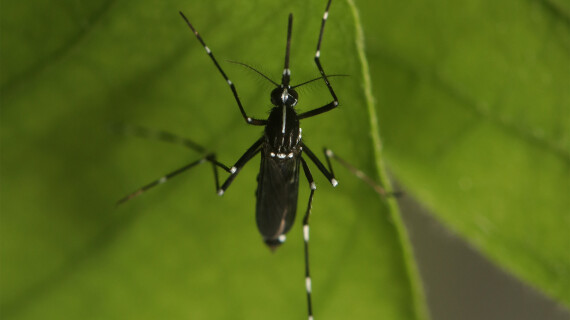
A warming welcome? Belgium's increasing suitability for the tiger mosquito
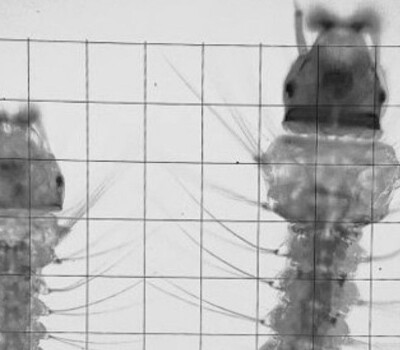
A new study shows that Belgium is becoming increasingly suitable for the Asian tiger mosquito that can transmit dengue, chikungunya and Zika. By simulating how often and when the mosquito might arrive, researchers found the highest chance of establishment in Flanders and Brussels, especially after early or repeated introductions in summer. While the transmission windows may remain limited compared to Mediterranean regions, with warmer conditions and continued arrivals, Belgium could face a growing risk of local mosquito-borne outbreaks.
Da Re, D., Deblauwe, I., Kern, E. I., Hermy, M., Romero, J. R., Tersago, K., Versteirt, V., Dumez, B., Houtsaeger, C., Rouffaer, L., Beck, O., Van Bortel, W., Da Re, D., Deblauwe, I., Kern, E. I., Hermy, M., Romero, J. R., Tersago, K., Versteirt, V., . . . Van Bortel, W. (2025). A warming welcome? Belgium’s increasing suitability for Aedes albopictus. Parasites & Vectors, 18(1). https://doi.org/10.1186/s13071-025-07119-w
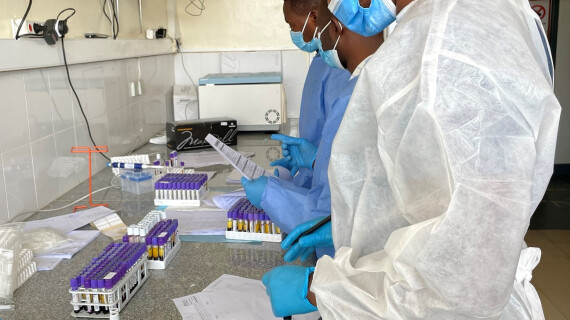
Testing a boost to tb treatment: high-dose amikacin shows early safety
The Rwanda Biomedical Centre and the Unit of Mycobacteriology tested whether a short, high dose of amikacin could safely strengthen the first week of all-oral treatment for rifampicin-resistant TB. Twenty patients received two intramuscular injections on day 1 and 4 in addition to their 6 month antibiotic regimen. None of the participants experienced serious side effects, such as to the kidneys or hearing. The pain they experienced was minimal. Amikacin cleared from the body quickly. In summary, this approach appears safe and now warrants larger, multi-country studies to assess its impact on preventing drug resistance.
Snobre, J., Gasana, J., Decroo, T., Mucyo, Y., Jacobs, B. K. M., Rigouts, L., Martin, I. C., Herssens, N., Hakizayezu, F., Ntihumbya, J. B., Kilibazayire, A., De Viron, E., Runyambo, D., Ndayishimiye, C., Merle, C. S., Muvunyi, C. M., Migambi, P., Sturkenboom, M. G. G., De Jong, B. C., & Ngabonziza, J. C. S. (2025). High-dose amikacin in the first week of all-oral rifampicin-resistant TB treatment is safe: a single-arm trial. IJTLD OPEN, 2(11), 655–661. https://doi.org/10.5588/ijtldopen.25.0120
Department of Clinical Sciences
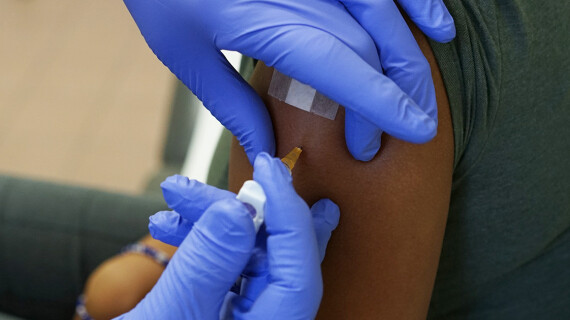
People who had mpox suspected to have long-term protection
During the 2022 mpox outbreak in Belgium, ITM scientists from The Biomedical Sciences, Clinical Sciences and Public Health Department worked closely together to understand what was happening and help guide the country’s response. Three years on, that same interdisciplinary collaboration has brought new insights: people who recovered from mpox show strong and lasting immune protection, still detectable two years later. For those who were only vaccinated, immunity fades more quickly, suggesting that boosters may be needed to keep people protected in the long run.
Van Dijck, C., Berens-Riha, N., Zaeck, L. M., Kremer, C., Verschueren, J., Coppens, J., Vanroye, F., Willems, E., Bosman, E., De Cock, N., Smekens, B., Vandenhove, L., Goovaerts, O., Van Hul, A., Wouters, J., Jacobs, B. K. M., Bracke, S., Hens, M., Brosius, I., De Vos, E., Bangwen, E., Houben, S., Tsoumanis, A., Ferreira Dantas, P. H. L., Rutgers, J., Lipman, A., Wijnans, K., Soentjens, P., Bottieau, E., Kenyon, C., van Griensven, J., Reyniers, T., Horst, N., Ariën, K. K., Van Esbroeck, M., Torneri, A., Vercauteren, K., Adriaensen, W., de Vries, R. D., Mariën, J., & Liesenborghs, L. (2025). Long-term consequences of monkeypox virus infection or modified vaccinia virus Ankara vaccination in Belgium (MPX-COHORT and POQS-FU-PLUS): A 24-month prospective and retrospective cohort study. The Lancet Infectious Diseases. https://doi.org/10.1016/S1473-3099(25)00545-6
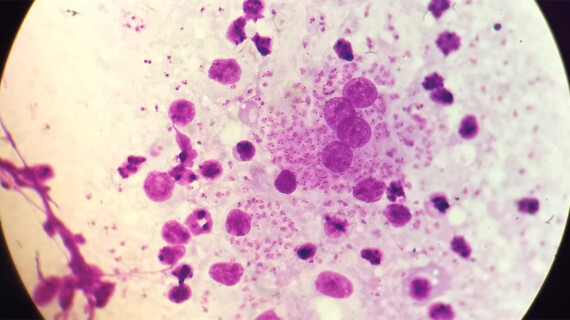
What we know, and still need to learn, about leishmaniasis
A new Nature Reviews Disease Primers article gives a global overview of leishmaniasis, a parasitic disease spread by sandflies that causes either severe visceral infection or disfiguring skin lesions. Diagnosis mostly relies on rapid tests and microscopy of tissue samples. Treatment depends on the form of the disease, with systemic and local therapies used worldwide. South Asia has sharply reduced cases, but sustained elimination efforts in all endemic areas will require better diagnostics, treatments, vector control and vaccine development, alongside strong political and health-system commitment.
Pareyn, M., Alves, F., Burza, S., Chakravarty, J., Alvar, J., Diro, E., Kaye, P. M., & Van Griensven, J. (2025). Leishmaniasis. Nature Reviews Disease Primers, 11(1). https://doi.org/10.1038/s41572-025-00663-w

Rethinking antibiotic residues in our food
In a joint effort between ITM’s Departments of Clinical Sciences and Public Health, researchers warn that tiny amounts of antibiotics in food may play a bigger role in antimicrobial resistance (AMR) than previously recognised. Their Lancet Microbe commentary highlights growing evidence that even “safe” residue levels can select for resistant bacteria in the human gut. They argue that food safety standards should account for AMR selection, not only toxicity, when setting allowable residue limits.
Manoharan-Basil, S. S., Ingelbeen, B., & Kenyon, C. (2025). Residual antimicrobials in food can select for antimicrobial resistance. The Lancet Microbe. Article 101281. https://doi.org/10.1016/j.lanmic.2025.101281
News
All news-
 With the Fresh Off The Journal series, we bring you our monthly research highlights.
 -
With the Fresh Off The Journal series, we bring you our monthly research highlights.
-
With the Fresh Off The Journal series, we bring you our monthly research highlights.
-
With the Fresh Off The Journal series, we bring you our monthly research highlights.
-
Articles
Fresh Off The Journal: April 2026
 With the Fresh Off The Journal series, we bring you eight research highlights every month.
 -
Articles
Fresh Off The Journal: March 2026
With the Fresh Off The Journal series, we bring you eight research highlights every month. -
Articles
Fresh Off The Journal: February 2026
With the Fresh Off The Journal series, we bring you nine research highlights every month. -
With the Fresh Off The Journal series, we bring you nine research highlights every month.
-
Articles
Fresh Off The Journal: November 2025
With the Fresh Off The Journal series, we bring you nine research highlights every month. -
Articles
Fresh Off The Journal: October 2025
With the Fresh Off The Journal series, we bring you nine research highlights every month. -
With the Fresh Off The Journal series, we bring you nine research highlights every month.
Spread the word! Share this story on
More stories
-
- Articles
Final preparations underway for pivotal Phase 2/3 Bundibugyo vaccine trial
Tumaini, a pivotal Phase 2/3 clinical trial, will evaluate vaccine candidates including Ervebo as part of the DRC's outbreak response. There is currently no approved vaccine against Bundibugyo virus. Tumaini aims to close that gap.Read more -
- Articles
Who is at risk, and who is reached? Eight new insights into infection, care and prevention
With the Fresh Off The Journal series, we bring you our monthly research highlights.Read more -
- Articles
First 100 medical crisis intervention volunteers are undergoing training at ITM
One hundred volunteer doctors and nurses will form a Medical Reserve Unit (MRE) in Flanders that can be deployed rapidly in the event of acute, local health crises. They are gathering today for the first time for a training day on infectious diseases and outbreaks at the Institute of Tropical Medicine in Antwerp. They were welcomed by Caroline Gennez, the Flemish Minister for Welfare and Public Health, who will be providing 250,000 euros per year to the MRE over the next three years.Read more -
- Articles
How a nurse from Sierra Leone broadened her perspective at ITM
Introducing graduate Fatmata Bintu KargboRead more -
- Articles
Connecting research, policy and partnerships for better access to cancer medicines
Tinashe Zigomo, a PhD candidate at the University of the Western Cape School of Public Health, reflects on a four-week visiting scholar period at ITM Antwerp, focused on access to essential breast cancer medicines in low-resource settings.Read more -
- Articles
An infectious disease anywhere is an infectious disease everywhere
From the frontlines of the current Ebola outbreak in Central Africa to the resurgence of drug-resistant TB in Europe, weakening global health systems make all of us less safe.Read more -
- Articles
Infectious disease specialist Isabel Brosius wins Eos Pipet 2026 for her leadership in mpox research
The jury praises her strong scientific work and pronounced societal engagement.Read more -
- Articles
Strong collaboration strengthens the response: how jointly developed sequencing expertise helps to unravel the Bundibugyo Ebola outbreak
When the current Bundibugyo Ebola outbreak emerged in the Democratic Republic of Congo, researchers at ITM’s partner institute, Institut National de Recherche Biomédicale (INRB), responded immediately. ITM Professor Koen Vercauteren talks about the role of long-term investment in sequencing technologies and scientific partnerships.Read more -
- Articles
"This research will have a far greater impact on the people of Tanzania than the PhD degree I have earned."
An interview with Dr Amani Kikula, a researcher in obstetrics and gynaecology from Tanzania.Read more -
- Articles
"Infectious diseases cannot be studied from one discipline alone"
Ahead of the 66th ITM Colloquium, scientific leads Prof Dr Johan van Griensven from the Institute of Tropical Medicine (ITM) in Antwerp and Dr Endalamaw Gadisa from the Armauer Hansen Research Institute (AHRI) in Addis Ababa discuss why mobility is central to understanding infectious diseases and why researchers need to look beyond their own discipline.Read more