Prof Koen Vercauteren wins ESCV European Diagnostic Virology Award

The European Society for Clinical Virology (ESCV) gathers virologists, scientists and physicians interested in all aspects of clinical virology and aims to promote knowledge of viruses and human viral diseases. Through its annual European Diagnostic Virology Award, the ESCV recognises and honours exceptional contributions in the area of viral diagnosis by junior scientists.
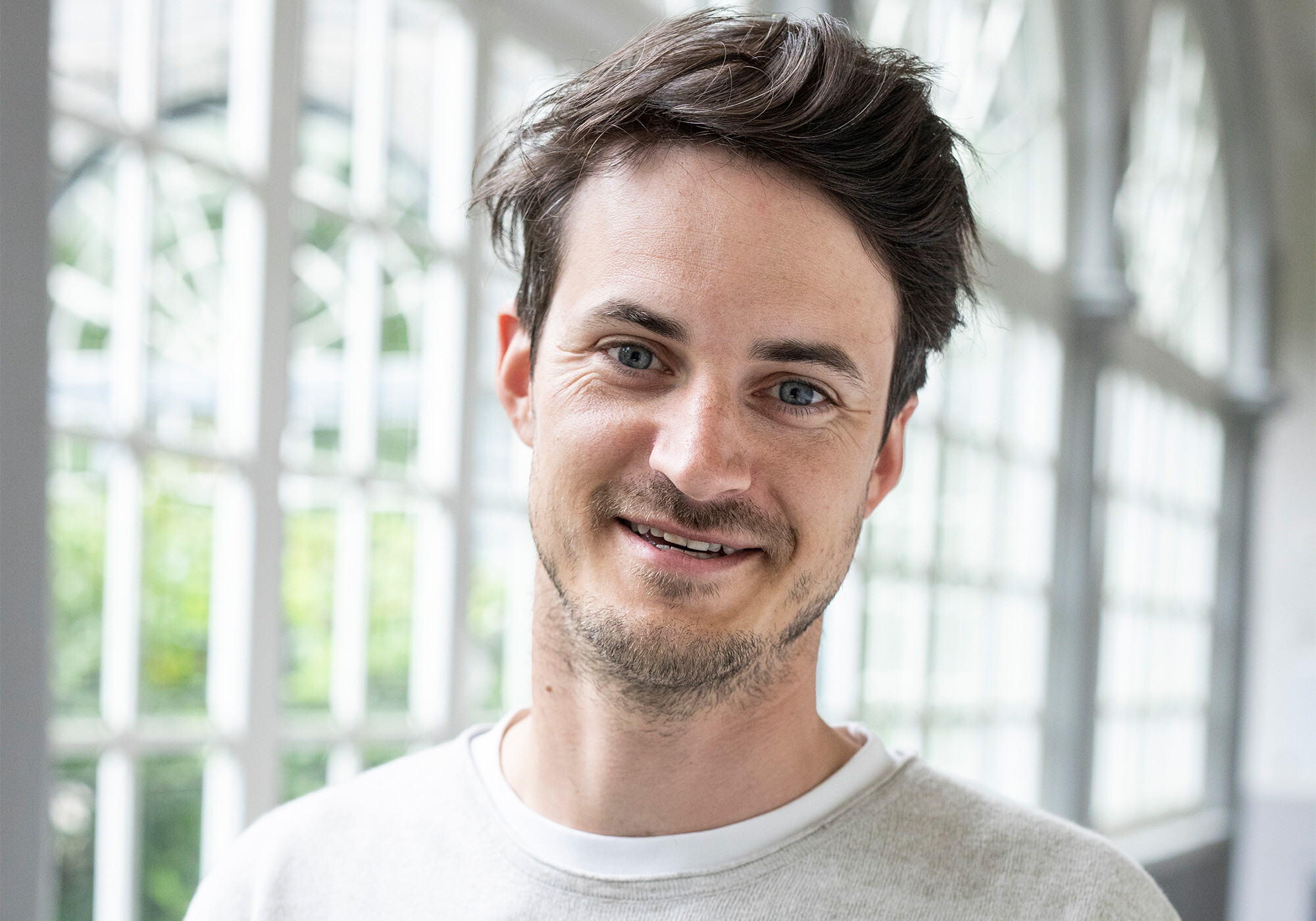
We are pleased to announce that Prof Koen Vercauteren received the 2025 European Diagnostic Virology Award at the 27th ESCV Annual Conference, held in Greece. He was honoured for his contributions to the field of tropical viral infectious diseases, particularly mpox.
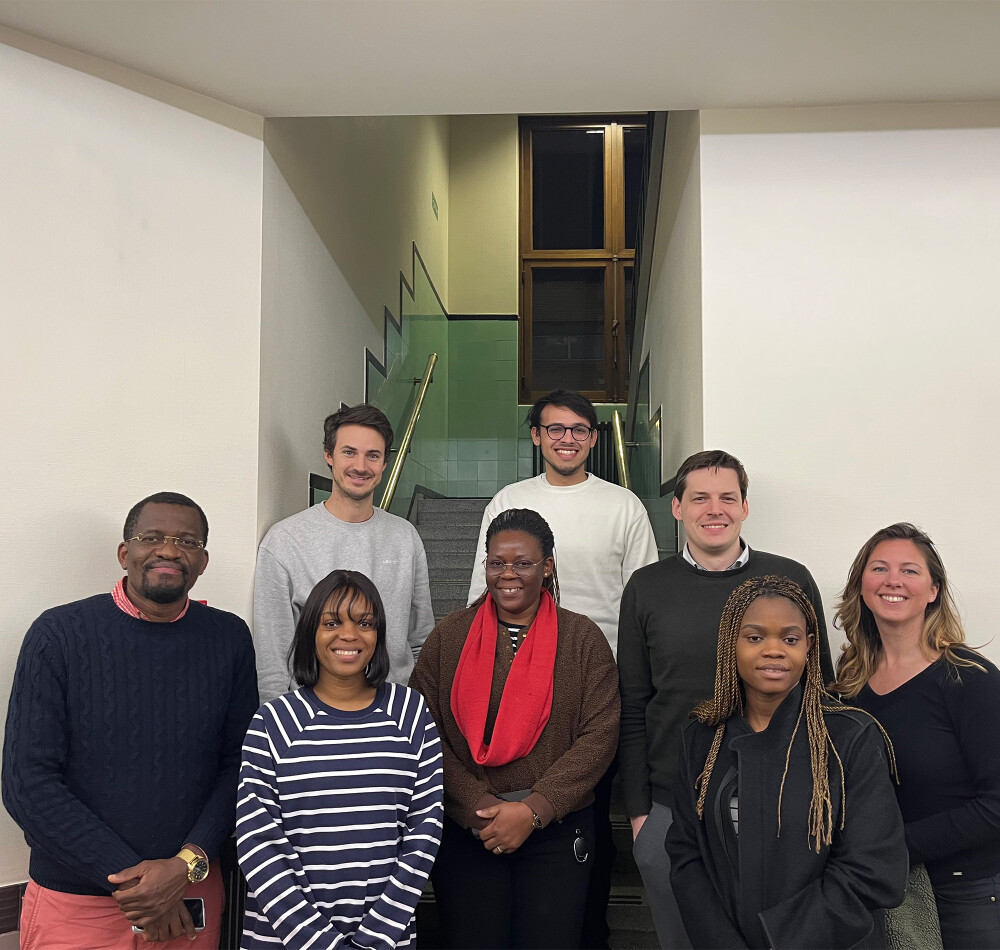
Since 2019, Prof Vercauteren has headed the Clinical Virology Unit of ITM. Together with his team, he works on:
diagnostic virology for patient care within the Belgian national reference laboratory for the diagnosis of infectious and tropical diseases
the development and validation of molecular assays for the detection and characterisation of high-consequence emerging zoonotic viruses like mpox virus, Ebola virus and Lassa virus
co-creation of metagenomic and viral sequencing capacity with partner laboratories in tropical regions where these viruses are endemic to investigate acute (hemorrhagic) fever etiologies, outbreak pathogens, viral evolution and molecular epidemiology
Leveraging this diagnostic virology and genomic surveillance capacity, the unit engages in multidisciplinary outbreak investigations with experts in pre-clinical research, clinical care, epidemiology, immunology, and ecology. Teaming up with the groups led by Prof Placide Mbala-Kingebeni (INRB, DRC) and Prof Laurens Liesenborghs (Clinical Emerging Infectious Diseases Unit, ITM), this integrated approach helped clarify mpox outbreaks in previously non-endemic regions (e.g., Belgium) and endemic areas (e.g., the Democratic Republic of the Congo), thereby informing clinical recognition, laboratory diagnosis and outbreak response.

Koen Vercauteren
Prof Koen Vercauteren obtained an MSc in Pharmaceutical Sciences in 2010 and subsequently completed a PhD in preclinical viral hepatitis research (with Profs Philip Meuleman and Geert Leroux-Roels, Ghent University). He continued his academic trajectory as a BAEF postdoctoral fellow at Rockefeller University in New York (Charles M. Rice Laboratory, recipient of the 2020 Nobel Prize in Physiology or Medicine), where he continued preclinical virology research. He then pursued his clinical residency in laboratory medicine (clinical microbiology, chemistry, and haematology).
Since 2019, he has been a professor at ITM, head of the Clinical Virology Unit, and a clinical biologist at the ITM Clinical Reference Laboratory. The Clinical Virology Unit currently includes and (co-)promotes six PhD students, four postdoctoral researchers, two laboratory technicians, and has supervised seven MSc students in tropical medicine and public health.
Spread the word! Share this story on
More stories
-
 - Articles
Final preparations underway for pivotal Phase 2/3 Bundibugyo vaccine trial
Tumaini, a pivotal Phase 2/3 clinical trial, will evaluate vaccine candidates including Ervebo as part of the DRC's outbreak response. There is currently no approved vaccine against Bundibugyo virus. Tumaini aims to close that gap.Read more -
- Articles
Who is at risk, and who is reached? Eight new insights into infection, care and prevention
With the Fresh Off The Journal series, we bring you our monthly research highlights.Read more -
- Articles
First 100 medical crisis intervention volunteers are undergoing training at ITM
One hundred volunteer doctors and nurses will form a Medical Reserve Unit (MRE) in Flanders that can be deployed rapidly in the event of acute, local health crises. They are gathering today for the first time for a training day on infectious diseases and outbreaks at the Institute of Tropical Medicine in Antwerp. They were welcomed by Caroline Gennez, the Flemish Minister for Welfare and Public Health, who will be providing 250,000 euros per year to the MRE over the next three years.Read more -
- Articles
How a nurse from Sierra Leone broadened her perspective at ITM
Introducing graduate Fatmata Bintu KargboRead more -
- Articles
Connecting research, policy and partnerships for better access to cancer medicines
Tinashe Zigomo, a PhD candidate at the University of the Western Cape School of Public Health, reflects on a four-week visiting scholar period at ITM Antwerp, focused on access to essential breast cancer medicines in low-resource settings.Read more -
- Articles
An infectious disease anywhere is an infectious disease everywhere
From the frontlines of the current Ebola outbreak in Central Africa to the resurgence of drug-resistant TB in Europe, weakening global health systems make all of us less safe.Read more -
- Articles
Infectious disease specialist Isabel Brosius wins Eos Pipet 2026 for her leadership in mpox research
The jury praises her strong scientific work and pronounced societal engagement.Read more -
- Articles
Strong collaboration strengthens the response: how jointly developed sequencing expertise helps to unravel the Bundibugyo Ebola outbreak
When the current Bundibugyo Ebola outbreak emerged in the Democratic Republic of Congo, researchers at ITM’s partner institute, Institut National de Recherche Biomédicale (INRB), responded immediately. ITM Professor Koen Vercauteren talks about the role of long-term investment in sequencing technologies and scientific partnerships.Read more -
- Articles
"This research will have a far greater impact on the people of Tanzania than the PhD degree I have earned."
An interview with Dr Amani Kikula, a researcher in obstetrics and gynaecology from Tanzania.Read more -
- Articles
"Infectious diseases cannot be studied from one discipline alone"
Ahead of the 66th ITM Colloquium, scientific leads Prof Dr Johan van Griensven from the Institute of Tropical Medicine (ITM) in Antwerp and Dr Endalamaw Gadisa from the Armauer Hansen Research Institute (AHRI) in Addis Ababa discuss why mobility is central to understanding infectious diseases and why researchers need to look beyond their own discipline.Read more