Fresh Off The Journal: January 2026
Publication highlights: December 2025 and January 2026
Every year, our ITM researchers, together with their partners, publish around 380 articles in high-impact journals. Each month, we highlight a selection of these publications.
Department of Biomedical Sciences
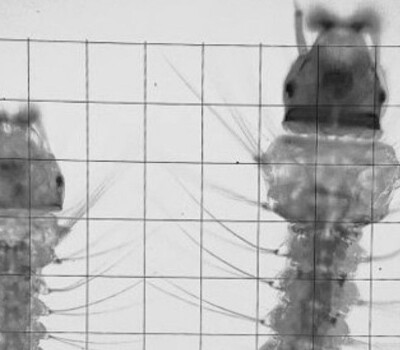
When lab mosquitoes meet the real world
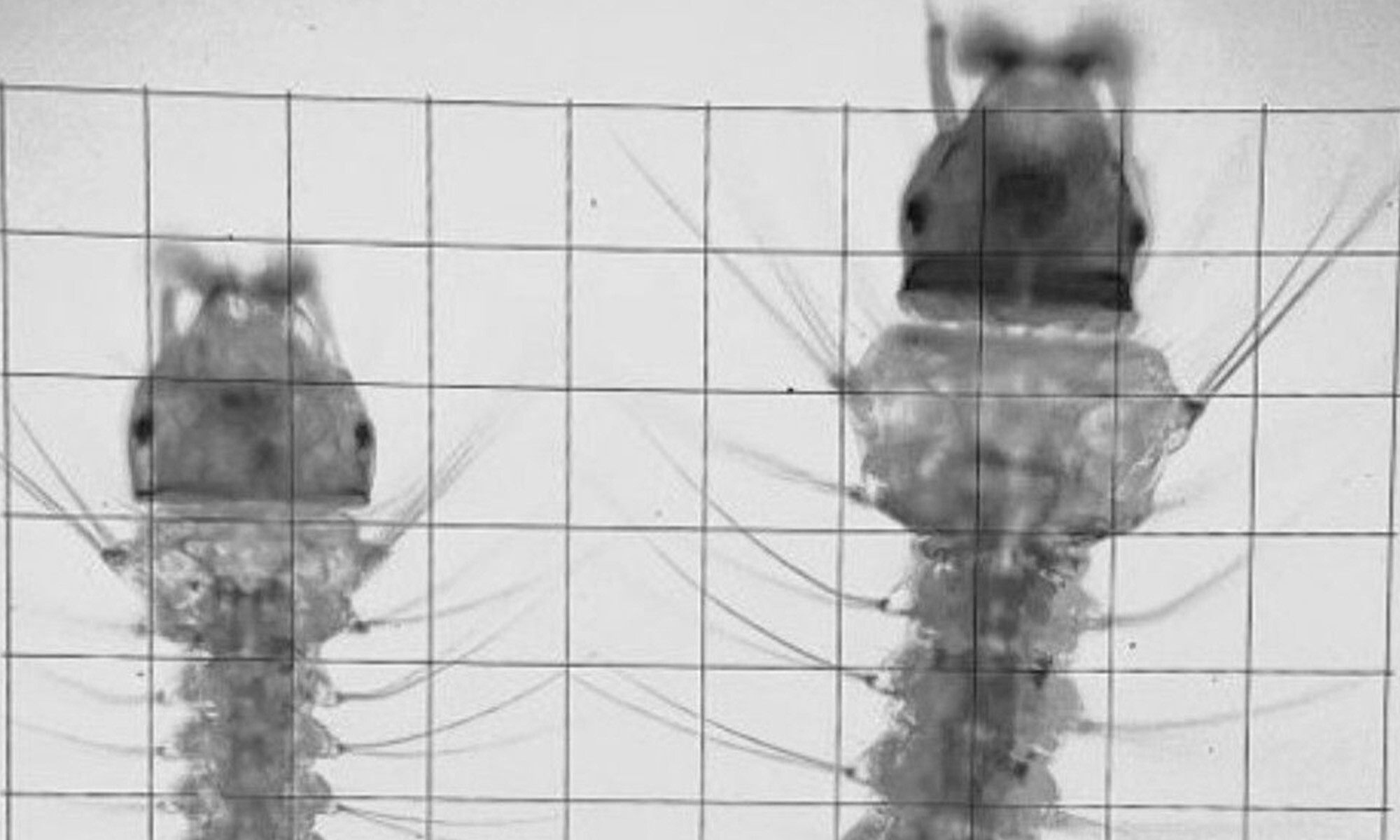
The Simões laboratory challenges the malaria vector research status quo, arguing that genetic interventions designed in stable laboratory conditions often falter outdoors. As the only laboratory globally integrating complex environmental fluctuations into vector research, they argue that environmental variability must be addressed in the early development of vector-based genetic interventions to tackle malaria transmission. This article defends a real-world approach, essential for ensuring genetically modified mosquitoes remain effective in a shifting climate.
Dael, L., & Simões, M. L. (2026). Beyond the static lab: Environmental variability in genetically modified mosquito target gene identification for malaria control. Current Opinion in Insect Science, Article 101489. https://doi.org/10.1016/j.cois.2026.101489

Viral diversity in the wild meat trade
Screening mammals sold for wild meat in the Democratic Republic of the Congo (DRC) and Belgium, researchers uncovered a striking diversity of viruses in 28 wild African mammalian species and one domesticated species. Several viruses were identified in animal hosts for the first time, including strains related to human picobirnaviruses, simian foamy viruses and rotavirus A. Their detection in non-human primates raises concerns about cross-species transmission along the wild meat supply chain.
Geraerts, M., Gombeer, S., Nebesse, C., Akaibe, D., Akaibe, D., Baelo, P., Chaber, A., Gaubert, P., Gembu, G., Joffrin, L., Laudisoit, A., Laurent, N., Leirs, H., Mande, C., Mariën, J., Ngoy, S., Těšíková, J., Vanderheyden, A., Van Vredendaal, R., . . . Gryseels, S. (2025). A wide diversity of viruses detected in African mammals involved in the wild meat supply chain. PLoS Pathogens, 21(12), e1013643. https://doi.org/10.1371/journal.ppat.1013643
Testing the limits of next-generation sleeping sickness diagnostics
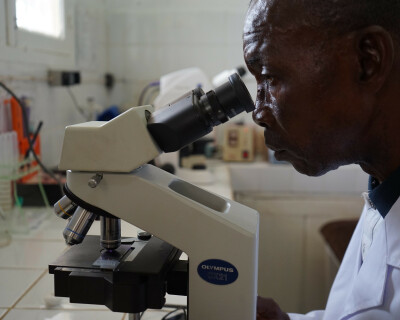
In the DRC, researchers prospectively evaluated second-generation rapid diagnostic tests for gambiense sleeping sickness alongside established serological, parasitological and molecular methods. While rapid tests offer practical advantages for field use, their specificity fell short of WHO targets in low-prevalence settings. These findings highlight persistent challenges in the design and interpretation of new diagnostic procedures, and the need for further refinement before these tools can reliably support elimination efforts.
Alonso, S. T., Da Luz, R. I., Van Reet, N., Ngay, I., Pemba, M. M., Rogé, S., Kwete, J., Nicco, E., Rigouts, L., Miaka, E. M., Ngoyi, D. M., Verlé, P., Büscher, P., & Hasker, E. (2025). Prospective evaluation of 2nd generation rapid diagnostic tests for the serological diagnosis of gambiense human African trypanosomiasis in the Democratic Republic of the Congo. BMC Infectious Diseases, 26(1), 46. https://doi.org/10.1186/s12879-025-12278-3
Department of Clinical Sciences
A low-cost way to spot bloodstream infections
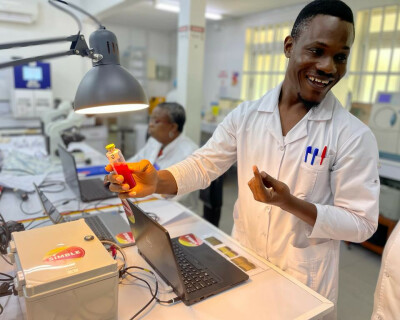
Researchers developed and tested BactInsight, a simple blood culture system built for low-resource settings, and found it performs comparable to expensive automated machines in reference laboratory conditions. Designed as a user-friendly, climate-resilient device, it can detect many bloodstream infections faster when combined with visual checks. Ongoing field trials in Burkina Faso and Benin will show whether this affordable tool can help bring life-saving diagnostics to settings where blood cultures are often out of reach.
Barbé, B., Cornelis, J., Ghomashi, M., Corsmit, E., Genbrugge, E., Marchesin, F., Li, Y., Baets, R., Jacobs, J., & Hardy, L. (2026). Performance evaluation of the BactInsight simplified blood culture system developed for resource-limited settings using a simulated test design.Scientific Reports. https://doi.org/10.1038/s41598-026-36676-y

Can smarter prescribing slow STI resistance?
In Belgium, scaling back routine STI screening and antibiotic use among men who have sex with men was followed by a drop in resistance to commonly used antibiotics. After years of rising resistance, gonorrhoea and Mycoplasma genitalium showed early signs of reversal. While not yet proof of cause and effect, the findings offer rare real-world hope that careful antibiotic use can help curb STI resistance.
Vanbaelen, T., De Baetselier, I., Tsoumanis, A., Hensen, B., Van den Bossche, D., & Kenyon, C. (2026). Reversing resistance? Declines in macrolide-resistant STIs following antimicrobial stewardship interventions in Belgium. The Lancet Microbe, published online January 19, 2026. https://doi.org/10.1016/j.lanmic.2025.101297
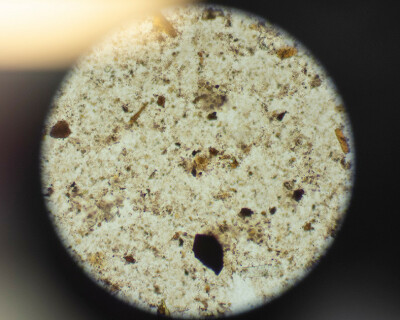
Travel diarrhoea tougher to treat
An analysis from the GeoSentinel network shows that many bacteria causing travellers’ diarrhoea are now resistant to commonly used antibiotics, and the risk depends on where you travel. Infections linked to South and Central Asia and South America showed especially high resistance. The findings challenge one-size-fits-all self-treatment advice and underscore the growing need for better diagnostics and region-specific guidance for travellers and clinicians alike.
Amatya, B., Pandey, P., McGuinness, S. L., Grobusch, M. P., Muhi, S., Leder, K., Díaz-Menéndez, M., Stroffolini, G., Gobbi, F., Oliveira-Souto, I., Waggoner, J. J., Theunissen, C., De Miguel, R., Kazmi, K., Dawadi, S., Pradhan, R., Goorhuis, A., Connor, B. A., Hamer, D. H., . . . Zinkernage, A. (2025). GeoSentinel Analysis of Travelers’ Diarrhea Antimicrobial Resistance Patterns. JAMA Network Open, 8(12), e2551089. https://doi.org/10.1001/jamanetworkopen.2025.51089
Department of Public Health
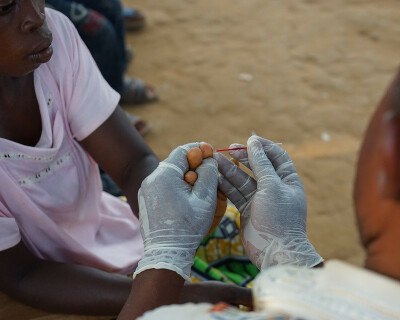
Why diagnostics matter in the final push against sleeping sickness
This multidisciplinary study brings together biomedical science and field screening and national control programmes to assess new diagnostic tools for gambiense sleeping sickness in the DRC. While rapid tests promise easier screening, their limited specificity raises concerns for surveillance in near-elimination settings. As Epco Hasker epidemiologist notes: “When case numbers are low, even small diagnostic inaccuracies can undermine trust, waste resources and complicate decision-making for control programmes.”
Alonso, S. T., Da Luz, R. I., Van Reet, N., Ngay, I., Pemba, M. M., Rogé, S., Kwete, J., Nicco, E., Rigouts, L., Miaka, E. M., Ngoyi, D. M., Verlé, P., Büscher, P., & Hasker, E. (2025). Prospective evaluation of 2nd generation rapid diagnostic tests for the serological diagnosis of gambiense human African trypanosomiasis in the Democratic Republic of the Congo. BMC Infectious Diseases, 26(1), 46. https://doi.org/10.1186/s12879-025-12278-3
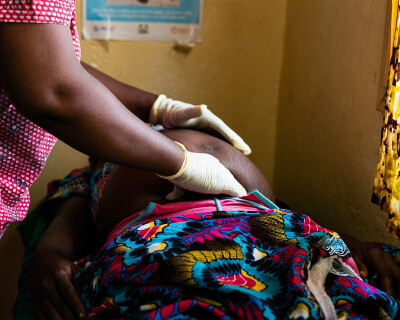
The long shadow of mistreatment in childbirth
This prospective study examined the link between mistreatment (disrespectful and abusive care) during childbirth in health facilities and postpartum depression in Ethiopia and Guinea. Most women experienced some form of mistreatment, ranging from verbal and physical abuse to neglect, poor communication, and stigma or discrimination. The more mistreatment women endured, the higher their risk of postpartum depression, even among those without depression during pregnancy. Conducted by ITM with partners in Ethiopia, Guinea, the UK and Belgium, the findings underscore the urgent need for respectful, woman-centred childbirth care.
Asefa, A., Beňová, L., Marchal, B., Hanlon, C., Millimouno, T. M., Asfaw, M., Tuncalp, Ö., Smekens, T., Delamou, A., & Gebremedhin, S. (2026). Unraveling the link between the mistreatment of women during childbirth and postpartum depression: A prospective longitudinal study in Ethiopia and Guinea. EClinicalMedicine, 91, Article 103702. https://doi.org/10.1016/j.eclinm.2025.103702

Access to essential medicines amid conflict
In Northern Syria, the war has turned access to medicines necessary for the management of heart disease, diabetes and epilepsy into a daily struggle. Surveying clinics and pharmacies, researchers found that essential medicines were available only about half the time, far below WHO targets (Above 80%), with epilepsy medicines hardest to find. Interviews point to broken supply routes, weak regulation and major price swings. Yet informal channels kept some supplies moving, offering limited access to essential medicines.
Aljadeeah, S., Tarrafeta, B., Fahed, S., Kielmann, K., & Ravinetto, R. (2025). Access to essential medicines for noncommunicable diseases during conflicts: The case cardiovascular diseases, diabetes and epilepsy in Northern Syria. PLOS Global Public Health, 5(12), e0004744. https://doi.org/10.1371/journal.pgph.0004744
News
All news-
 Articles
Fresh Off The Journal: January 2026
 With the Fresh Off The Journal series, we bring you nine research highlights every month.
 -
Articles
Fresh Off The Journal: November 2025
With the Fresh Off The Journal series, we bring you nine research highlights every month. -
Articles
Fresh Off The Journal: October 2025
With the Fresh Off The Journal series, we bring you nine research highlights every month. -
With the Fresh Off The Journal series, we bring you nine research highlights every month.


Spread the word! Share this story on
More stories
-
- Articles
ITM moments that shaped 2025
2025 had many moments to be proud of. Explore our highlights in research, education, medical service delivery and global partnerships.Read more -
- Articles
The Making of a Professor of Tuberculosis
An interview with Professor Tom Decroo, Head of the Unit of HIV and TBRead more -
- Articles
Fragile and conflict-affected settings: post-abortion care generally satisfactory, but communication needs to be improved
Quality of care is not enough without dialogue with women.Read more -
- Articles
ITM celebrates 120 years of science, care and global engagement
In 2026, ITM marks a significant milestone: 120 years of advancing health worldwide. What began in 1906 has grown into an internationally recognised institute for research, education and service in global health. Throughout 2026, we will reflect on our history, on today's challenges, and look ahead to the future through a diverse anniversary programme.Read more -
- Articles
Why 200,000 children still die every year due to antibiotic resistance
This blog article was published by ITM researcher Dr Brecht Ingelbeen (Unit of Emerging Infectious Diseases) on EOS Blogs.Read more -
- Articles
For the girls of Mumbra, playing football on the squares is so much more than just a game
This blog article was published by ITM researcher Sara Van Belle (Unit of Pharmaceutical Public Health) on EOS Blogs.Read more -
- Articles
Strengthening virology capacity in Nepal through partnership
In November 2025, ITM researchers partnered with Tribhuvan University in Kathmandu, Nepal, to organise the two-week BasVir training course, a short course on basic virology and cell culture techniques. The initiative reflects a shared commitment to long-term collaboration, skills sharing and locally anchored research.Read more -
- Articles
Prof Koen Vercauteren wins ESCV European Diagnostic Virology Award
Prof Koen Vercauteren (Clinical Virology Unit) has won the ESCV European Diagnostic Virology Award for his contributions to the field of tropical viral infectious diseases, particularly mpox.Read more -
- Articles
Fresh Off The Journal: November 2025
With the Fresh Off The Journal series, we bring you nine research highlights every month.Read more -
- Articles
“My earlier work was focused on specific molecular questions. Here, things open up into reality”
A conversation with Ciaran McCoy, Head of the Helminthology Unit.Read more