From preparedness to practice: bringing evidence closer to reality
Fresh Off The Journal: June 2026
How can faster testing improve our Ebola outbreak response? What happens when clinical trials do not include the patients doctors see in real life? And how can better knowledge of drug resistance, self-testing and vaccine acceptance support disease control?
In this month's Fresh Off The Journal, ITM researchers and partners explore infectious diseases and public health challenges from different angles: from Ebola outbreak preparedness and portable diagnostics in DR Congo to leishmaniasis treatment in Ethiopia, HIV self-testing in Belgium, malaria vaccination in Burkina Faso and malnutrition in Guatemala.
Together, these studies show that effective disease control depends on more than one solution. It requires preparedness before outbreaks begin, tests and treatments that work in real-world settings, and health systems that can turn scientific evidence into timely action.
Researching (re-)emerging infections and outbreaks
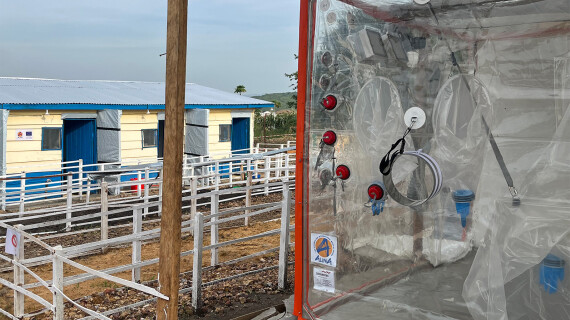
Preparedness for outbreaks must be built and sustained in advance
The ongoing Ebola outbreak in the Democratic Republic of the Congo shows why fast diagnosis matters. The virus involved is the rarer Bundibugyo Ebola virus, which early tests failed to detect. Kevin Ariën argues that preparedness should not focus only on the most common Ebola virus, but also include tests, vaccines and treatments for related viruses that may cause future outbreaks.
Ariën, K. K. (2026). Better diagnostics could have limited Ebola outbreak. Nature, 654, 9. https://doi.org/10.1038/d41586-026-01724-0
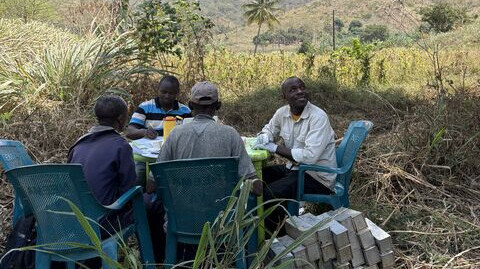
Testing worm infections in wild African rodents
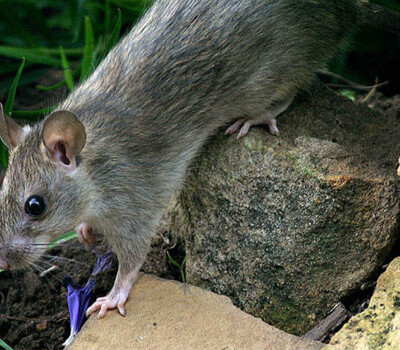
Researchers infected wild multimammate mice (Mastomys natalensis) from Tanzania with a gut worm that naturally infects them. Most mice became infected, whether they received one higher dose or several lower doses. However, the higher-dose group carried many more young worms. The study helps connect laboratory parasite research with what may happen in wild animals, where exposure levels can shape infection patterns.
van de Ven, M., Massawe, A., Leirs, H., & Mariën, J. (2026). Experimental infection of wild Mastomys natalensis with the parasitic nematode Trichuris mastomysi. Journal of Helminthology, 100, e65, 1–5. https://doi.org/10.1017/S0022149X26101618
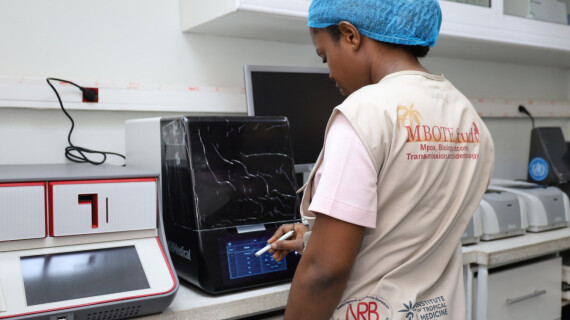
Faster Ebola testing during outbreaks
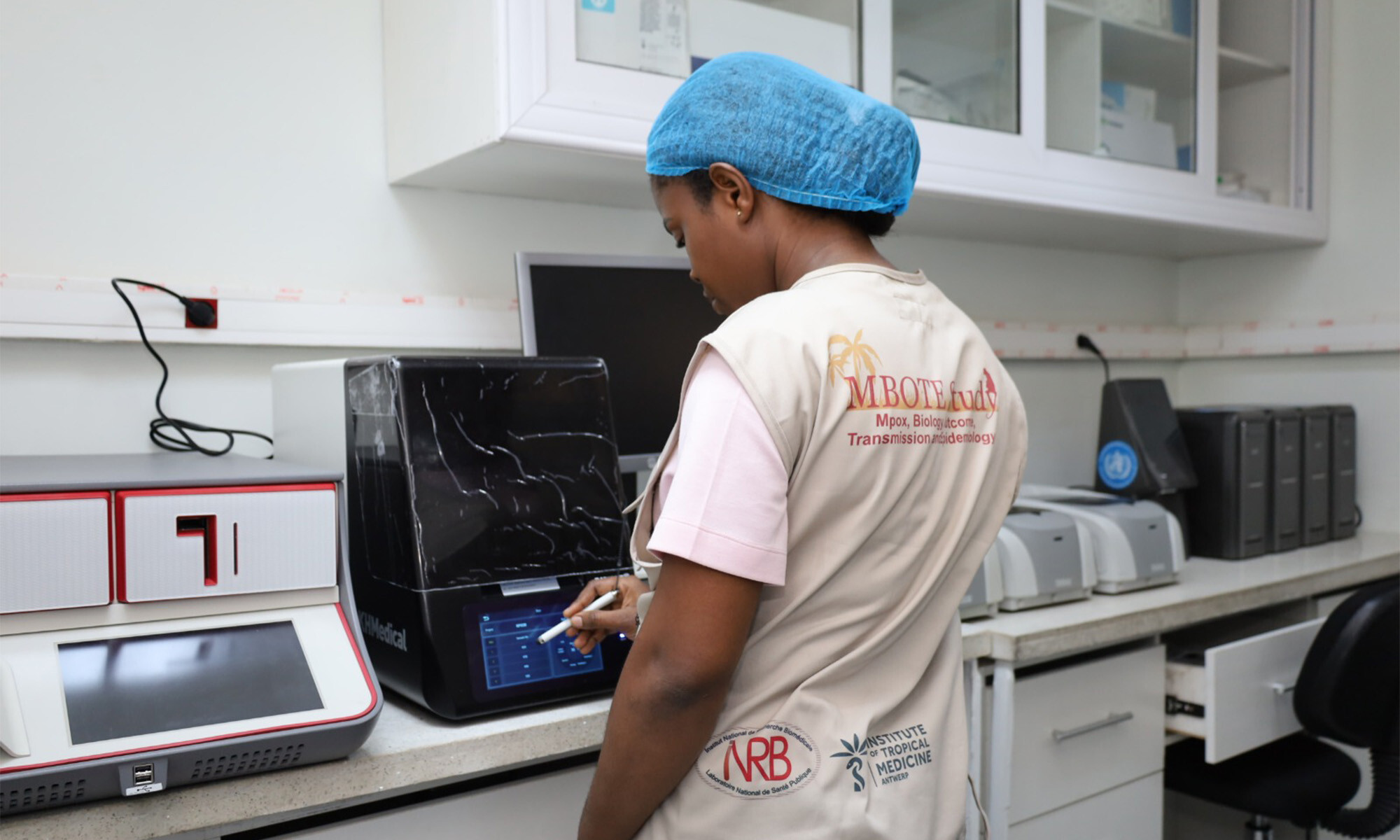
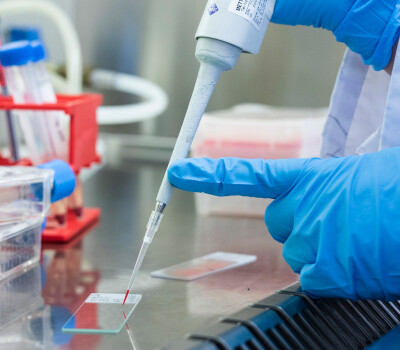
During the ongoing 2026 Bundibugyo virus disease outbreak in Ituri province, DR Congo, researchers tested a portable Ebola diagnostic system on blood samples from suspected cases. The test gave results within 65 minutes and showed strong agreement with a standard laboratory test. The study suggests that easier-to-use testing closer to affected communities could help confirm cases faster and support outbreak response.
Wawina-Bokalanga, T., Amuri-Aziza, A., Vercauteren, K., Mukadi-Bamuleka, D., Ngandu, C., Kindrachuk, J., Akilimali, P., Muyembe-Tamfum, J.-J., Mbala-Kingebeni, P., & the Ebola Research and Response Team. (2026). Diagnostic performance of RADIONE for diagnosis of BDBV. The Lancet Infectious Diseases. https://doi.org/10.1016/S1473-3099(26)00321-X
Designing sustainable health systems and strategies

Shared roots of malnutrition in Guatemalan households
In Guatemala, many households face two forms of malnutrition at the same time: a young child with stunted growth and a woman with overweight or obesity. Using national survey data from 2013–2019, researchers found that this affected about one in five households. It was more common in households with lower levels of education, Indigenous families, larger families, and limited access to health insurance, highlighting the need for more equitable and integrated nutrition policies.
Sagastume, D., Mazariegos, M., Polman, K., Palmieri, M., Mesarina, K., Peñalvo, J. L., Beňová, L., & Ramírez-Zea, M. (2026). Overlapping sociodemographic factors of single and multiple forms of malnutrition in Guatemalan households: A secondary data analysis of the Epidemiological Health and Nutrition Surveillance System (2013–2019). BMJ Public Health, 4, e002792. https://doi.org/10.1136/bmjph-2025-002792

HIV self-tests in Belgian pharmacies: available, but rarely sold
HIV self-tests have been available in Belgian pharmacies since 2017, but a survey among Belgian community pharmacies found that sales remain very low. Only one in three pharmacies reported selling the self-tests and about 23% sells one or two of those tests per year. Most pharmacists see self-tests as a useful extra testing option, but many reported feeling uncomfortable advising clients due to limited experience and knowledge. Better training of pharmacists, enhanced visibility and affordability of the kits could increase uptake and strengthen the role of pharmacists as complementary providers of HIV testing.
Rotsaert, A., Beseran Valero, E., Nöstlinger, C., Vanbaelen, T., Van den Bossche, D., Deblonde, J., Scheerder, G., Ravinetto, R., Reyniers, T., & Hensen, B. (2026). Sales of HIV self-tests (HIVST) and pharmacists’ knowledge, attitudes and perceptions regarding the distribution of HIVST in community pharmacies in Belgium: a cross-sectional survey. Sexually Transmitted Infections. https://doi.org/10.1136/sextrans-2026-056906
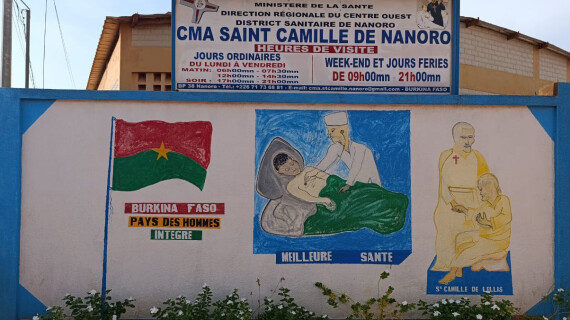
Strong support for the malaria vaccine among health workers
In Burkina Faso’s Nanoro Health District, most surveyed healthcare workers said they would vaccinate their children against malaria. However, few were hesitant due to insufficient information about the vaccine and more than one-fifth had limited knowledge about this specific vaccine. More than half had not received training before the rollout. The study highlights the need for clear communication and training to support long-term vaccine uptake.
Lamien, J., Kaboré, B., Derra, K., Compaoré, Z. M. J., Nassa, G. J. W., Yaro, A. P. K., Gbangou, B. R., Ravinetto, R., Tinto, H., & Dochez, C. (2026). Healthcare workers’ knowledge and acceptance of the malaria vaccine in the Nanoro Health District of Burkina Faso: a cross-sectional study. Malaria Journal. https://doi.org/10.1186/s12936-026-06006-8
Accelerating disease elimination
When clinical trials don't reflect real-world leishmaniasis
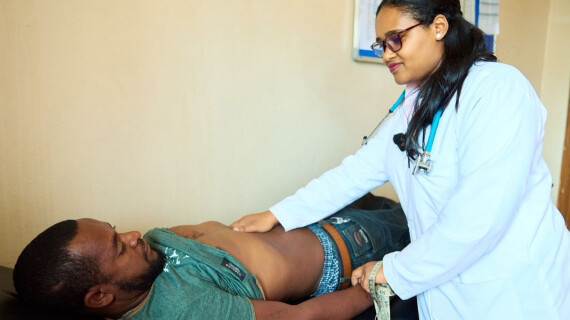
Researchers followed 314 visceral leishmaniasis patients treated at a referral centre in Ethiopia and found that most would have been excluded from standard treatment trials because of severe illness or comorbidities. These patients required intensive supportive care, including antibiotics and blood transfusions, in addition to antileishmanial treatment, and had worse outcomes. The findings call for more inclusive clinical research and strengthened supportive care.
Ayele, E., Van Henten, S., Ayalew, D. G., Atnafu, S., Mereed, A. E., Yohannes, H., Mekonnen, T., Bogale, T., Mossa, A., Legese, G. L., Yasin, J., Berens-Riha, N., Pham, T., Boodman, C., Mondelaers, A., Adriaensen, W. J., Abdellati, S., Diro, E., Mohammed, R., . . . Van Griensven, J. (2026b). Severe visceral leishmaniasis in Ethiopia: Outcomes, co-infections and mortality in a prospective real-world cohort. PLoS Neglected Tropical Diseases, 20(6), e0013878. https://doi.org/10.1371/journal.pntd.0013878
Taking on antimicrobial resistance
Difficult to kill Leishmania (super)parasites
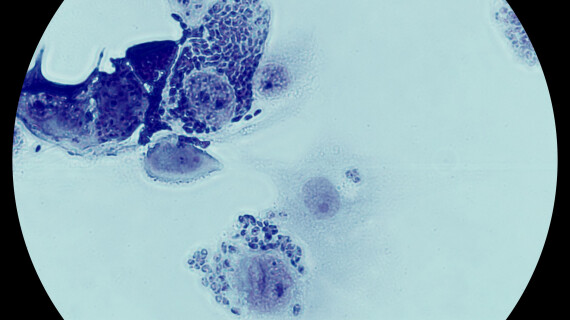
Leishmaniasis is a killer parasitic disease, difficult to treat. Drug resistance is often the culprit of treatment failure, but another mechanism was discovered: drug tolerance. Within a drug-exposed Leishmania parasite population, a fraction of cells survives by switching to an ‘economy’ mode. These drug-tolerant parasites reactivate in the absence of drugs, show cross-tolerance to multiple antileishmanial compounds or they even can become more resistant.
Aroni-Soto, A., Monsieurs, P., Goovaerts, O., Choukri, K., Khanal, B., Adriaensen, W., Dujardin, J., Barrett, M. P., & Domagalska, M. A. (2025). Multi-drug tolerance in Leishmania persister-like cells. Communications Biology. https://doi.org/10.1038/s42003-026-10456-w
Tracing the source of drug resistance in gonorrhoea
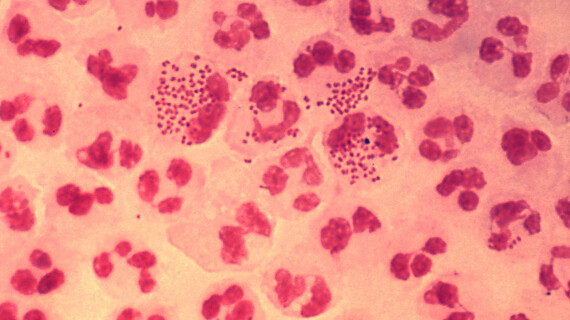
Gonorrhoea is becoming harder to treat when the bacterium Neisseria gonorrhoeae develops resistance to ceftriaxone, an important antibiotic. Researchers compared resistance-related genes from gonorrhoea bacteria with those from harmless Neisseria bacteria found in adults in Tokyo. They found evidence that Neisseria subflava, a common mouth bacterium, likely contributed genetic material linked to resistance. The study suggests that monitoring harmless relatives may help detect resistance earlier.
Kanesaka, I., Ohno, A., Laumen, J. G. E., Abdellati, S., De Block, T., Morita, M., Katsuse, A. K., Kobayashi, I., Kenyon, C., & Manoharan-Basil, S. S. (2026). Recombination mapping identifies a commensal Neisseria subflava origin of mosaic penA 60.001 allele in Neisseria gonorrhoeae. FEMS Microbiology Letters, 373. https://doi.org/10.1093/femsle/fnag071
News
All news-
 With the Fresh Off The Journal series, we bring you our monthly research highlights.
 -
With the Fresh Off The Journal series, we bring you our monthly research highlights.
-
With the Fresh Off The Journal series, we bring you our monthly research highlights.
-
With the Fresh Off The Journal series, we bring you our monthly research highlights.
-
Articles
Fresh Off The Journal: April 2026
 With the Fresh Off The Journal series, we bring you eight research highlights every month.
 -
Articles
Fresh Off The Journal: March 2026
With the Fresh Off The Journal series, we bring you eight research highlights every month. -
Articles
Fresh Off The Journal: February 2026
With the Fresh Off The Journal series, we bring you nine research highlights every month. -
With the Fresh Off The Journal series, we bring you nine research highlights every month.
-
Articles
Fresh Off The Journal: November 2025
With the Fresh Off The Journal series, we bring you nine research highlights every month. -
Articles
Fresh Off The Journal: October 2025
With the Fresh Off The Journal series, we bring you nine research highlights every month. -
With the Fresh Off The Journal series, we bring you nine research highlights every month.
Spread the word! Share this story on
More stories
-
- Articles
Who is at risk, and who is reached? Eight new insights into infection, care and prevention
With the Fresh Off The Journal series, we bring you our monthly research highlights.Read more -
- Articles
First 100 medical crisis intervention volunteers are undergoing training at ITM
One hundred volunteer doctors and nurses will form a Medical Reserve Unit (MRE) in Flanders that can be deployed rapidly in the event of acute, local health crises. They are gathering today for the first time for a training day on infectious diseases and outbreaks at the Institute of Tropical Medicine in Antwerp. They were welcomed by Caroline Gennez, the Flemish Minister for Welfare and Public Health, who will be providing 250,000 euros per year to the MRE over the next three years.Read more -
- Articles
How a nurse from Sierra Leone broadened her perspective at ITM
Introducing graduate Fatmata Bintu KargboRead more -
- Articles
Connecting research, policy and partnerships for better access to cancer medicines
Tinashe Zigomo, a PhD candidate at the University of the Western Cape School of Public Health, reflects on a four-week visiting scholar period at ITM Antwerp, focused on access to essential breast cancer medicines in low-resource settings.Read more -
- Articles
An infectious disease anywhere is an infectious disease everywhere
From the frontlines of the current Ebola outbreak in Central Africa to the resurgence of drug-resistant TB in Europe, weakening global health systems make all of us less safe.Read more -
- Articles
Infectious disease specialist Isabel Brosius wins Eos Pipet 2026 for her leadership in mpox research
The jury praises her strong scientific work and pronounced societal engagement.Read more -
- Articles
Strong collaboration strengthens the response: how jointly developed sequencing expertise helps to unravel the Bundibugyo Ebola outbreak
When the current Bundibugyo Ebola outbreak emerged in the Democratic Republic of Congo, researchers at ITM’s partner institute, Institut National de Recherche Biomédicale (INRB), responded immediately. ITM Professor Koen Vercauteren talks about the role of long-term investment in sequencing technologies and scientific partnerships.Read more -
- Articles
"This research will have a far greater impact on the people of Tanzania than the PhD degree I have earned."
An interview with Dr Amani Kikula, a researcher in obstetrics and gynaecology from Tanzania.Read more -
- Articles
"Infectious diseases cannot be studied from one discipline alone"
Ahead of the 66th ITM Colloquium, scientific leads Prof Dr Johan van Griensven from the Institute of Tropical Medicine (ITM) in Antwerp and Dr Endalamaw Gadisa from the Armauer Hansen Research Institute (AHRI) in Addis Ababa discuss why mobility is central to understanding infectious diseases and why researchers need to look beyond their own discipline.Read more -
- Articles
Staying ahead of resistance: from bacteria to better care
With the Fresh Off The Journal series, we bring you our monthly research highlights.Read more